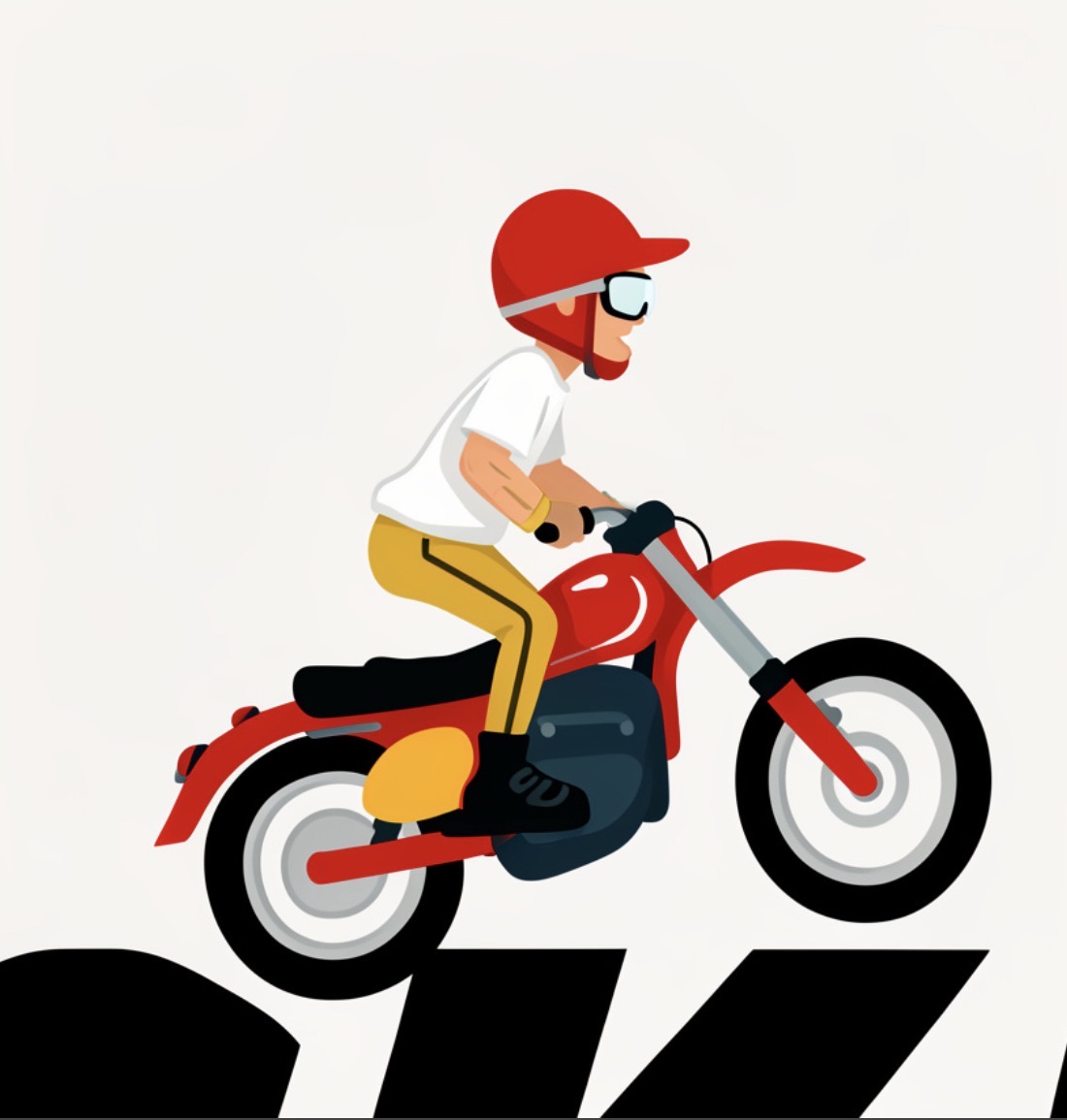
Kick Start was a British television motorcycle trials competition that aired on BBC One between 1979 and 1992. Produced by BBC Birmingham, the programme became one of the most recognisable and influential niche sports shows of its era, introducing millions of viewers to the discipline of motorcycle trials in an entertaining and accessible format.
Unlike traditional motor racing programmes focused on speed, Kick Start highlighted control, precision, and balance. Riders competed on specially designed obstacle courses, navigating logs, rocks, steep inclines, water hazards, and man-made structures against the clock. Penalties were added for mistakes such as putting a foot down or touching obstacles.
The show was originally hosted by Dave Lee Travis before being taken over by Peter Purves, who presented the programme for the majority of its run.
A Unique Format That Made Trials Riding Mainstream
At its core, Kick Start was a timed trials competition. Riders used lightweight off-road motorcycles to complete courses filled with technical challenges. Obstacles often included:
- Wooden logs and beam sections requiring precise balance
- Steep hills and artificial banking
- Water troughs and muddy trenches
- Old vehicles, most famously cars such as Volkswagen Beetles
- The well-known “bunny hop” sections designed to test control
What made the programme distinctive was its combination of sporting skill and light entertainment. It was filmed outdoors in summer blocks and presented in a way that made complex motorcycle technique understandable to a family audience.
Junior Kick Start and the Rise of Young Talent
Due to the popularity of the main programme, a junior version titled Junior Kick Start was introduced in the early 1980s. This version featured younger riders and ran alongside the main series until the early 1990s.
Junior Kick Start played an important role in encouraging participation in the sport. It demonstrated that motorcycle trials were not limited to adults or professionals, but accessible to younger riders with practice and discipline.
Many well-known figures in the trials world, including future champions such as Dougie Lampkin, were associated with the wider culture of televised trials competition that Kick Start helped popularise.
Cultural Impact and Lasting Influence
Although Kick Start was never a mainstream primetime entertainment show, it achieved strong seasonal viewing figures and built a loyal audience. It became a familiar part of British summer television schedules during its run.
Its cultural impact can be seen in several areas:
- It introduced motorcycle trials to a wide public audience for the first time on television
- It inspired many young viewers to take up riding off-road motorcycles or join local trials clubs
- It contributed to the growth of youth participation in trials sport across the UK
- It led to related media, including the Kikstart computer game released in the 1980s
For many riders and fans, the programme was their first exposure to the discipline and often acted as a gateway into motorcycling more generally.
Presentation and Style
Peter Purves became closely associated with the programme during its peak years. His commentary style balanced enthusiasm with clear explanation of what riders were attempting, helping viewers understand the difficulty of each obstacle.
The show also became known for its occasional moments of unintended humour, often when riders or helpers fell into water or mud during course attempts. These unscripted incidents contributed to its light-hearted reputation while still respecting the skill of the competitors.
Why Kick Start Still Matters Today
Although the programme ended in 1992, its legacy remains visible in modern motorcycle trials culture. The sport has continued to grow, but many of its core ideas – precision riding, technical skill, and obstacle-based competition – were popularised in part through televised exposure provided by Kick Start.
Today, clips of the show continue to circulate among enthusiasts, and it is frequently remembered as one of the most influential motorsport programmes ever broadcast on British television.
Its enduring appeal lies in its simplicity: riders, machines, and obstacles, with success determined by control rather than speed.
Final Thoughts
As a child of the 1970s, Kick Start was more than just a television game show. It opened the door to a sport I had never come across before, and I’m fairly certain it helped inspire a generation to take up motorcycle trials, or simply to get into motorcycling.
By blending sport, skill and accessible entertainment, it created a lasting legacy that still resonates within motorcycling communities today.
Ask anyone in their late 40s or early 50s about Kick Start, and there’s a good chance they can still hum the theme tune.

Leave a Reply