
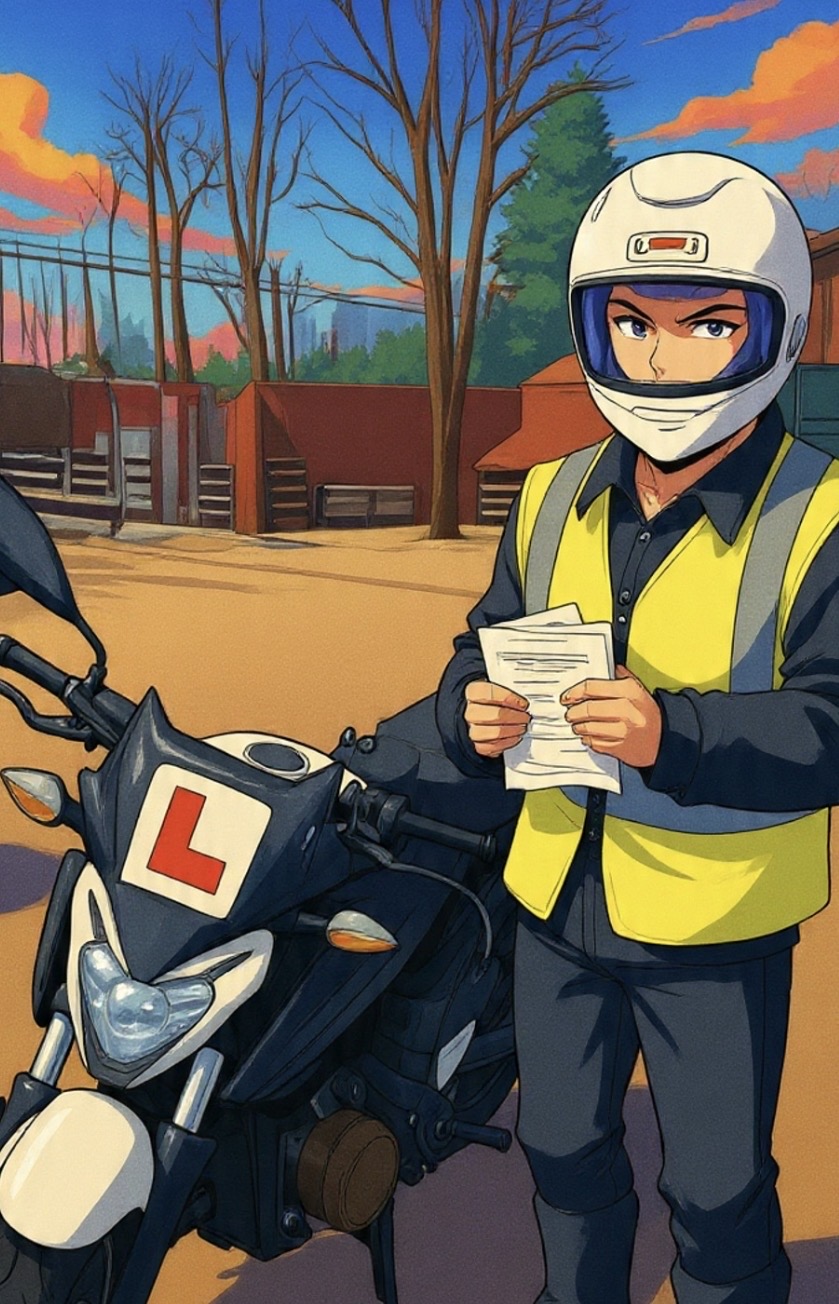
Starting out on a motorcycle is exciting, but it also demands focus, discipline, and a willingness to learn. Building good habits early will make you a safer and more confident rider over time. The following guidance is based on widely accepted riding practices and safety principles.
1. Build Confidence in a Controlled Environment
Before riding in traffic, spend time practising in a quiet space such as an empty car park. Work on clutch control, smooth braking, and low-speed manoeuvres. Developing these skills away from pressure allows you to react more naturally when conditions become more demanding.
2. Wear Proper Protective Gear
Protective clothing is not optional. A properly fitted helmet, gloves, jacket, trousers, and sturdy boots significantly reduce the risk of serious injury. In the UK, helmets must meet recognised safety standards, and wearing one is a legal requirement.
3. Use Both Brakes Correctly
Motorcycles rely heavily on the front brake for stopping power, while the rear brake provides balance and stability. Applying both brakes smoothly and progressively is key. Sudden or excessive braking, particularly with the front brake, can lead to loss of control.
4. Keep Your Vision Ahead
Where you look has a direct impact on how you ride. Keep your eyes focused ahead and look through bends rather than directly at hazards. This helps maintain balance and improves your ability to anticipate changes in the road.
5. Ride Defensively
Always assume that other road users may not see you. Maintain a safe distance, avoid lingering in blind spots, and approach junctions with caution. Defensive riding reduces the likelihood of being caught out by unpredictable behaviour from others.
6. Maintain Smooth Throttle Control
Sudden throttle inputs can unsettle the motorcycle, especially in corners. Apply acceleration steadily and predictably. Smooth control improves stability and makes your riding more controlled overall.
7. Understand Counter-steering
At moderate to higher speeds, motorcycles turn using countersteering. This means applying gentle pressure to the handlebar in the direction you want to turn. While it may feel unfamiliar at first, it is a fundamental technique for safe cornering.
8. Adjust Your Speed to Conditions
Speed should always reflect the conditions around you. Wet roads, poor visibility, and heavy traffic all require a more cautious approach. Riding within your limits gives you more time to react and reduces risk.
9. Stay Relaxed on the Bike
Tension can negatively affect your control. Keep a light grip on the handlebars and allow the motorcycle to move naturally beneath you. A relaxed posture improves balance and reduces fatigue on longer rides.
10. Commit to Ongoing Learning
Riding is a skill that develops over time. Consider taking additional training courses and continue practising regularly. Even experienced riders benefit from refining their technique and staying aware of best practices.
Final Thoughts
Motorcycling offers a unique sense of freedom, but it also comes with real responsibility. By focusing on control, awareness, and continual improvement, you can build a solid foundation for safe and enjoyable riding. At the same time, it is important to recognise common beginner mistakes – such as pushing beyond your ability, overlooking basic maintenance, or becoming overconfident too quickly – so you can avoid them and progress with confidence.
DISCLAIMER
The information provided in this article is for general guidance and informational purposes only. While every effort has been made to ensure accuracy, it should not be considered a substitute for professional training, official guidance, or manufacturer recommendations. Motorcycling carries inherent risks, and readers are responsible for their own safety, decisions, and actions. Always follow local laws and regulations, wear appropriate protective gear, and seek qualified instruction where necessary. The author and website accept no liability for any loss, injury, or damage arising from the use or reliance on the information provided in this content.

Leave a Reply