
Wind noise is one of those things every rider accepts – right up until it starts to become a problem. It’s not just about comfort; prolonged exposure can contribute to hearing damage over time. After plenty of trial and error, I realised that the type of ear protection you use makes a bigger difference than you might expect.
My Experience with Foam Earplugs
Like many riders, I started with standard foam earplugs. They’re cheap, easy to find, and do reduce noise. The issue is how they do it.

Foam plugs tend to block a wide range of frequencies indiscriminately, which creates a few drawbacks on the road.
Wind noise is reduced, but so is everything else. Music becomes flat, spoken directions lose clarity, and intercom conversations are harder to follow. I found myself constantly adjusting volume or removing them altogether on shorter rides, which defeats the point.
After trying several brands and fits, it became clear that while foam plugs offer basic protection, they’re not ideal for modern riding where communication systems are part of the experience.
Moving to Filtered Earplugs

The switch to filtered earplugs made an immediate difference. Instead of simply blocking sound, they reduce harmful noise levels while still allowing certain frequencies through. In practical terms, that means less wind roar without losing the ability to hear what matters.
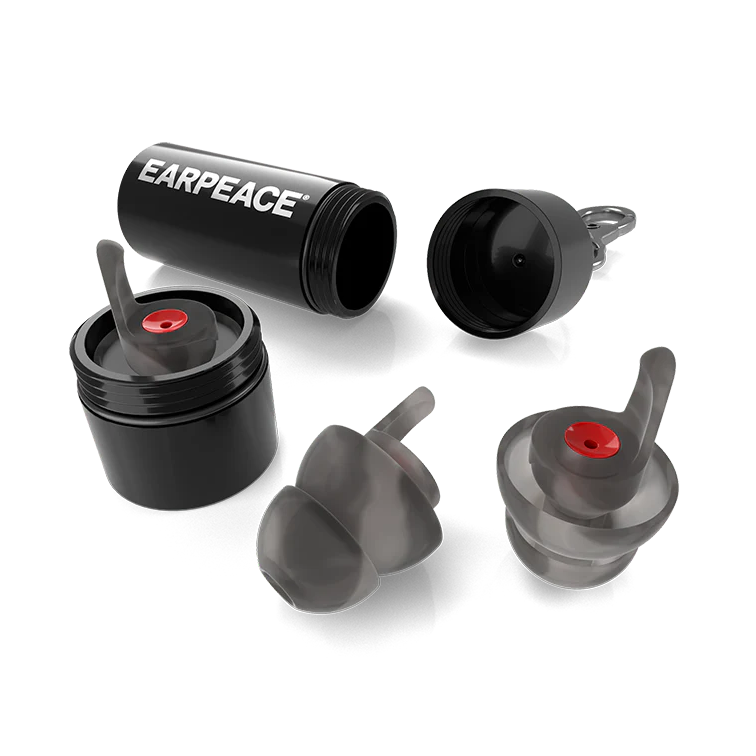
I settled on a brand called EarPeace after some research and personal recommendations. Their motorcycle-specific plugs are designed with interchangeable filters that aim to balance protection and clarity.
What Actually Improved
The biggest change was how natural everything sounded. Wind noise dropped significantly, but I could still hear my Cardo system clearly. Speech over intercom became much easier to understand, although I rarely listen to music when I ride, when I did have it on, the music retained far more detail than it ever did with foam plugs.
There’s also a noticeable reduction in fatigue on longer rides. Constant noise takes more out of you than you realise, and cutting that down without feeling isolated makes a real difference over a full day in the saddle.
EarPeace MOTO vs MOTO Pro: Key Features Explained
When choosing motorcycle earplugs, the differences between models often come down to fit, comfort and how they manage sound. EarPeace offers two options aimed specifically at riders: the MOTO (original) and the MOTO Pro. While they share the same core purpose, there are some important distinctions.
EarPeace MOTO (Original)
The standard MOTO earplugs are designed to strike a balance between noise reduction and everyday usability.
One of the main features is the use of interchangeable acoustic filters. These typically come in three different attenuation levels, allowing you to tailor how much noise is reduced depending on your riding conditions. The intention is to lower wind noise while still letting through important sounds such as traffic, navigation prompts and intercom audio.

The earplugs themselves use a double-flange design, which is a fairly traditional shape. This tends to suit a wide range of ear types and helps keep the profile low when worn under a helmet. In practice, that means less pressure and fewer hotspots on longer rides.
They are made from soft, medical-grade silicone, which is both reusable and comfortable over extended periods.
They are made from soft, medical-grade silicone, which is both reusable and comfortable over extended periods. Most kits include more than one size option, helping riders find a better fit straight out of the box. A compact carry case is also included, making them easy to store and transport.
Overall, the MOTO version focuses on flexibility, comfort and a discreet fit.
EarPeace MOTO Pro
The MOTO Pro model takes a slightly different approach, with more emphasis on achieving a tighter seal.
Instead of the classic double-flange shape, these use a more contoured design intended to follow the natural shape of the ear canal more closely. The idea is to create a more secure fit, which can improve consistency in noise reduction.

Instead of the classic double-flange shape, these use a more contoured design intended to follow the natural shape of the ear canal more closely. The idea is to create a more secure fit, which can improve consistency in noise reduction.
Like the original version, the MOTO Pro uses acoustic filtering rather than simply blocking sound. This helps reduce harmful noise levels while maintaining clarity for speech and audio from communication systems.
The materials remain reusable and designed for repeated use, but the overall structure is a little more substantial. Some riders may find this gives a more “locked-in” feel, while others may notice the slightly larger size when worn under a helmet.
In short, the Pro version is aimed at riders who prefer a firmer, more sealed fit.
Why Fit Should Be Your Priority
No matter how good the design is, earplugs only work properly if they fit well. A poor fit can reduce their effectiveness, cause discomfort, and ultimately lead to inconsistent use.
Everyone’s ears are different, so what works for one rider might not work for another. That said, finding a set that balances comfort with proper noise reduction is worth the effort.
Having tried both verions of the EarPeace ear plugs, I personally go for the original Moto EarPeace version as they seem to fit me much better.
Other Options
There are plenty of solid alternatives to EarPeace, and the right choice really depends on what matters most to you – comfort and fit, overall noise reduction, or how well they work with comms systems.
Most motorcycle earplugs fall into three main types. Foam plugs offer the highest level of noise blocking but tend to muffle everything, including speech and intercom audio. Filtered earplugs are designed to reduce harmful wind noise while still letting through useful sounds like traffic and navigation prompts, making them a more balanced option . Then there are custom-moulded plugs, which are made to fit your ears precisely and usually provide the best long-term comfort, but at a higher cost.

Final Thoughts
Switching from foam earplugs turned out to be a far more worthwhile upgrade than expected. The reduction in wind noise, combined with clearer audio and improved comfort, makes filtered earplugs a much better fit for regular riding.
If you rely on a communication system or spend a lot of time at speed, the difference is even more apparent. You’re not forced to sacrifice clarity just to protect your hearing, which makes longer rides far more enjoyable.
As with any ear protection, fit is what really matters. If they sit properly and stay comfortable over time, you’re far more likely to use them consistently – and that’s what makes the real difference on the road.
Disclaimer: This blog is not sponsored, endorsed, or affiliated with EarPeace. All products mentioned were purchased personally by the author, and no items were provided free of charge. The opinions and experiences shared are entirely personal and based on real-world usage.

Leave a Reply