Motorcycles are often seen as the cheaper alternative to cars. Lower purchase price, better fuel economy, and simpler mechanics all contribute to that perception. While there is truth in it, the full picture is more nuanced.
Having ridden and owned a wide range of bikes – from smaller capacity machines through to larger adventure and touring bikes – and running more than one at a time, it becomes clear that the real cost of motorcycling goes beyond the obvious.
This is not about discouraging anyone from riding. It is about understanding the reality of ownership so there are no surprises along the way.

£££
Insurance Isn’t Always Cheap
Insurance is one of the first ongoing costs riders encounter, and it varies significantly.
Factors such as location, riding history, the type of motorcycle, engine size, and any modifications all influence the price. For some riders, particularly those newer to motorcycling, premiums can obviously be higher than expected.
Multi-bike policies can make managing several motorcycles easier, but they are not always the cheapest option. They offer convenience rather than guaranteed savings.
The key point is simple: never assume insurance will be low. It’s always worth checking costs before committing to a bike. It’s also worth comparing different insurers, as some may initially refuse cover or not list certain bikes properly. There can also be significant variation between insurers for the same rider and the same bike.
Tyres Wear Faster Than You Expect
Tyres are one of the most commonly overlooked expenses.
Motorcycle tyres, especially on larger or more performance-focused machines, tend to wear more quickly than car tyres. Rear tyres in particular can need replacing relatively often depending on riding style and mileage.

A rider who commutes during the week and rides at weekends will likely go through tyres far more quickly than anticipated. Quality tyres are essential for safety and performance, but they come at a cost.
It is best to treat tyres as a regular expense rather than an occasional one.
Motorcycle tyre costs can vary quite a bit depending on the type of bike, the brand, and how the tyres are used, but they’re a major ongoing expense that riders often underestimate.
For a typical road motorcycle, you’re generally looking at around £80–£150 for a front tyre and £100–£250 for a rear tyre. High-performance bikes, touring tyres, or specialist compounds can push that even higher, sometimes £300+ for a single rear tyre. Premium brands like Michelin, Pirelli, and Bridgestone tend to sit at the upper end of the price range.
Beyond just buying the tyres, fitting costs add another layer. Most garages in the UK charge roughly £20–£40 per wheel for fitting and balancing if the wheels are already off the bike, but it can be more if removal/refitting is included. Some dealers bundle this into a full service, while others charge separately.
The type of riding makes a big difference to how often you’ll need to replace them. Riding style has a huge impact too. Hard acceleration, heavy braking, and fast cornering can dramatically reduce lifespan. Even tyre pressure plays a role – underinflated tyres wear out faster and unevenly.
So while the upfront cost might seem manageable, it’s worth thinking of tyres as a recurring running cost. On some bikes, especially performance machines, they can end up costing hundreds of pounds per year depending on mileage and use.
Riding Gear Is an Ongoing Investment
Many riders start out expecting to buy their gear once and be done with it. In reality, motorcycle gear tends to be something that evolves gradually as experience, riding style, and needs change.
Helmets, for example, aren’t a lifetime purchase. Even if they haven’t been involved in an impact, most manufacturers recommend replacing them roughly every 5 years, as the internal materials degrade over time. Riders also often upgrade sooner for better ventilation, quieter shells, improved safety standards, or simply a better fit. A helmet that felt “fine” on day one may become uncomfortable after longer rides, which usually pushes riders toward higher-quality replacements.

Clothing follows a similar pattern. Jackets, trousers, and gloves wear out in high-stress areas like seams, palms, elbows, and knees, especially with frequent use. Weatherproofing also degrades over time – waterproof membranes stop performing as well after repeated wet rides and washing. As a result, many riders end up with multiple layers or separate setups for different seasons rather than relying on a single “all-year” outfit.
It’s also common for riders to build up a layered system rather than a single kit. For example:
- A light, ventilated summer jacket
- A heavier waterproof or thermal winter jacket
- Separate summer and winter gloves
- Base layers for temperature control
This shift usually happens after riders experience their first uncomfortable extremes – freezing winter commutes or sweaty summer rides – and realise one setup rarely covers all conditions well.
On top of core protective gear, there are a range of additional items that tend to accumulate over time. Communication systems like Bluetooth helmet intercoms, upgraded visors (tinted, photochromic, or Pinlock inserts for fog resistance), and waterproof over-suits are common additions.

As experience grows, many riders also become more selective about safety ratings, materials, and fit. That often leads to replacing “starter gear” with higher-end kit rather than simply wearing things out.
Overall, while investing in good-quality gear from the start is important, it’s rarely a one-time purchase. Most riders gradually refine their setup over years, building a collection of equipment tailored to different weather conditions, ride types, and levels of comfort and protection.
Maintenance Costs Vary More Than Expected
Routine maintenance is an unavoidable part of motorcycle ownership, and it typically includes essentials such as oil and filter changes, chain cleaning and adjustment, brake pad and fluid checks, tyre inspections, and general safety inspections. On the surface, these tasks can seem predictable, but the actual cost and frequency often vary more than new riders expect.

A major factor is the type of motorcycle. Smaller commuter bikes are generally cheaper to service, with simpler engines and more affordable parts. In contrast, larger performance or adventure bikes tend to require more expensive consumables, more labour-intensive servicing, and in some cases specialist tools or dealer-only diagnostics. Even something as routine as an oil change can range from relatively inexpensive on a small single-cylinder bike to significantly more on a high-capacity multi-cylinder machine.
How the bike is used also plays a big role. A commuter bike doing short, stop-start journeys in all weather will typically wear through consumables like brake pads, chains, and tyres much faster than a weekend-only bike. Cold starts, traffic congestion, and frequent short trips can also increase engine wear and accelerate servicing needs. On the other hand, long-distance touring may reduce some types of wear but increase others, such as tyre wear or chain stretch due to sustained loads.
Another key variable is whether maintenance is done personally or by a workshop. Doing basic tasks at home – like cleaning and lubricating a chain or changing oil – can significantly reduce running costs. However, anything involving diagnostics, valve clearances, suspension work, or brake system bleeding often requires specialist tools and experience, making workshop servicing the default for many riders. Labour rates alone can make a significant difference, especially at main dealers.
Unexpected repairs are also a normal part of ownership. Even well-maintained bikes eventually need replacement parts: chains and sprockets wear out, batteries degrade, brake discs eventually thin beyond service limits, and seals or bearings can begin to fail. These costs are not always evenly spread – some months or years may pass with only routine servicing, while others may bring multiple replacement items in quick succession.
Age and rarity of a motorcycle can further influence maintenance costs. Newer bikes may benefit from warranty coverage and readily available parts, but older or less common models can become more expensive to maintain due to sourcing difficulties or limited aftermarket support.
Because of all these variables, there is rarely a fixed monthly cost for motorcycle maintenance. Instead, spending tends to come in cycles: periods of minimal expense followed by bursts of higher costs when servicing, wear items, or repairs line up. This uneven pattern is one of the biggest surprises for new owners, as it makes budgeting less about a steady monthly figure and more about planning for fluctuations over time.
Fuel Still Adds Up
Motorcycles are generally more fuel-efficient than cars, but that doesn’t mean fuel costs are insignificant – especially at a time when prices at petrol station forecourts remain relatively high and can fluctuate sharply over short periods.
Even though most bikes achieve noticeably better miles per gallon than cars, fuel still becomes a regular and unavoidable expense. Daily commuting is usually where it adds up most consistently. A rider doing a 30–50 mile round trip each day will still be filling up regularly, and depending on tank size, that might mean refuelling every few days or at least once a week. Over a month, those small top-ups accumulate into a meaningful cost that is easy to underestimate when starting out.
Weekend riding and leisure trips also contribute more than many expect. It’s common for riders to assume that “occasional use” keeps fuel costs low, but longer rides – especially spirited riding on country roads – tend to reduce fuel economy compared to steady commuting. Acceleration, higher rev ranges, and frequent speed changes all increase consumption, even on otherwise efficient machines.
Engine size is another important factor. Smaller commuter bikes can return excellent fuel economy and keep costs low, but larger motorcycles – particularly performance, adventure, or touring models – often consume significantly more fuel. When ridden hard or loaded with luggage and a passenger, their consumption can approach levels that surprise new owners, especially when compared to the expectation that “all bikes are cheap to run.”
Riding style also has a direct impact. Smooth, steady riding can stretch a tank much further, while aggressive acceleration or high-speed motorway cruising can quickly reduce range. Weather conditions, traffic, and even tyre choice can subtly affect efficiency as well.
It’s also worth considering that modern fuel prices at petrol stations mean even a modest increase per litre can noticeably affect weekly riding costs. When prices rise, the difference is felt immediately because motorcycles are refuelled frequently due to smaller tank capacities compared to cars.
While motorcycles are still often cheaper to fuel than cars overall, fuel is far from a trivial expense. It is a consistent, ongoing cost that scales directly with usage, meaning the more you ride – whether commuting, touring, or riding for fun – the more it steadily contributes to the total cost of ownership.
Storage and Security
Security is an essential part of motorcycle ownership.
Depending on where the bike is kept, this may involve investing in quality locks, chains, covers, or even secure parking arrangements. In some cases, riders may need to consider garage rental or additional storage solutions.
These costs are sometimes overlooked at the beginning, but they are necessary for protecting the bike and providing peace of mind.

The Smaller Costs That Build Over Time
There are also a number of smaller, less obvious expenses that gradually add up.
Cleaning products, lubricants, tools, accessories, mounts, and everyday consumables all contribute to the overall cost of ownership. Individually they may seem minor, but over time they form a noticeable part of the total spend.
Owning More Than One Bike
Many riders eventually find that one motorcycle does not cover every need.
Different bikes suit different purposes. A practical commuter may not offer the same experience as a bike intended for longer journeys or leisure riding.
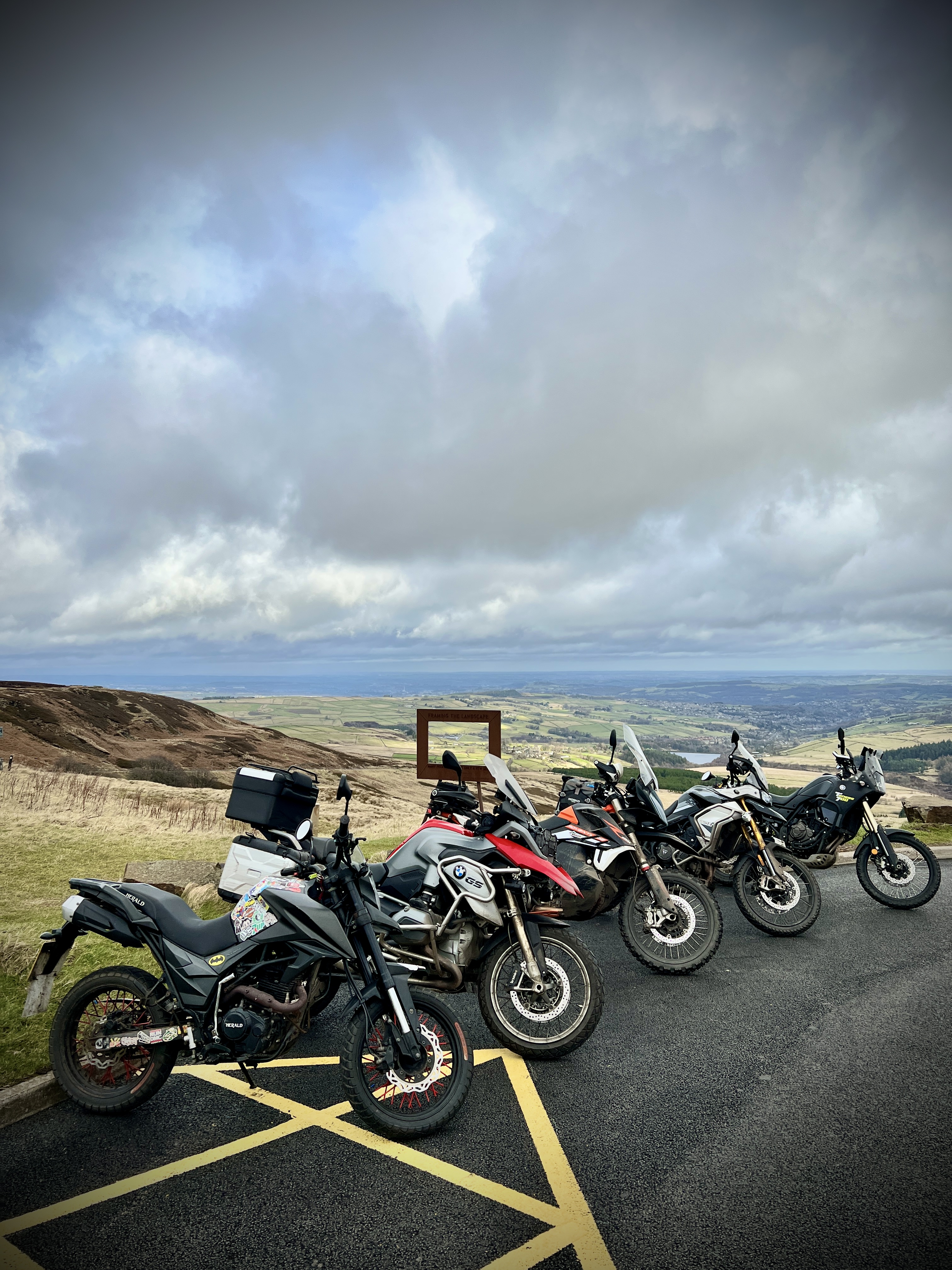
However, owning multiple bikes increases overall costs. Insurance, maintenance, and general upkeep all multiply. Even small expenses become more noticeable when spread across several machines.
It is a rewarding approach to motorcycling, but it does require some additional financial commitment.
Final Thoughts
Motorcycling can be a cost-effective way to travel, but only with a clear understanding of what ownership involves.
The less obvious costs – tyres, gear, maintenance, and security – are all part of the experience. They are not unexpected once you have spent time riding, but they are rarely highlighted at the beginning.
Ultimately, the more you ride, the more you will spend. At the same time, the more you ride, the more you get out of it.
For most riders, that balance makes the cost worthwhile.


Leave a Reply