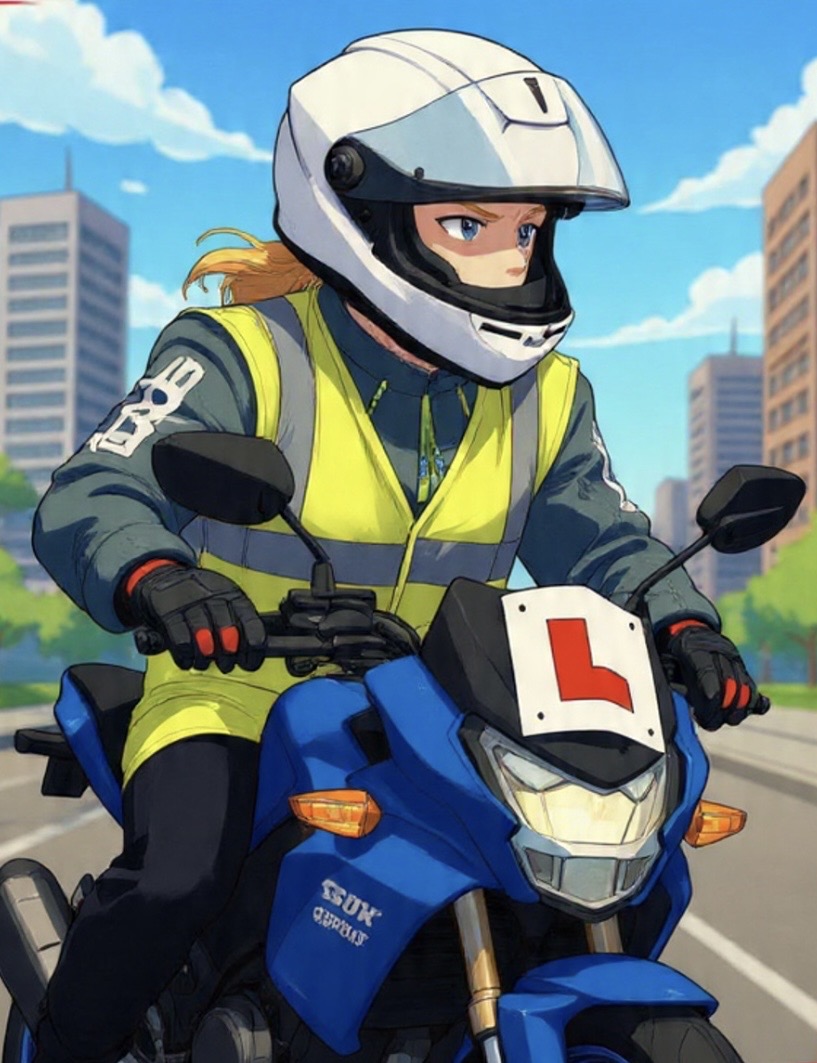

The profile of motorcycling in the UK is changing.
An ageing rider base now dominates, while far fewer young people are entering the market. Experienced riders continue to invest in larger machines and leisure riding, but the lack of new entrants raises a long-term concern for the industry.
Without consistent growth in younger riders, the market risks gradual decline over time.
Reaching a younger audience requires more than marketing adjustments. It calls for a wider rethink that addresses affordability, accessibility, product design, and how motorcycling fits into modern transport habits.
This blog explores some ideas for how the motorcycle industry can attract new riders.
Reducing the Cost of Entry
For many younger people, cost is the most significant barrier. Purchasing a motorcycle is only part of the expense. Insurance, training, security devices, clothing and safety equipment can quickly increase the overall financial commitment.
One way manufacturers can respond is by introducing more flexible ownership models. Subscription-based approaches, where riders pay a single monthly fee covering the bike and maintenance, could lower the initial barrier to entry. This reflects how younger consumers already access other goods and services.
Entry-level motorcycles should also remain genuinely affordable. Smaller bikes need to be positioned as practical and well-designed options in their own right, rather than as temporary stepping stones.
Simplifying the Route into Riding
The UK licensing system is structured and safety-focused, but it can appear complicated to those new to motorcycling. The multiple stages involved may discourage potential riders before they begin, as will the costs to obtain a full UK motorcycle licence – especially if they need to obtain a care licence too.
Manufacturers can play a supporting role by working with training providers to make the process clearer and more accessible. Offering structured guidance, along with incentives such as discounted training or bundled packages, could make a meaningful difference to new entrants.
Designing for Urban Use
Younger riders are more likely to live in towns and cities, where practicality is essential. Motorcycles that suit urban environments are more likely to be considered than those designed purely for performance or leisure.
This means focusing on:
- Lightweight and easy-to-handle machines
- Low running and maintenance costs
- Practical features for daily commuting
- Good manoeuvrability in traffic
A motorcycle that fits naturally into everyday life is more likely to become a regular choice of transport.
The Role of Electric Motorcycles
Electric motorcycles are often viewed as part of the future of the industry, but their adoption remains relatively limited. Cost, range, and practicality continue to be key challenges.
For electric models to appeal to younger riders, they need to be designed with everyday use in mind. Removable batteries, sufficient range for urban travel, and competitive pricing are important factors. Integration with digital tools, such as apps for navigation and battery monitoring, can also enhance usability.
Positioning electric motorcycles as practical transport rather than premium alternatives may help broaden their appeal.
Changing Perceptions of Motorcycling
Motorcycling is still associated with certain perceptions, including risk and exclusivity. These views can discourage people who might otherwise consider riding.
Manufacturers can help address this by presenting a more inclusive and realistic image. Highlighting a broader range of riders, focusing on everyday use, and avoiding an overemphasis on extreme performance can make motorcycling feel more accessible.
Building a Sense of Community
Younger generations tend to value shared experiences and social connection. Motorcycling is not only about the vehicle but also the community that surrounds it.
Manufacturers can support this by creating opportunities for riders to connect. Organised events, group rides, and digital platforms can all contribute to a stronger sense of belonging. A positive community experience can play a key role in retaining new riders.
Integrating Technology
Technology is now an expected part of everyday life, and motorcycling is no exception. Features such as smartphone connectivity, navigation, and ride data are becoming increasingly important.
Safety-related technology can also help build confidence, particularly for newer riders. These systems should be integrated in a way that feels natural and intuitive, rather than as additional extras.
Addressing Safety Concerns
Safety remains one of the most significant barriers for potential riders. Motorcycling is often perceived as more risky than other forms of transport, which can deter new entrants.
Manufacturers can support safety by combining advanced technology with access to proper training and safety gear. Presenting motorcycling as a skill that can be learned and managed responsibly may help shift perceptions and build confidence.
Encouraging Long-Term Engagement
Many riders begin with smaller motorcycles, often for commuting or work purposes. This creates an opportunity to build long-term relationships with customers.
By offering a clear progression pathway, manufacturers can encourage riders to move from entry-level bikes to more advanced models over time. Supporting this journey helps convert first-time users into long-term riders.
Final thoughts – Looking Ahead
Attracting younger riders will require coordinated changes across the industry. Reducing barriers, improving accessibility, and aligning motorcycling with modern lifestyles are all essential.
Manufacturers that adapt to these shifts could be better positioned for the future. By making motorcycling more accessible, relevant, and connected, the industry can ensure it continues to appeal to the next generation of potential motorcyclists.
Let me know your thoughts in the comments below.


Leave a Reply