
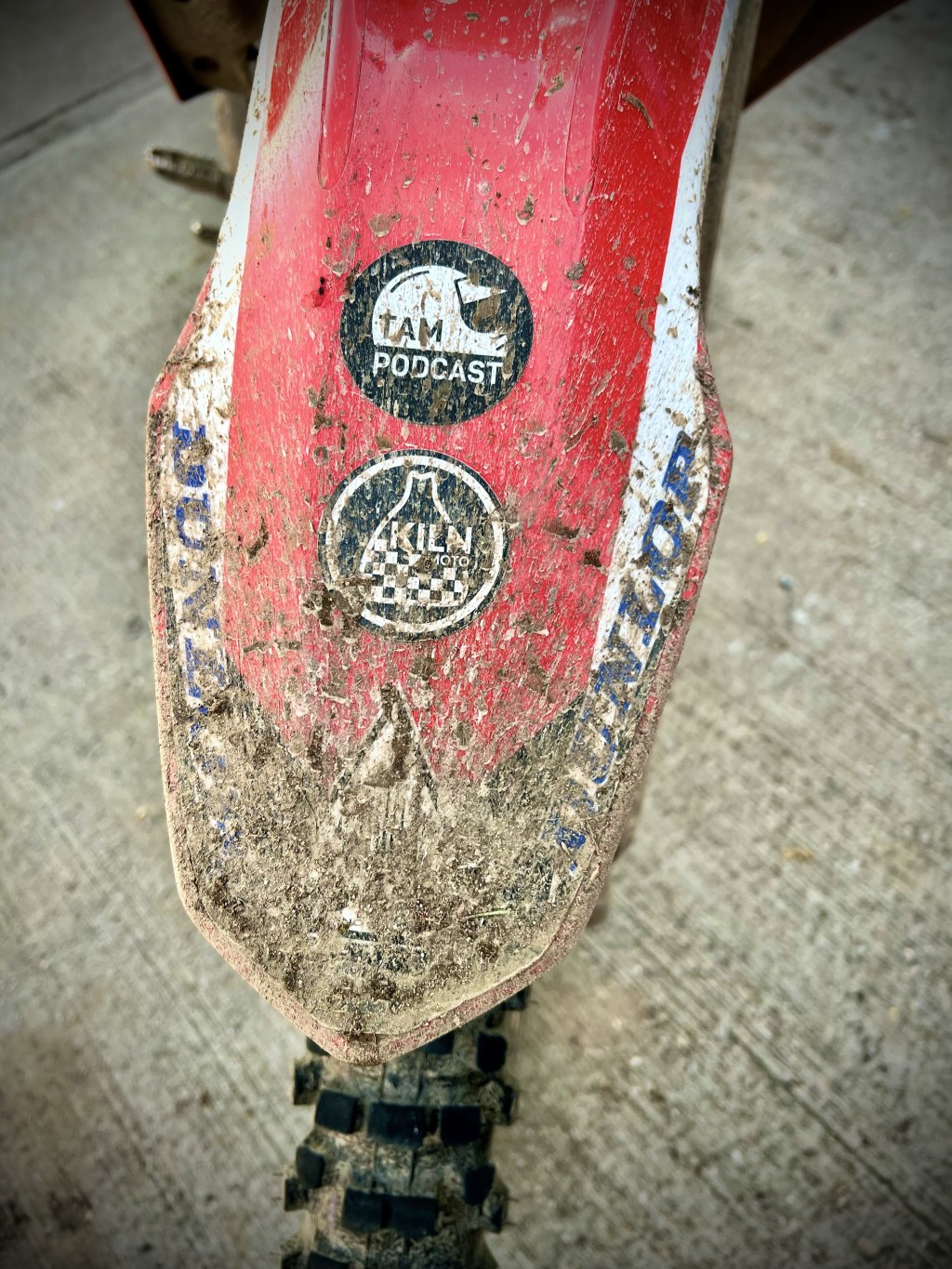
Motorcycles are exposed to conditions that most vehicles rarely experience. Rain, road spray, brake dust and winter salt all make direct contact with metal parts, fasteners, paintwork and electrical components. Over time, that constant exposure can lead to corrosion, dull finishes and unnecessary wear.
Regular, careful washing is the first line of defence. Removing dirt and contaminants stops them from sitting on surfaces and causing damage. But as soon as the bike is back on the road, the cycle begins again. That’s why many riders add a protective barrier to reduce the impact of moisture and grime.
Two options that are often discussed are ACF-50 and ceramic coating. While they’re frequently compared, they’re designed for very different purposes and work in completely different ways.
That got me thinking. Before my next full clean and protection session, it felt like the right time to properly explore the options and understand how they differ. Rather than simply following habit, I wanted to know what each approach is designed to do, where it performs best and where it might have limitations.
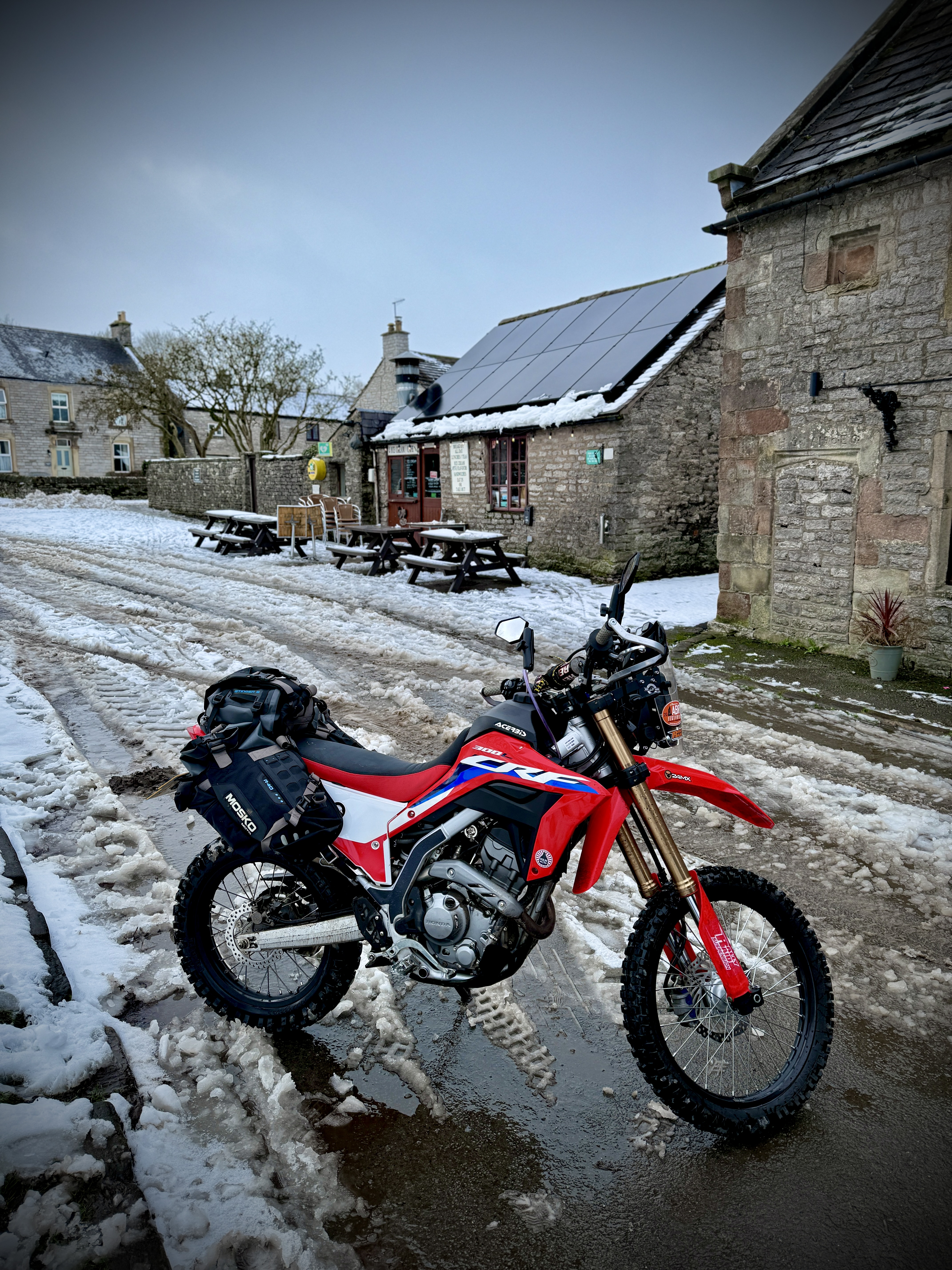
So I decided to test both ACF-50 and ceramic coating on my own bikes. My CRF300L is ridden year-round, so keeping it clean and protected has become routine rather than an occasional chore. ACF-50 has long been part of my winter prep, applied before the colder months and topped up when needed – one of those seasonal habits that now feels as natural as checking tyre pressures or changing the oil.
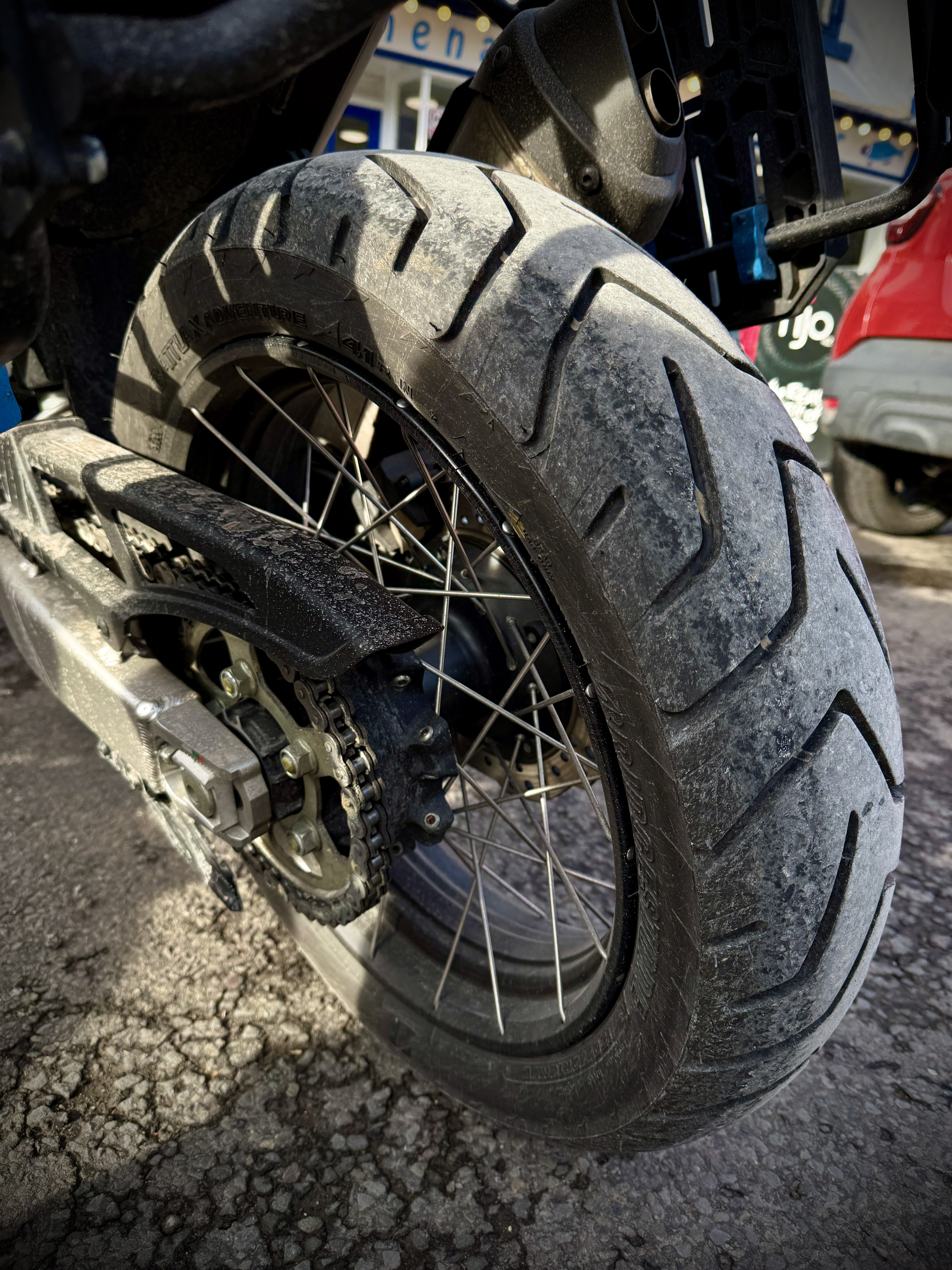
More recently, I bought an Africa Twin that I also plan to ride throughout the year. Because it’s a more expensive bike, I wanted to take protection even more seriously. This time, instead of using ACF-50, I chose a ceramic coating product and applied it myself.
Detailing is big business
I’ve been down the rabbit hole of motorcycle detailing and maintenance videos, where it quickly became clear that opinions vary widely on the best approach. Some riders remain firmly committed to traditional anti-corrosion treatments, while others strongly favour professional ceramic coatings as a more modern solution. The more I watched and read, the more obvious it became that the conversation around bike protection has evolved considerably in recent years.
Preparation Before Applying Any Protection
Regardless of the protection method, proper preparation is essential. Applying a protective layer over contamination can trap harmful particles against the surface, reducing effectiveness and potentially creating problems later.
A sensible preparation routine should include:
- A thorough pre-wash to loosen road grime
- A careful hand wash using suitable cleaning products
- Removal of tar spots and oily residue
- Iron fallout treatment to dissolve embedded brake dust
- Complete drying before applying any protective product
A lot of this work can be carried out at home, and there is now a huge range of products available to enthusiasts. That said, professional detailers have the equipment, experience and controlled environments needed to apply these products safely and correctly. If you are unsure, it can be worthwhile seeking professional help, although this does come at a cost. At the very least, take time to read the instructions carefully on all your cleaning products and watch the manufacturer’s guidance videos, as they are often an excellent source of practical advice before you begin.
Professional detailing services typically include paint correction to remove swirl marks and light scratches before any protection is applied. Whether you tackle the job yourself or leave it to the experts, thorough preparation is essential to ensure the protective layer bonds and performs as intended.
Understanding ACF-50
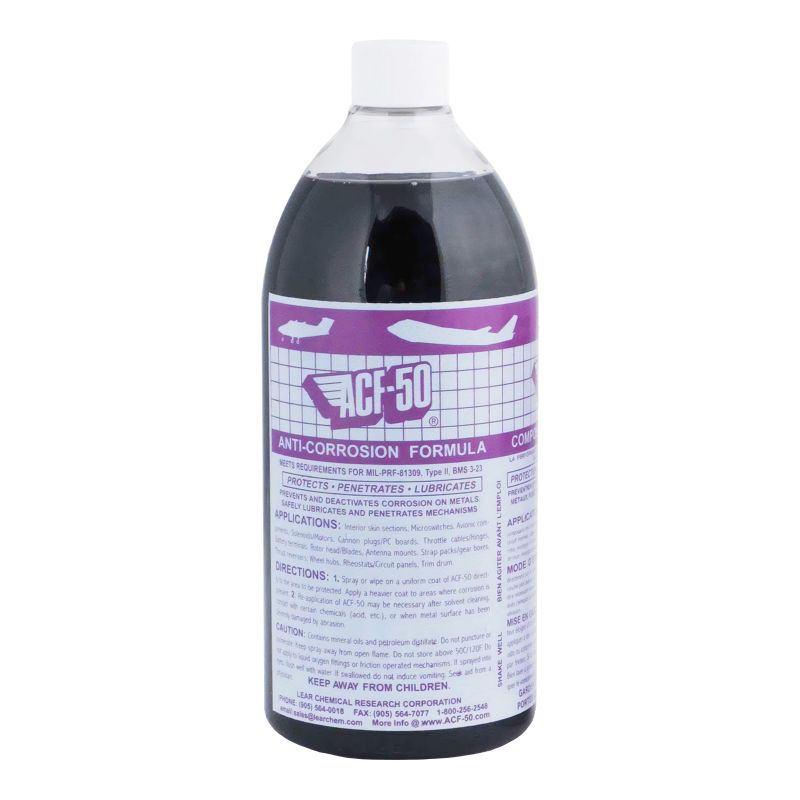
ACF-50 is an anti-corrosion treatment originally developed for use in aviation. Its primary purpose is to prevent oxidation on exposed metal surfaces and electrical components.
Rather than forming a hard coating, it leaves a thin film that spreads across surfaces and pushes out moisture. This film helps prevent the chemical reactions that cause corrosion.
Benefits of ACF-50
- Strong corrosion defence – ACF-50 is specifically designed to slow or prevent corrosion. It can be particularly useful on bolts, fasteners, frames and engine components.
- Ability to reach hidden areas – Because the product spreads and creeps into seams and gaps, it can protect areas that are difficult to coat using traditional surface treatments.
- Simple application – It can be applied at home without specialist equipment, making it accessible for routine seasonal protection.
- Well suited to year-round riding – Riders who regularly encounter wet conditions or road salt often use ACF-50 as part of their winter preparation routine.
Limitations of ACF-50
- Needs reapplication – The protective film gradually reduces over time and must be reapplied periodically.
- Can leave a residue – Surfaces may feel slightly oily after application – especially if too much product is used – which can attract additional contaminants and make it harder to remove the extra dirt and grime.
- Minimal visual enhancement – ACF-50 focuses on protection rather than improving the appearance of paintwork.
Understanding Ceramic Coating
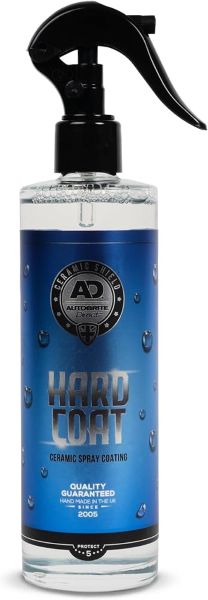
Ceramic coatings are liquid polymer treatments, that bond to paint and other surfaces after curing, to form a durable protective layer.
This layer creates a smooth, water-repellent finish that makes it harder for dirt and contaminants to stick.
Benefits of Ceramic Coating
- Long-term durability – A correctly applied coating can last several years when properly maintained.
- Easier cleaning – Water tends to bead and slide off coated surfaces, helping remove dirt during washing.
- Improved appearance – Paintwork often appears glossier and more reflective after coating.
- Resistance to environmental contamination – The coating helps protect against UV exposure, bird droppings and general road grime.
Limitations of Ceramic Coating
- Higher initial investment – The product tends to be expensive and professional application involves extensive preparation and skilled labour is adds significantly to the cost.
- Requires careful preparation – Surfaces must be fully cleaned and decontaminated before application to avoid sealing in imperfections.
- Limited reach – Ceramic coatings are mainly applied to visible surfaces and are not typically used on every exposed mechanical component.
- Ongoing maintenance still required – Although cleaning becomes easier, regular washing remains necessary. There are a range of Ceramic Top Up products on the market too.
Why Regular Washing Still Matters Even With Protection In Place
No protective product removes the need for regular cleaning. Dirt and salt left on the bike will continue to cause damage, even when protection is in place.
Gentle washing, careful drying and regular inspections are still essential parts of motorcycle care.
As a general rule, I like to rinse my bikes with a hose as soon as I get back from a winter ride to remove the bulk of grit and grime. That said, it’s no substitute for a proper wash and detailed clean, which I try to do within a day or so whenever the bike gets dirty – especially when salt is involved.
Final Thoughts
I’ll be keeping an eye on how the CRF and the Africa Twin perform through the rest of winter with their respective ACF-50 and ceramic coatings. Each represents a different approach to motorcycle protection: one aimed at shielding exposed metal and vulnerable components from corrosion, and the other focused on long-term surface protection and easier cleaning.
This blog grew out of that curiosity and research. Hopefully, it helps you understand how each method works and gives you a clearer idea of which approach might suit your riding habits, environment and maintenance preferences. That said, I’m not a professional detailer, so be sure to do your own research, take your time, and always follow the manufacturer’s recommendations when applying any products.


 KILN MOTO
Leave a comment