
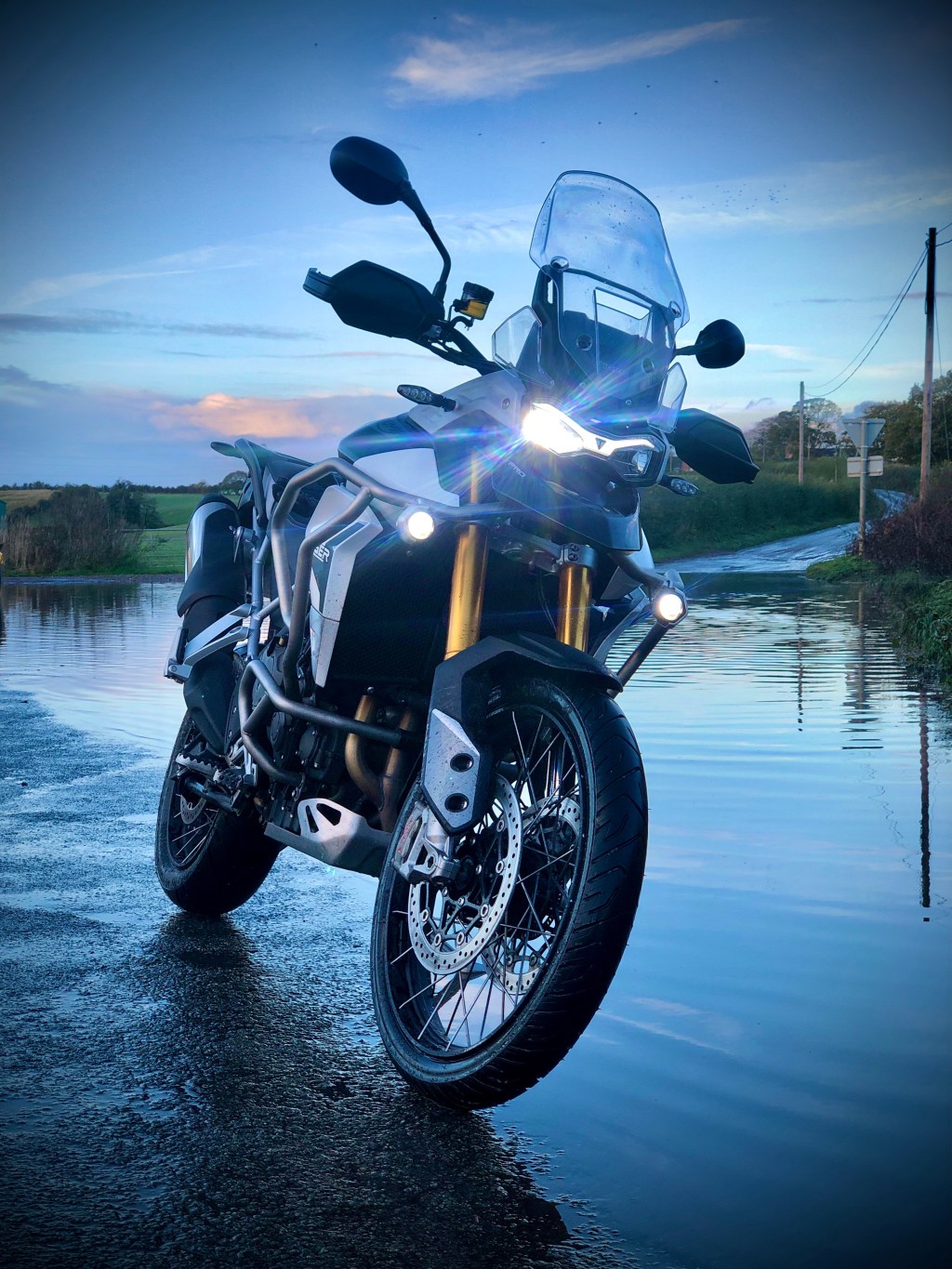
Stepping up to your first big bike is a milestone that feels exciting, but it can also be daunting. With more choice, more technology and more powerful machines now available, making the right decision on what big motorbike to buy takes more than impulse or appearance alone.
This 10-step guide is aimed at UK riders who are moving up from a smaller bike or returning to motorcycling after time away. Rather than focusing on specific models, it provides a practical checklist to help you choose a bike that suits your experience, riding needs and budget.
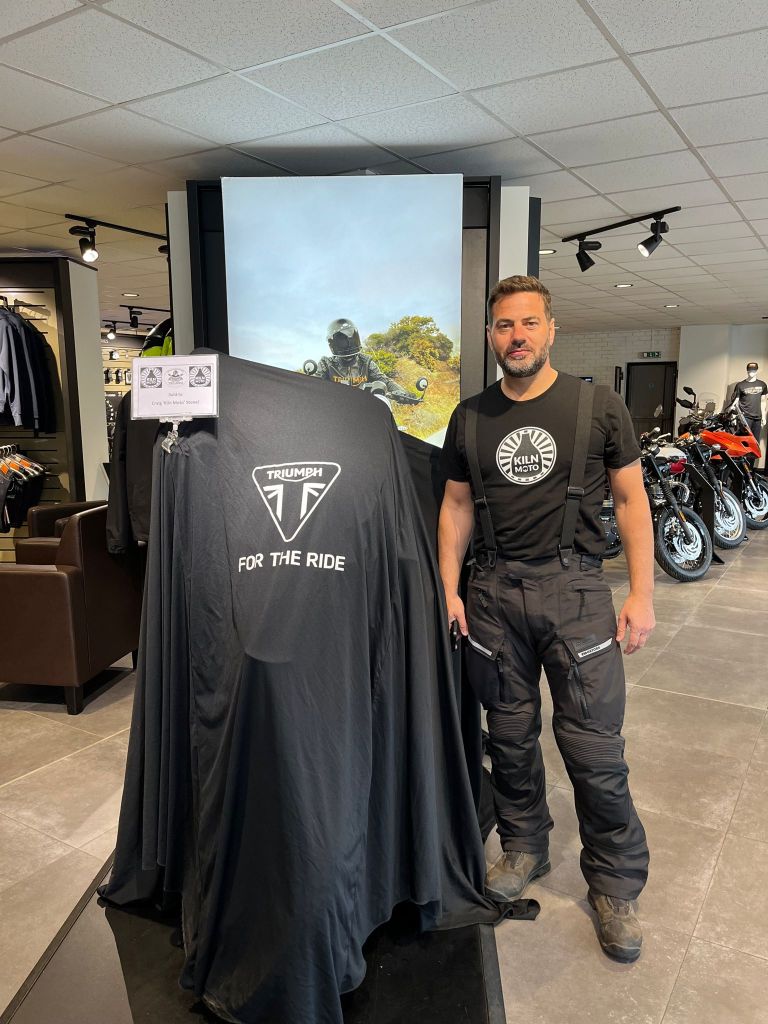
This advice comes from personal experience. After more than twenty years away from riding, I returned to motorcycling and worked my way back up to bigger bikes. Modern machines are far more advanced than those I remembered, and taking a measured approach helped me rebuild confidence and appreciate how much motorcycling has evolved.
CRAIG | KILN MOTO
Ten Steps to Choose Your First Big Bike
Click the quick links below to learn more:
- Be realistic about your riding experience
- Think carefully about how you will use the bike
- Choose an engine size and power level that suits you
- Pay attention to seat height and overall weight
- Understand modern rider aids
- Set a realistic budget for ownership
- Decide whether new or used is right for you
- Check insurance costs before you commit
- Test ride whenever possible
- Think beyond the first few months
1. Be realistic about your riding experience
Modern motorcycles deliver performance that would once have been considered extreme. While this makes them thrilling, it also means they demand respect.
Take an honest look at your experience so far. Consider how confident you feel riding in traffic, at motorway speeds and in unfamiliar conditions. Handling a heavier, more powerful machine at low speeds is also a key factor. Choosing a bike that matches your current skill level will help you progress faster and with greater confidence.
Training is vital for riding safely and getting the best out of your big bike. I’d highly recommend advanced rider training – I took this route through IAM and found it invaluable. You can read more about my experience in my advanced rider training blog post.
2. Think carefully about how you will use the bike
Before committing to any particular style or engine size, think about how you will actually ride.
Ask yourself whether the bike will be used for commuting, weekend rides, touring, or a mix of everything. Consider the types of roads you ride most often and whether you plan to carry luggage or a pillion. A bike that suits your real-world riding habits will always be more enjoyable than one chosen purely on looks.
3. Choose an engine size and power level that suits you
There is no single definition of a big bike, but stepping up usually means moving beyond learner-friendly machines.
Many riders find mid-capacity bikes offer an excellent balance of performance and control, providing enough power for confident overtaking without feeling overwhelming. Larger, more powerful bikes may look appealing, but can be harder to manage, more expensive to insure and costlier to run.
If you are restricted by licence conditions, ensure the bike is compliant or can be legally restricted.
4. Pay attention to seat height and overall weight
A bike that feels manageable on the road can still be intimidating at standstill. Seat height, weight distribution and balance all play a major role in how confident you feel.
Make sure you can reach the ground comfortably and move the bike around without strain. Lifting it off the stand and pushing it backwards should not feel like a struggle. Comfort and confidence at low speeds are just as important as performance.
5. Understand modern rider aids
Many big bikes now come equipped with advanced electronics designed to support the rider.
Features such as traction control, riding modes and advanced ABS can make a noticeable difference, especially when riding in poor conditions. These systems do not replace good riding technique, but adjustable rider aids can provide reassurance as you build experience.
6. Set a realistic budget for ownership
The purchase price of the bike is only part of the cost. Running a big bike involves ongoing expenses that should be factored in from the start.
Insurance, servicing, tyres, fuel and maintenance all add up, particularly on more powerful machines. It is better to choose a bike that fits comfortably within your budget rather than stretching your finances and worrying about costs later.
If you are returning to motorcycling after time away, it is important to budget for proper riding gear as well as the bike itself. Helmets, jackets, gloves, trousers and boots all represent a significant outlay, particularly if your existing kit is outdated or no longer fits. Quality protective clothing is an essential part of riding safely and is rarely inexpensive, so the cost should be included in your overall budget from the outset.
7. Decide whether new or used is right for you
Both new and used bikes have advantages. New bikes offer warranties and the latest technology, while used bikes often represent better value and slower depreciation.
For a first big bike, a well-maintained used example can be an excellent choice, allowing you to gain experience without the pressure of owning a brand-new machine. Always check service history and condition carefully before buying.
8. Check insurance costs before you commit
Insurance premiums can vary dramatically depending on the bike, your location and your riding history.
Before making a final decision, get insurance quotes for the exact models you are considering. Small differences in power, category or security features can have a big impact on annual costs.
9. Test ride whenever possible
A test ride is one of the most important steps in choosing your first big bike.
Pay attention to how the bike feels at low speed, how smoothly it accelerates, how comfortable the riding position is and whether it feels natural to control. Even a short ride can tell you a great deal about whether a bike is right for you.
10. Think beyond the first few months
Your first big bike does not need to be your last, but it should be one you can live with as your skills develop.
Consider whether the bike will still suit you as your confidence grows, whether it can adapt to different types of riding and whether parts and servicing are easy to access. A well-chosen bike will remain enjoyable long after the novelty wears off.
Final thoughts
Choosing your first big bike is about balance. Balancing excitement with control, performance with comfort and ambition with practicality.
By taking your time and working through this checklist, I hope it can support your chances of finding a bike that builds confidence, encourages regular riding and delivers long-term enjoyment on the road.
Let me know your thoughts in the comments below and feel free to share you own advice and tips on choosing a big bike.
Post date:


 KILN MOTO
Leave a comment