

As winter draws to a close, many UK riders start thinking about getting back on the bike. Whether your motorcycle has been laid up for months or only used occasionally during the colder weather, a proper seasonal check is essential before returning to regular riding.
Cold temperatures, damp conditions and inactivity can all affect a motorcycle. Spending some time on maintenance now helps avoid problems later and ensures your first rides of the year are safe and enjoyable.
Below you will find 10 essential tips to help you get your bike ready to ride after a long cold winter.
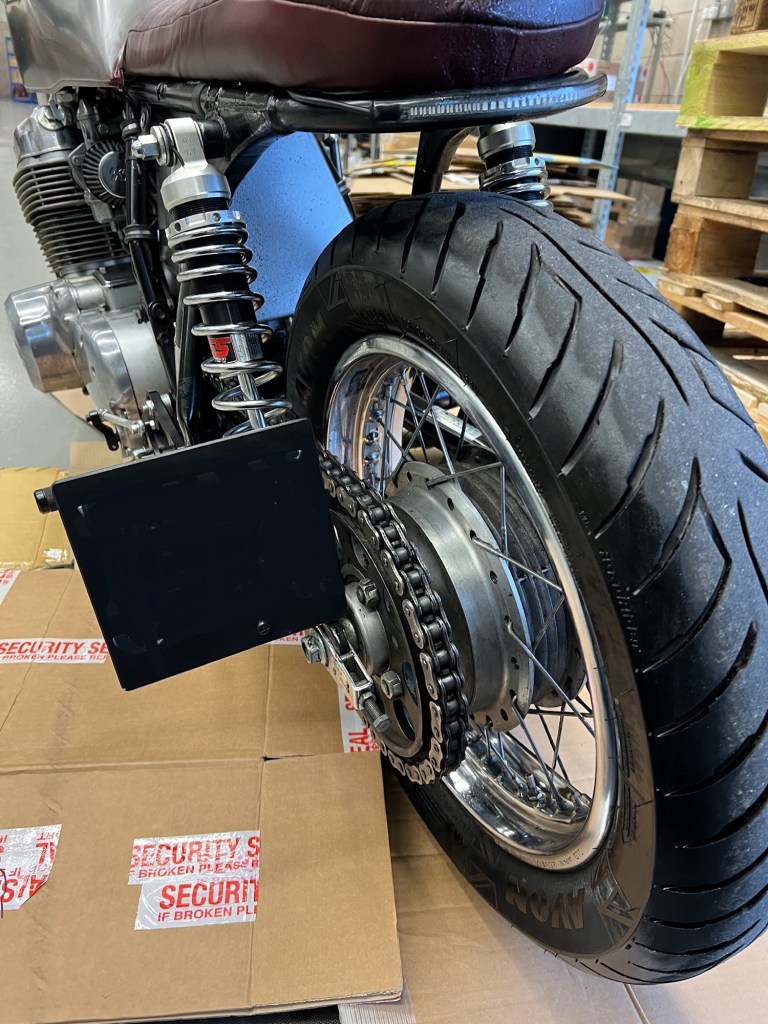
Tips for Getting Your Motorcycle Ready for the Road After Winter
1. Carry out a full visual check
Before you even start the engine, take a few minutes to look over the bike carefully. Winter storage can reveal issues that are easy to miss during regular use.
Look for signs of corrosion, fluid leaks, loose fasteners or perished rubber components. Pay close attention to hoses, cables and seals, as these can deteriorate when exposed to cold and moisture. Spotting small problems early can prevent bigger issues once you are back on the road.
2. Check the battery
Batteries often struggle after a long period of inactivity. Even if the bike starts initially, a weakened battery may fail once you begin riding more regularly. Check the battery’s condition and charge it fully if required.
Using a trickle charger or battery maintainer is a simple and effective way to restore charge gently and help prolong battery life, especially if the bike has been standing for several months. For future winters, keeping the battery connected to a trickle charger during storage can prevent discharge altogether and significantly extend its lifespan.
If the battery will not hold a charge, replacement may be the best option. Once powered up, test all lights, indicators, brake lights, and the horn to ensure everything is working as it should.
3. Check the Electrics – lights, horn and instruments
Test all electrical components before riding, as issues can develop while the bike sits over winter. Turn on the ignition and check the headlight on both low and high beam, making sure it’s bright and and correctly adjusted. Test the brake light using both the front brake lever and rear brake pedal, and confirm all turn signals flash correctly at a normal speed. Sound the horn to ensure it’s loud and responsive. Finally, check the instrument cluster for proper operation – speedometer, tachometer, warning lights, and indicators should all illuminate and function as expected. Replace any blown bulbs, address flickering lights, and investigate warning lights before heading out.
4. Inspect tyres and set correct pressures
Tyres lose pressure over time, particularly in cold weather, and under-inflation can seriously affect handling and braking.
Check tyre pressures against the manufacturer’s recommendations and inspect the tread for wear. Look closely for cracks, flat spots or signs of ageing, especially if the bike has been stationary for long periods. If tyres are nearing the legal limit or showing visible deterioration, replacing them before the season begins is a sensible decision.
5. Check and refresh fluids
Fluids are vital to the safe operation of your motorcycle and should always be checked before riding after winter.
Ensure engine oil is at the correct level and still in good condition. Check coolant where applicable, along with brake fluid levels. If the oil has been sitting for months or the bike is due a service, an oil and filter change is a good starting point.
6. Examine brakes and suspension
Braking systems and suspension components can be affected by moisture and corrosion during winter storage.
Inspect brake discs for surface rust and check pad thickness. Operate the brakes to ensure they feel firm and responsive. Bounce the suspension gently to confirm it moves smoothly without sticking or unusual noises. Any signs of leaks or stiffness should be addressed before heading out.
7. Clean the bike properly
A thorough clean is not just about appearance. Washing the bike removes winter grime and road salt, both of which can accelerate corrosion if left untreated.
Cleaning also makes it easier to spot damage, leaks or loose components. Once clean and dry, applying a protective spray to exposed metal parts can help keep corrosion at bay as riding resumes.
Remember the chain should also be cleaned, lubricated and adjusted to the correct tension before riding.
8. Check insurance, tax, servicing and MOT dates
Spring is one of the busiest times for motorcycle workshops, so it pays to plan ahead.
If your bike is due a service or MOT, book it early to avoid missing out on good riding weather. Even if it is not strictly due, a professional inspection can provide reassurance, particularly if the bike has been unused for a long period.
Remember to also check your tax and insurance are still valid.
9. Ease yourself back into riding
It’s not just the bike that needs attention after winter – riders can be a little out of practice too. Use your first few outings to reacquaint yourself with the controls, road awareness, and riding rhythm. Keep speeds moderate and allow extra space, as winter can leave roads dirty, damp, or uneven. Tyres may also need a few miles to regain full grip. Taking a calm, measured approach helps rebuild muscle memory, sharpen reactions, and restore confidence safely.
10. Enjoy your bike
Once you’re comfortable and confident again, it’s time to enjoy what all the preparation was for. Get out and appreciate the ride – the sound of the engine, the open road, and the freedom that comes with being back on two wheels. Whether it’s a short local trip or a longer ride out, remember that motorcycling isn’t just about checks and maintenance. It’s about the experience, the enjoyment, and reconnecting with why you bike.
Final thoughts
Preparing your motorcycle properly after winter is one of the best investments you can make at the start of the riding season. A methodical approach to checks and maintenance reduces the risk of breakdowns, improves safety and makes riding more enjoyable.
With a little time and care, you can start the season knowing your bike is ready and reliable, leaving you free to focus on enjoying the road ahead.


 KILN MOTO
Leave a comment