
Motorcycle homologation is one of those concepts that only makes sense because of racing, yet it gave us some of the most desirable road bikes ever produced. When I was in my late teens, these machines defined what a proper performance motorcycle looked like. They weren’t built for comfort or practicality – they existed purely because racing regulations required them.
Homologation rules forced manufacturers to produce a road-legal version of the motorcycles they intended to race. In the late 1980s and early 1990s, World Superbike and other championships demanded limited-production models that stayed as close to the race bikes as possible. The result was a generation of motorcycles that felt raw, uncompromising, and incredibly special.
Homologation Specials of the Late 80s and 90s
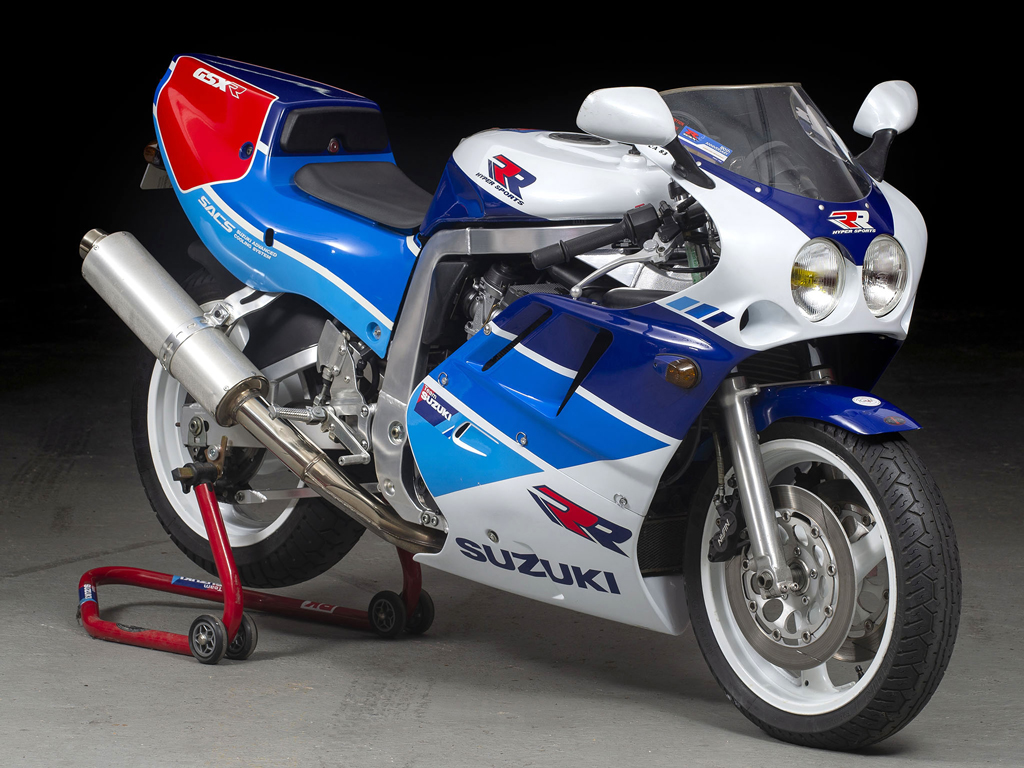
Suzuki GSX-R750RR
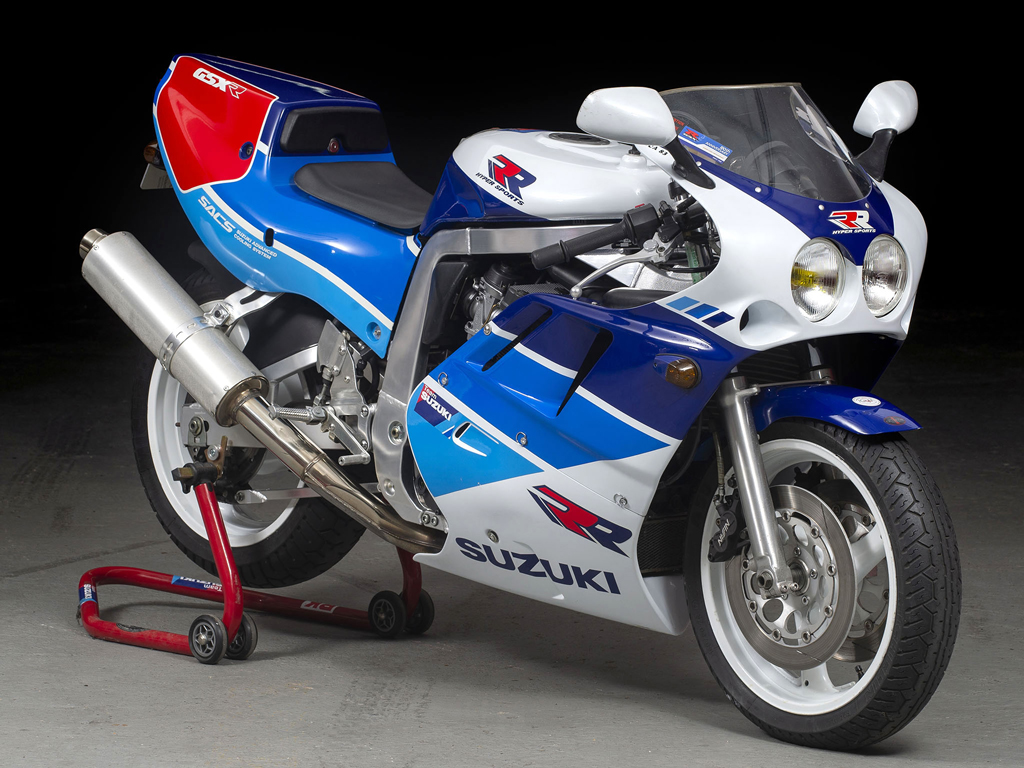
The Suzuki GSX-R750RR was one of the first bikes I became obsessed with. While the standard GSX-R750 was already light and fast, the RR variant was built in very small numbers to meet homologation rules. It featured race-specific components and rare engineering details that never appeared on mainstream models. Even today, it remains one of the least commonly seen GSX-Rs.
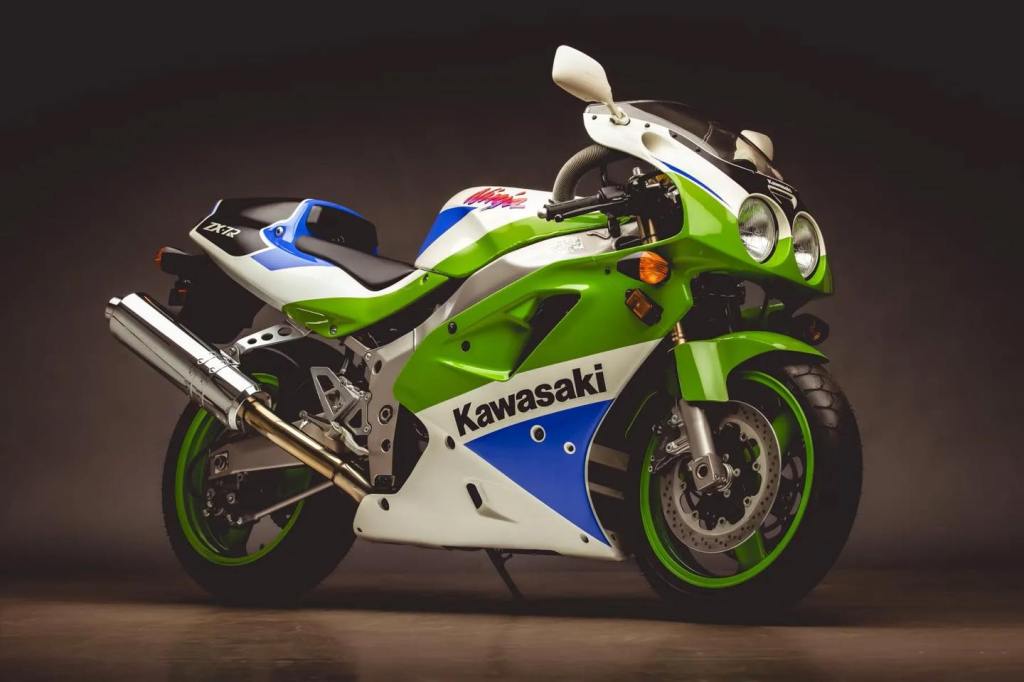
Kawasaki ZXR750RR
Kawasaki’s ZXR750RR took the already aggressive ZXR platform and honed it for racing eligibility. It wasn’t as exotic as some rivals but was uncompromising in its performance and reflected Kawasaki’s hard-edged superbike philosophy of the era.
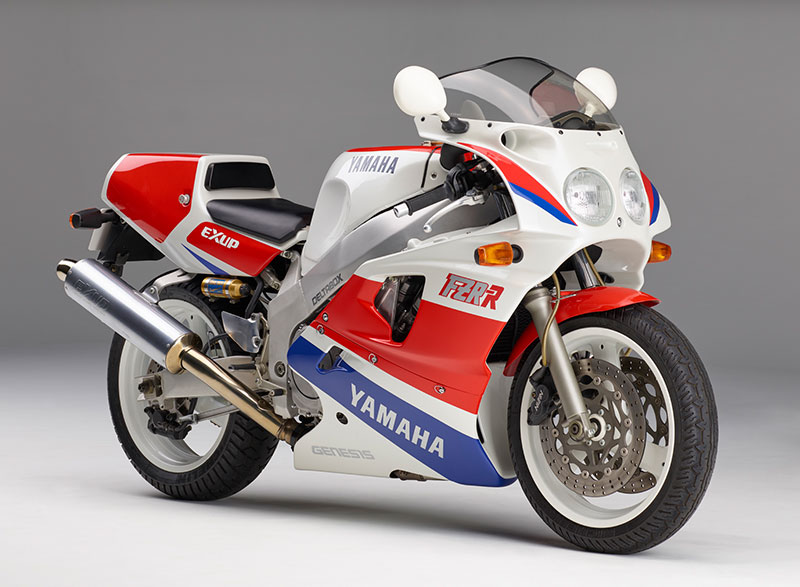
Yamaha FZR750R OW01
The FZR750R OW01 felt like a race bike reluctantly adapted for road use. Produced in limited numbers, it featured high-spec internal components and a chassis designed for racing rather than comfort, making it expensive and highly sought after.
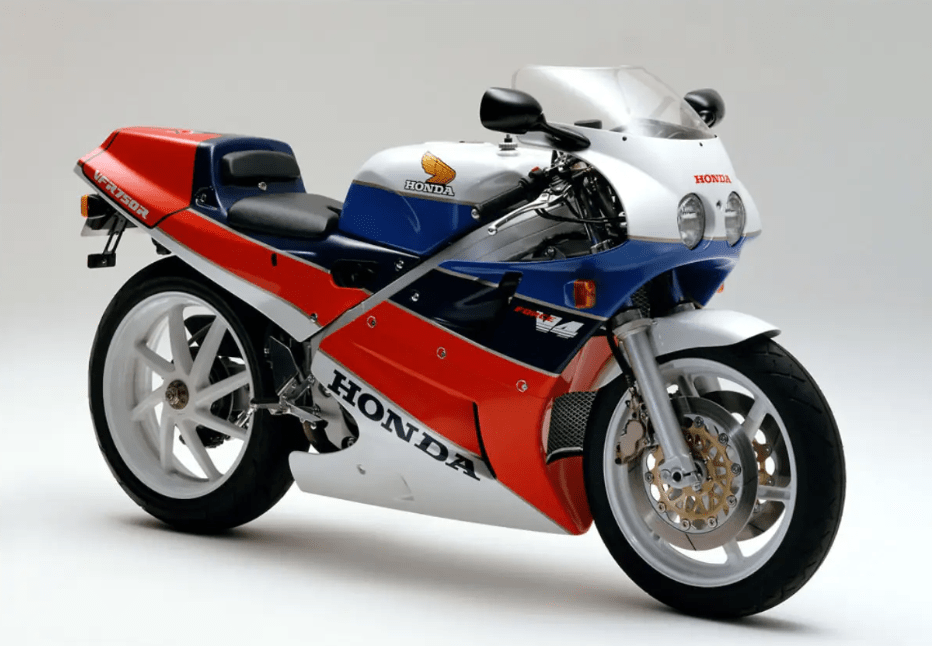
Honda RC30 (VFR750R)
For me, the Honda RC30 defines the homologation era. Hand-built by Honda Racing Corporation, it was designed to dominate endurance races and World Superbike events. Its V4 engine with gear-driven cams and single-sided swingarm made it feel closer to a factory race bike than anything else on the road. If you would like to buy one of these today, you’d need very deep pockets.
400cc Sport Bikes – Accessible Race-Inspired Machines
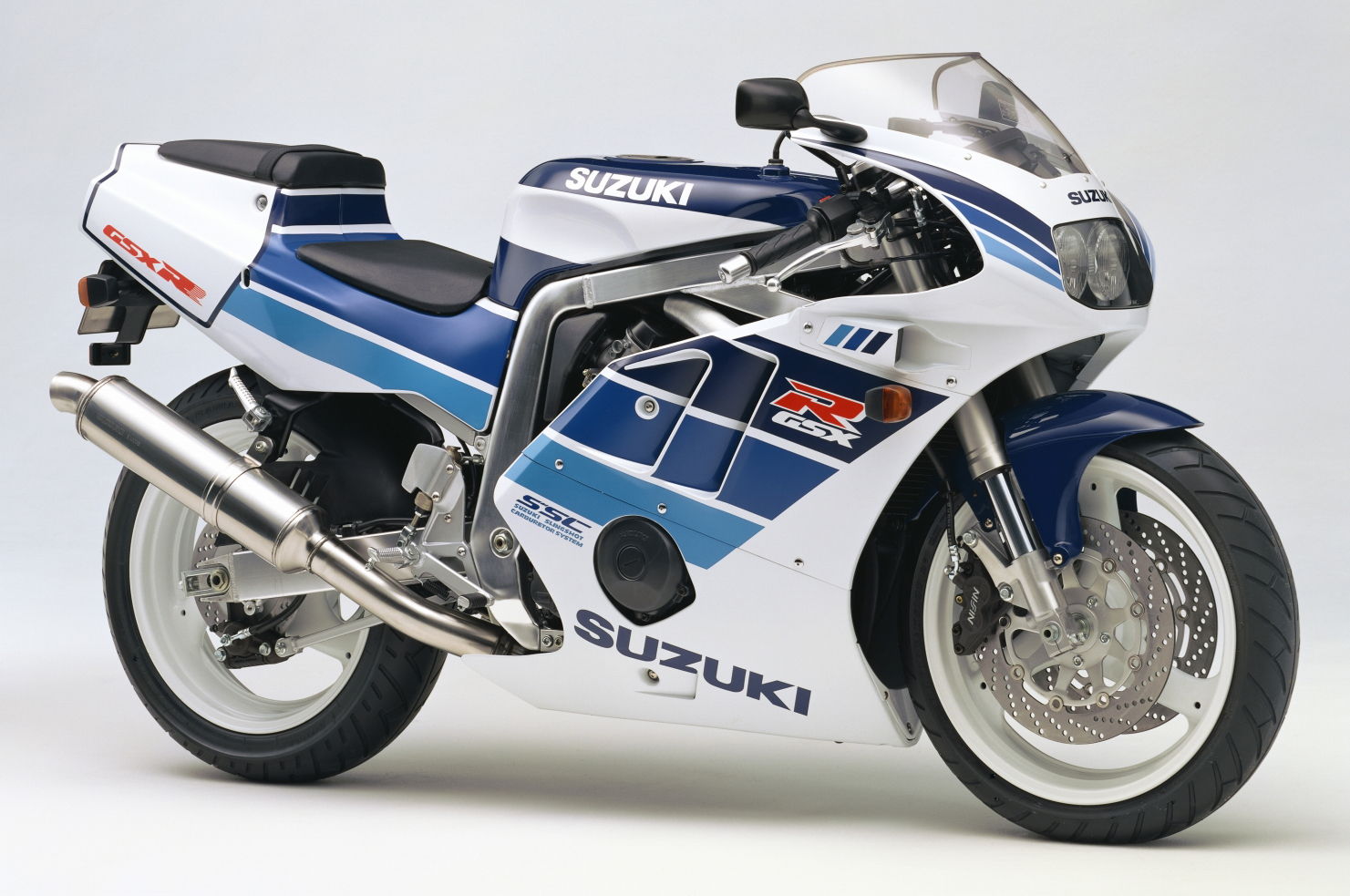
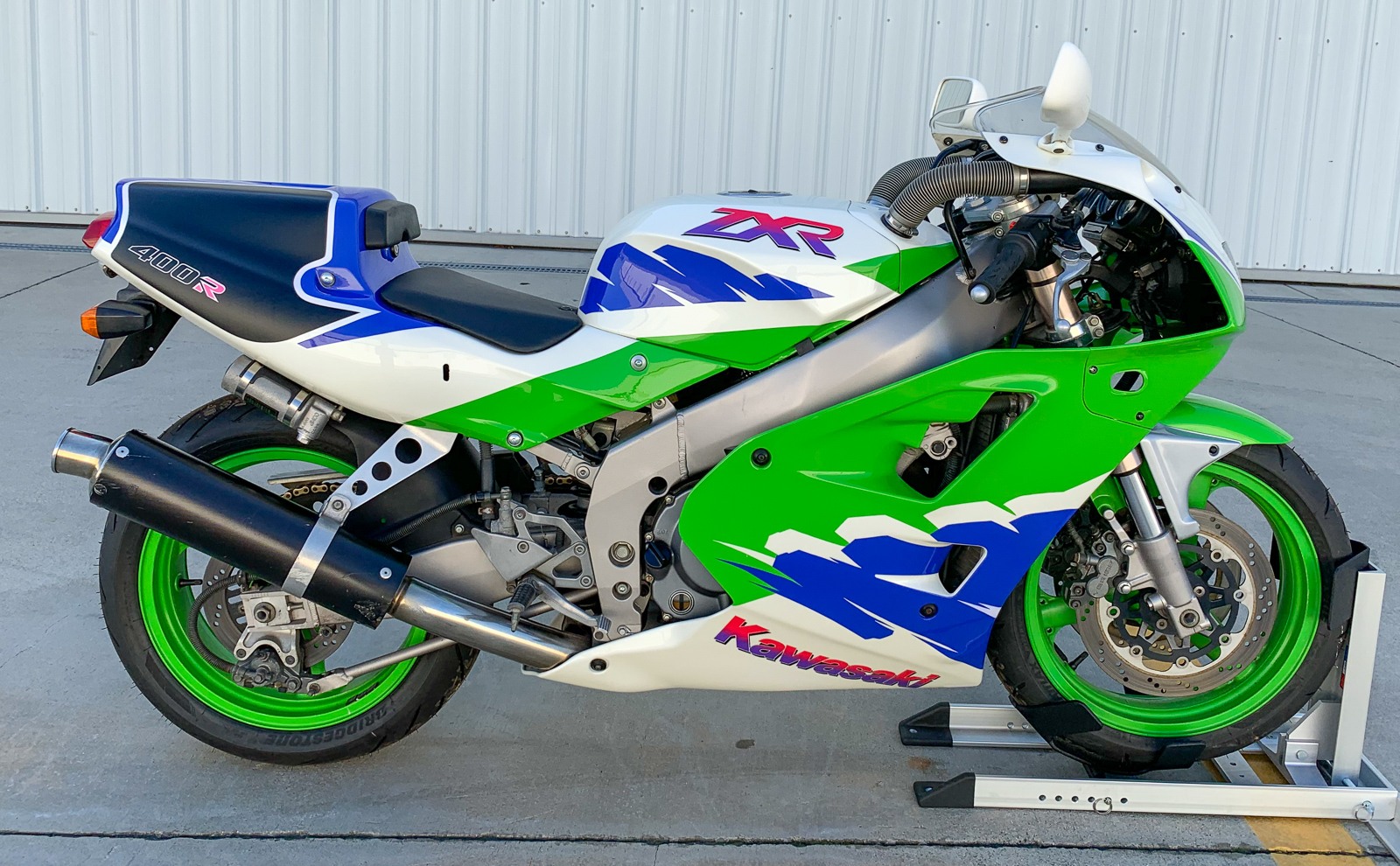
Not every rider could afford the purchase cost, insurance or maintenance of 750cc homologation specials. This is where 400cc sport bikes of the same era offered an ideal compromise. Bikes such as the Honda VFR400R, Suzuki GSX-R400R, Yamaha FZR400R, and Kawasaki ZXR400R allowed riders to experience race-inspired performance without the hefty price tag of larger displacement machines.
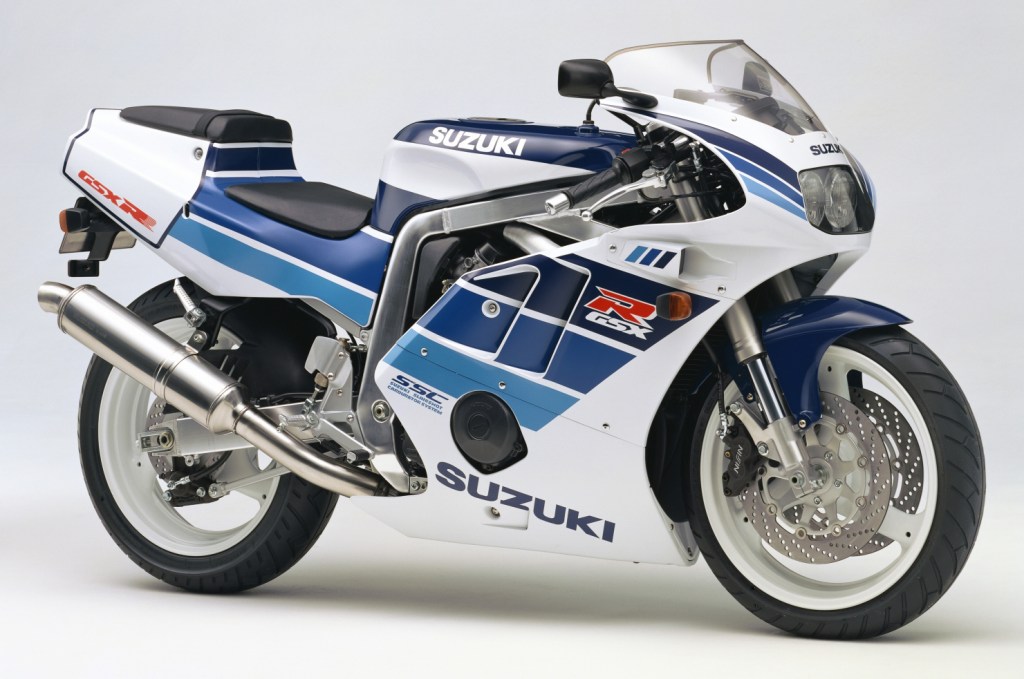
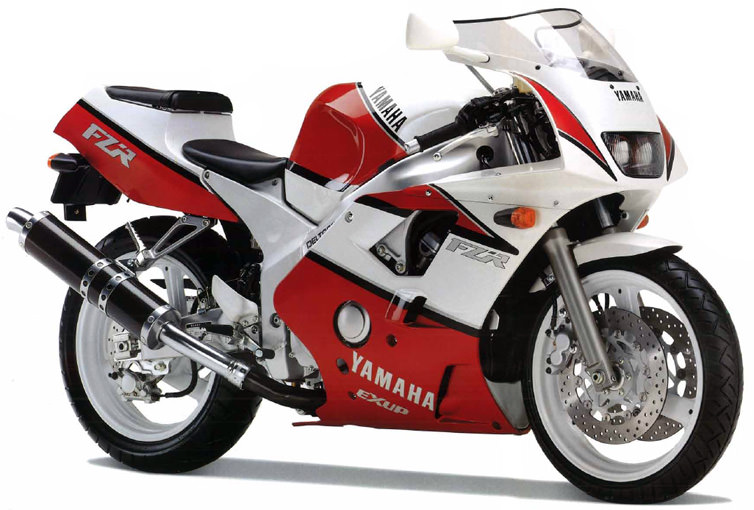
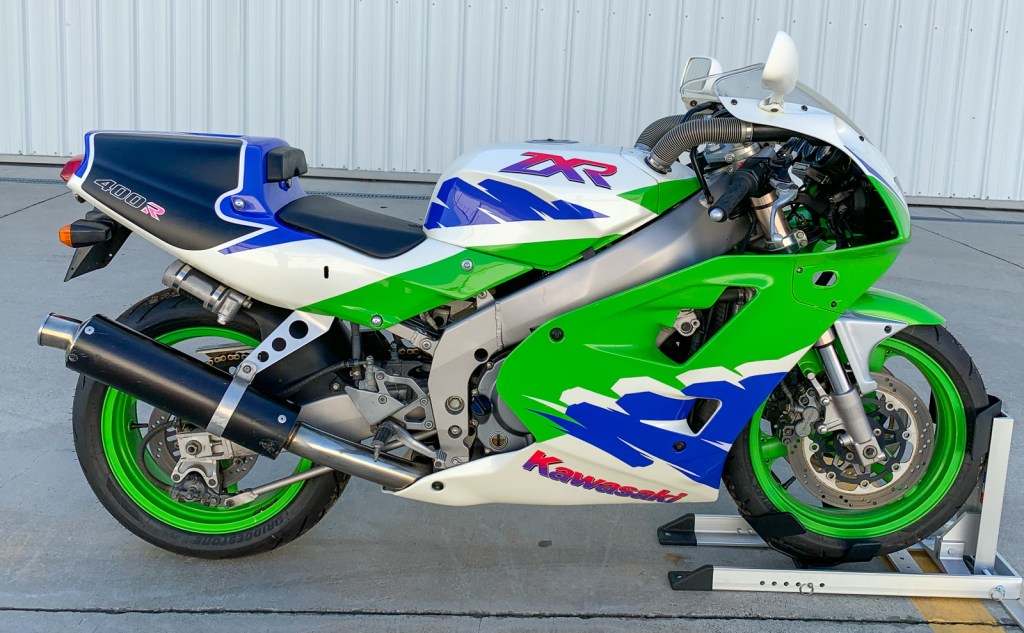
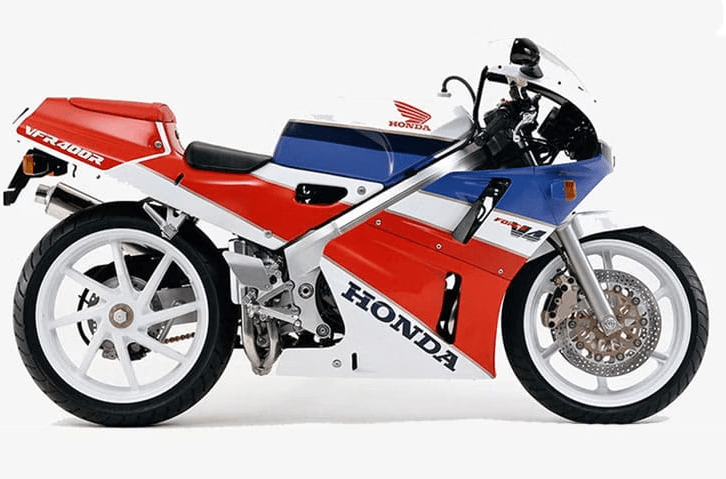
These 400cc bikes often featured lightweight frames, agile suspension setups, and aerodynamic styling reminiscent of their larger siblings. They were approachable for younger riders or those seeking an entry into high-performance sport bikes, delivering a level of speed and handling that made them feel far larger than their actual capacity. In essence, they offered a taste of the race bike dream in a package that was both attainable and practical.
Two-Stroke 250cc Sport Bikes of the Era
While the larger homologated machines grabbed headlines, two-stroke 250cc sport bikes mattered just as much to riders of my generation. They were lighter, even more attainable, and delivered a level of high revving intensity that some four-stroke bikes struggled to match.
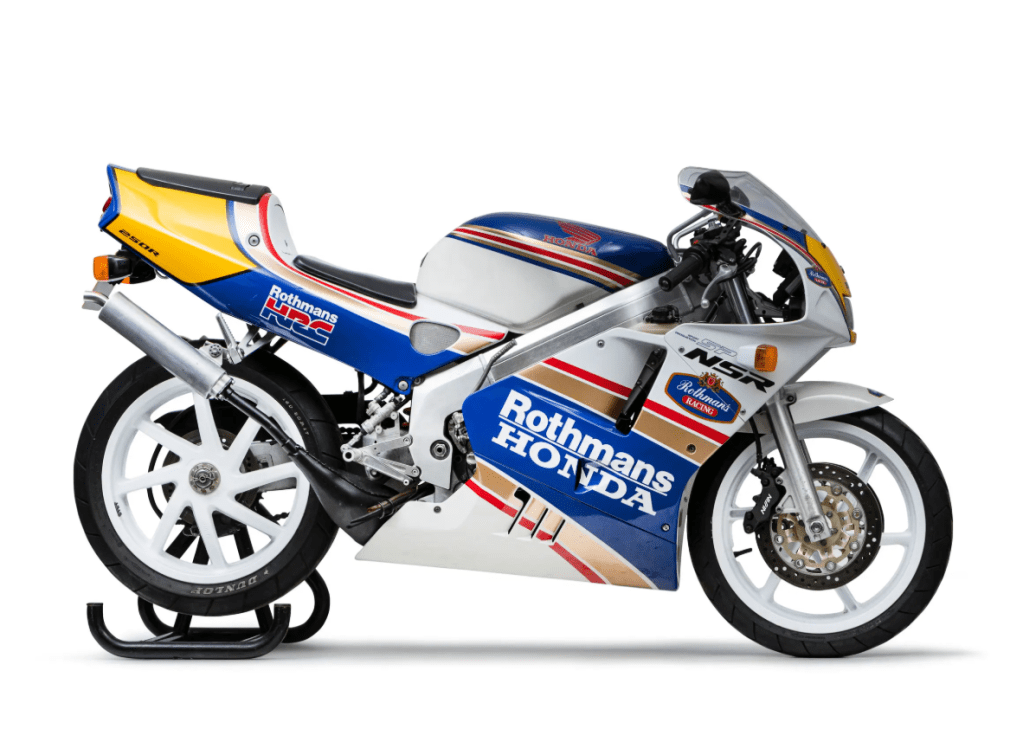
Honda NSR250R
The NSR250R was the closest you could get to a 250cc Grand Prix bike on the road. Its compact V-twin two-stroke engine and race-inspired chassis demanded precision and commitment, yet rewarded it with exhilarating performance. Decked out in Repsol or Rothmans livery, these bikes were so desirable.
Yamaha TZR250
The TZR250 offered a different character, using a parallel-twin two-stroke engine with powervalve technology to make the power more manageable. Built around Yamaha’s Deltabox chassis, it was lightweight, sharp-handling, and captured the spirit of the manufacturer’s racing machines. Of all the TZR models, the 3MA (produced 1989–1990) was iconic, with its reverse-cylinder layout and distinctive exhausts exiting out of the rear seat hump. Later TZR variants adding upside-down forks for even better performance but for me never met the desirability levels of the 3MA model.

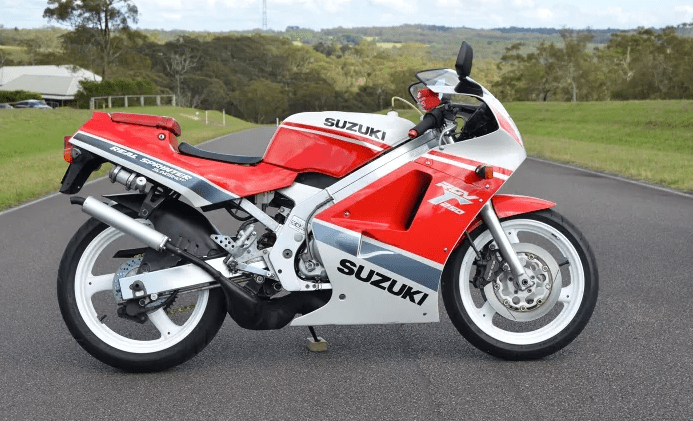
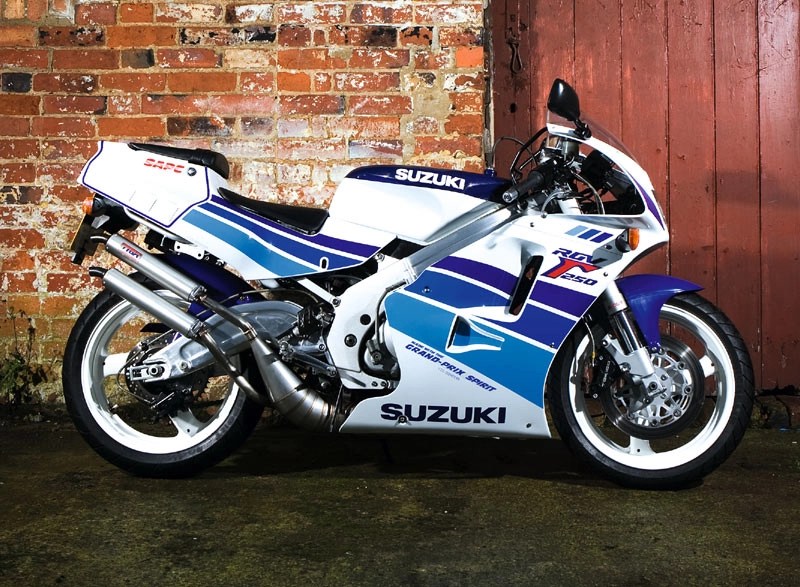
Suzuki RGV250
The Suzuki RGV250 was compact, aggressive, and race-inspired, it featured a 250cc V-twin engine delivering explosive power and sharp handling. The later VJ22 model refined the platform with improved suspension, stronger brakes, and electronically controlled exhaust valves. Its distinctive banana swingarm allowed the exhaust to tuck neatly underneath while optimising suspension geometry, becoming an instantly recognisable hallmark of Suzuki’s racing heritage. For me, the RGV250 VJ22 was the ultimate two-stroke dream bike, blending GP-level excitement with road-legal accessibility. The crisp exhaust note from the twin pipes was like music to my ears.
I was a real Suzuki fan and as soon as I turned 17, got a RG125. Unfortunately, being on L-plates, it was the closest thing I would get to a RGV250…I loved the bike.
Kawasaki KR1 and KR1S
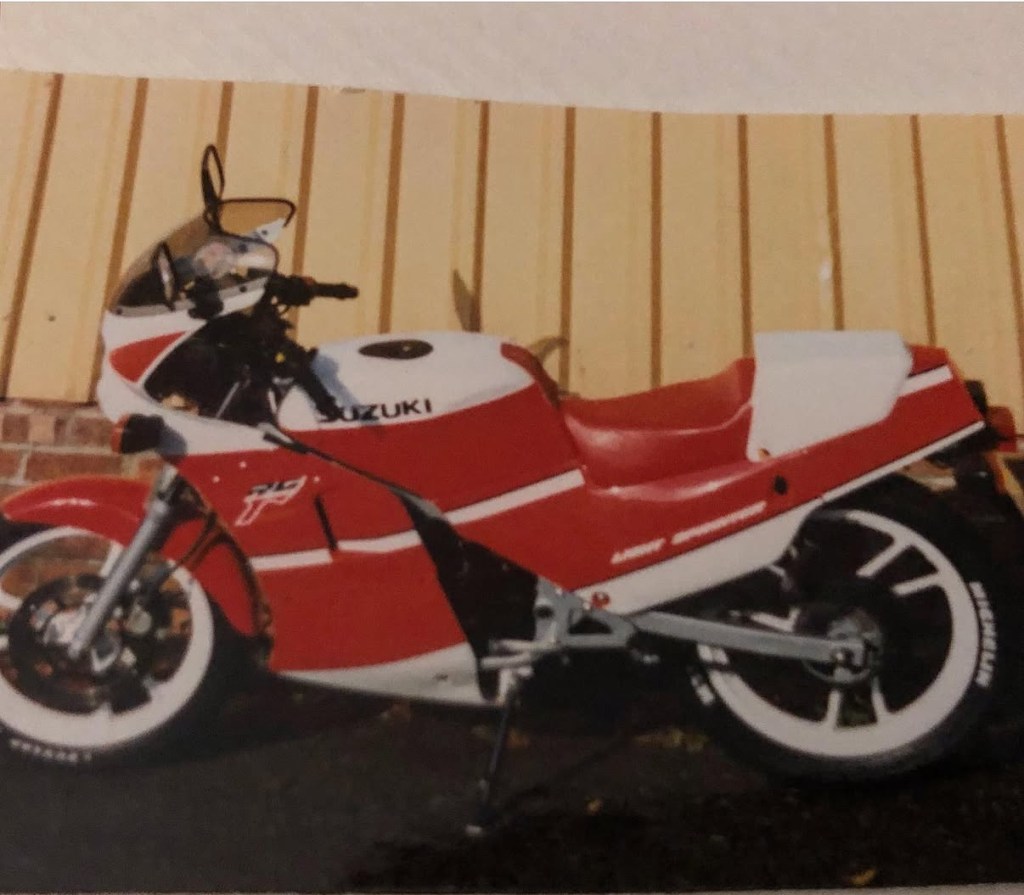
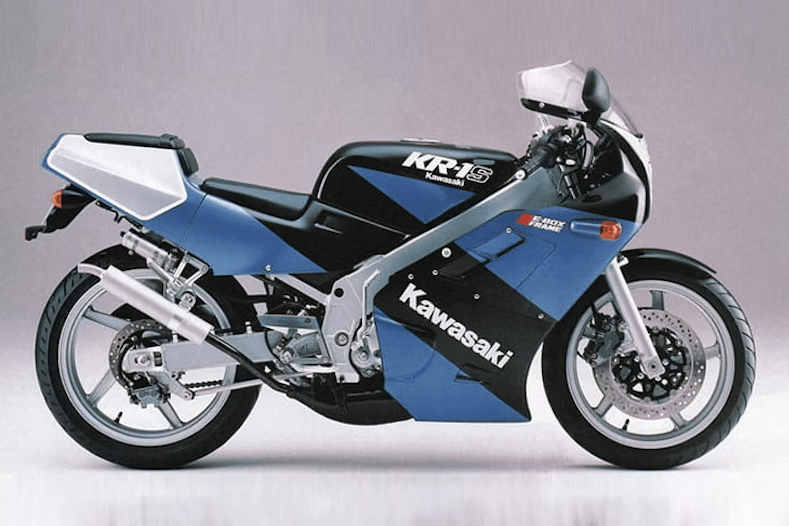
Finally, alongside the NSR, TZR and RGVs of the early 90s, was Kawasaki’s KR1 and the later KR1S, which offered a bold take on the 250cc two-stroke formula. The original KR1 featured a lightweight liquid-cooled parallel-twin with Kawasaki’s KIPS powervalve system, which smoothed the power delivery while still allowing an explosive top-end surge. The KR1S refined this further, with uprated internals, revised porting and larger powervalves that increased performance, while a stiffer frame, upgraded suspension and stronger brakes made it sharper through corners.
Other Classic Homologation Motorcycles Worth Remembering
Beyond the main players, other homologation machines also shaped the era. As we made our way through the early 90’s a certain Mr Carl Fogarty was racing for Ducati, with both the Ducati 851 and 888 pushing the boundaries of World Superbike technology and paving the way for the legendary Ducati 916.
The Japanese were not to be outdone and Honda’s RC45 explored new engineering frontiers, whilst Yamaha’s OW02 (YZF-R7) represented one of the most extreme examples of a homologation special, arriving at the tail end of the era.
Why Homologation Bikes Still Matter
Modern superbikes are faster and more technologically advanced but are also further removed from their racing roots. The homologation specials of the late 80s and 90s were different – they existed purely because racing demanded it, not because marketing wanted it.
For me, these machines were more than bikes to admire – they defined what a performance motorcycle should be: raw, focused, and directly connected to the track. Even decades later, the spirit of 750cc homologation specials, 400cc accessible race-inspired bikes, and 250cc two-strokes continues to set the benchmark by which every modern sport bike is measured.

 KILN MOTO
Leave a comment