
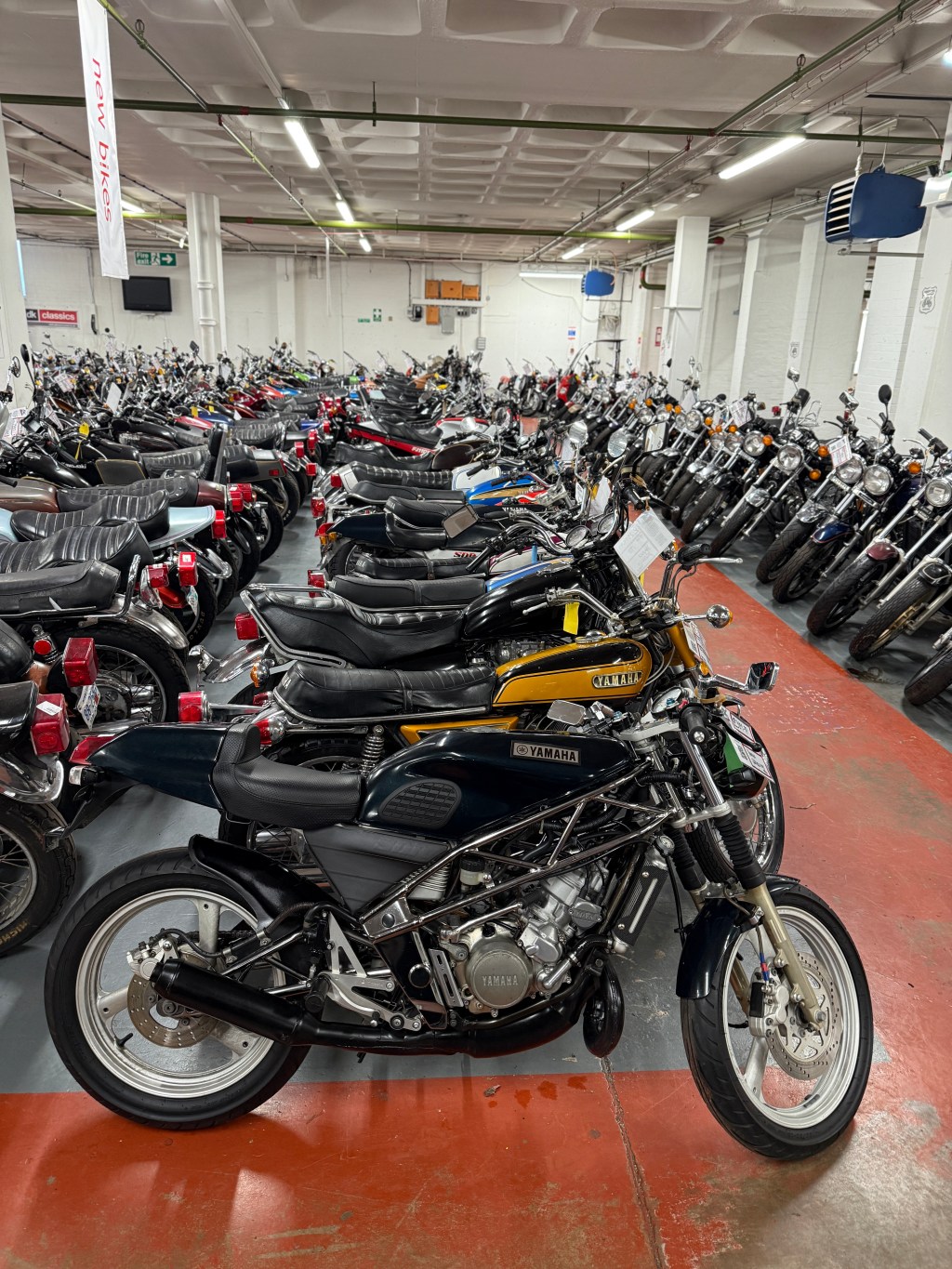
Some bikes fade quietly into the background of your memory. Others never really leave. The Yamaha SDR200 belongs firmly in the second category for me.
I must have been around seventeen when I first became aware of it. Back then, my exposure to motorcycles was mostly through magazines – glossy pages filled with machines I couldn’t afford, couldn’t ride, and in many cases couldn’t even find in the UK. The SDR200 stood out immediately. It wasn’t loud or aggressive on the page, but it had something far more compelling: restraint. Slim proportions, a trellis frame that looked more Italian than Japanese, and the promise of a two-stroke engine that suggested fun rather than bravado. I was hooked long before I understood why.
Fast forward to today, and I found myself standing in a local bike shop that specialises in imported classics and half-finished projects. The sort of place where stories cling to the walls as much as oil does to the floor. And there it was. The Yamaha SDR200. Not behind glass. Not in print. Just sitting there quietly, almost modestly, as if it hadn’t spent decades living rent-free in my head.
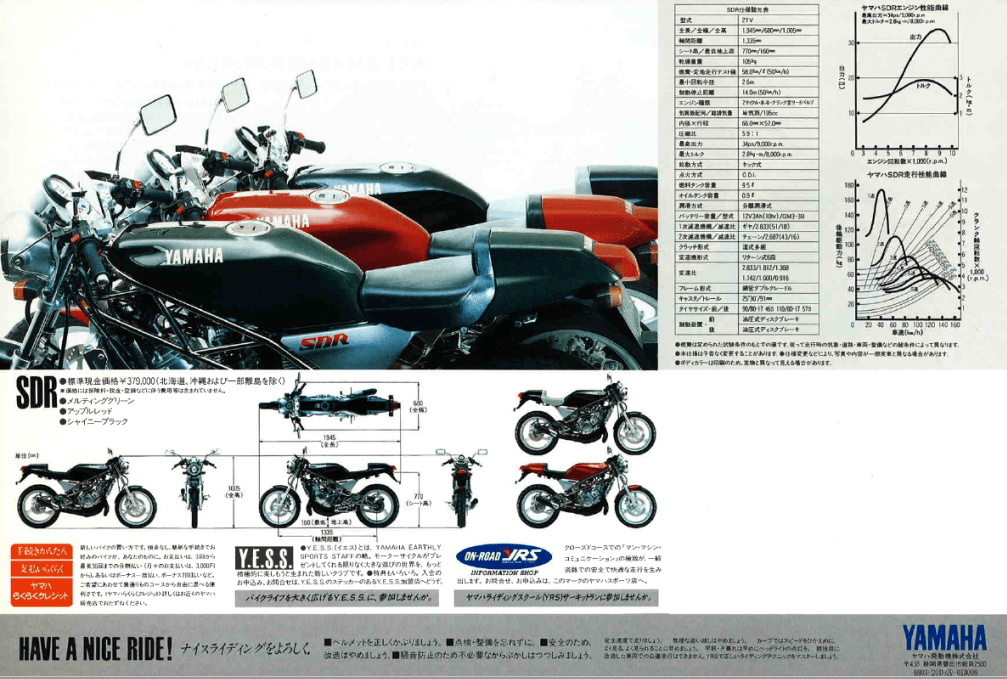
The first thing that struck me was just how small it is. Even knowing the figures on paper doesn’t prepare you for the reality. It’s genuinely tiny, yet perfectly proportioned. The chrome trellis frame – still unusual, still eye-catching – gives the bike an almost skeletal honesty. Nothing feels hidden or over-styled. Yamaha clearly wasn’t chasing trends with the SDR200; they were building something purposeful, lightweight and, in my opinion, beautifully resolved.
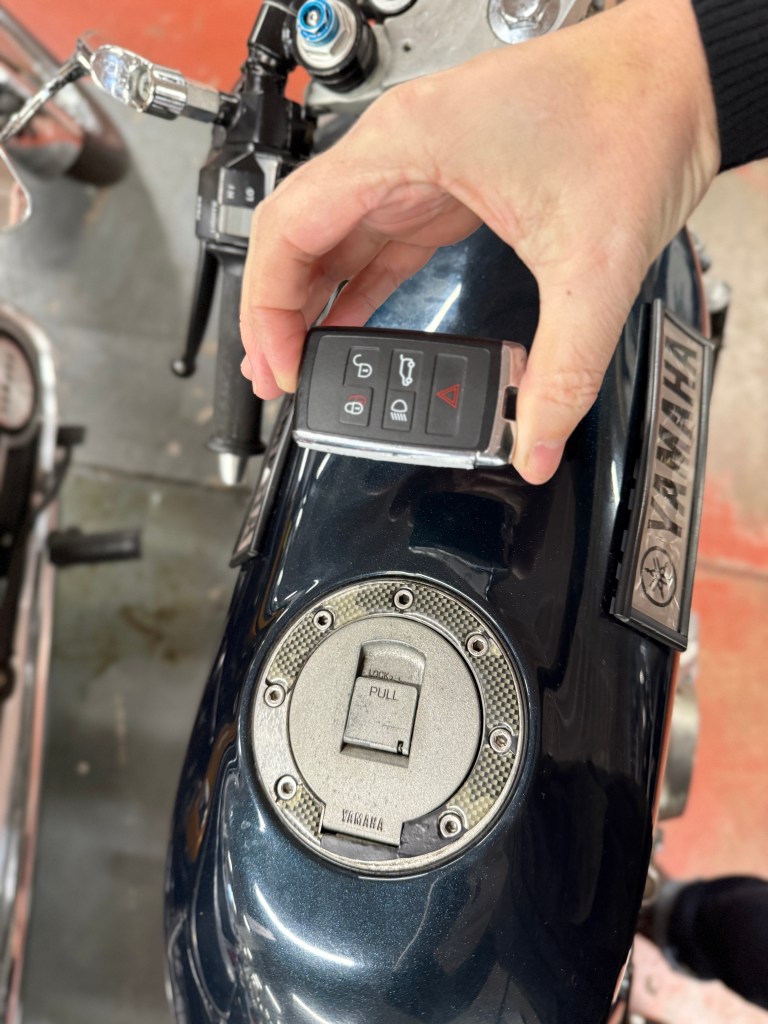
I sat on it, which felt oddly significant. The narrow seat, the compact tank, the way everything feels drawn in tight around you – it instantly made sense. This is not a bike designed to intimidate or impress at a standstill. It’s built to be ridden properly, to be worked, to reward momentum and precision. I didn’t hear it run, unfortunately, but even in silence the bike communicates its intent. You can almost imagine the crisp response of the two-stroke engine , the way it would come alive once the revs build.
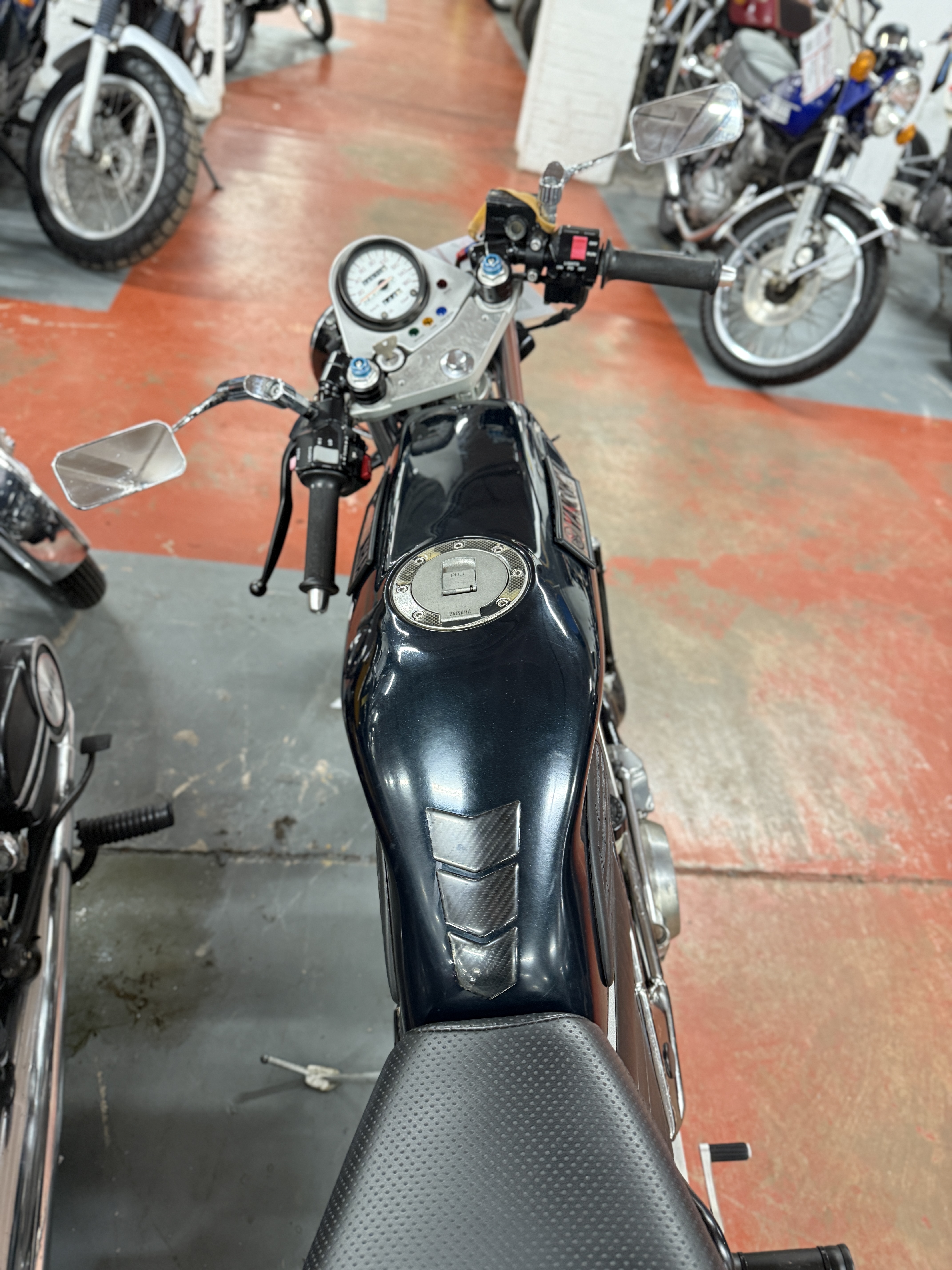
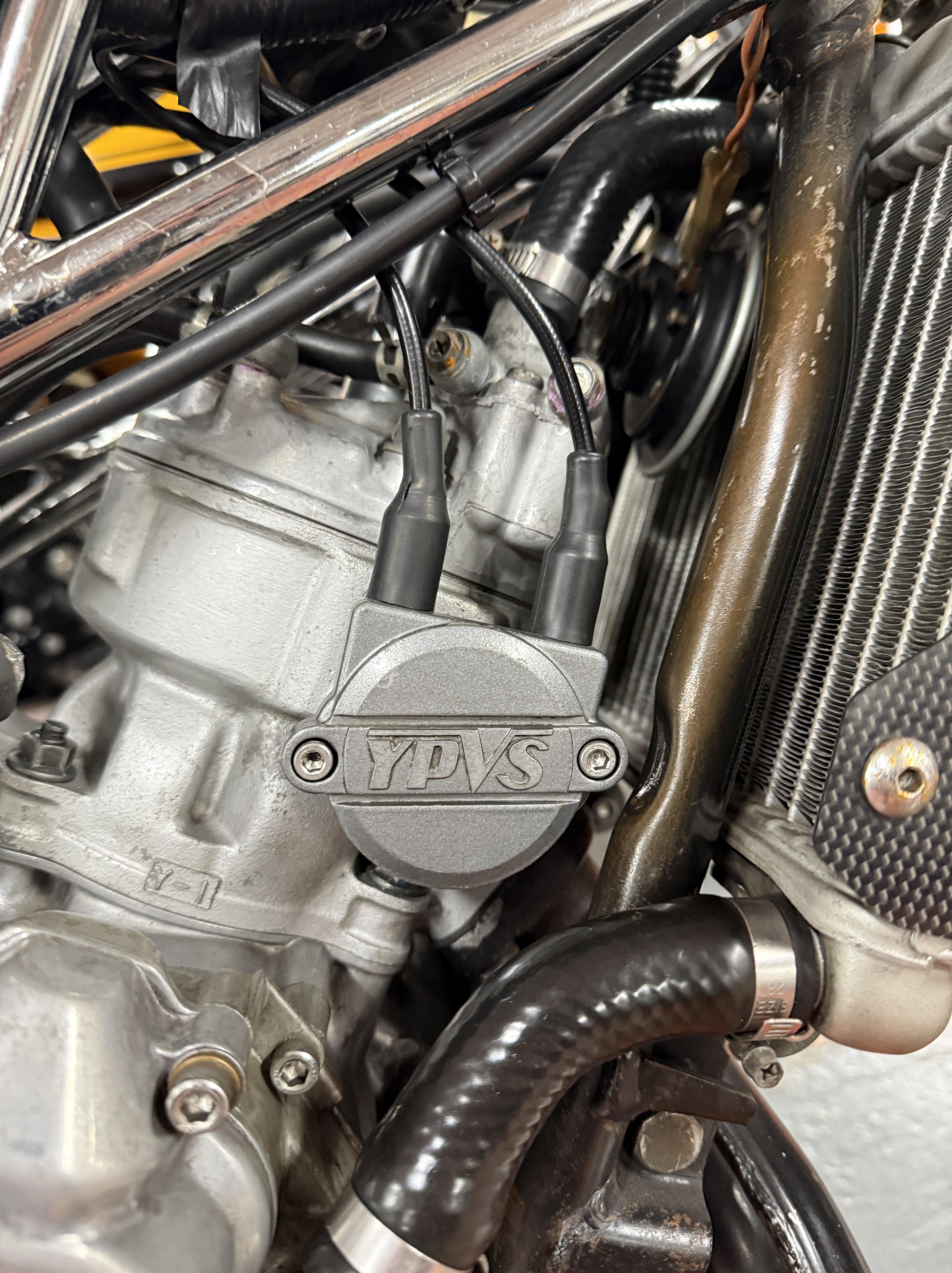
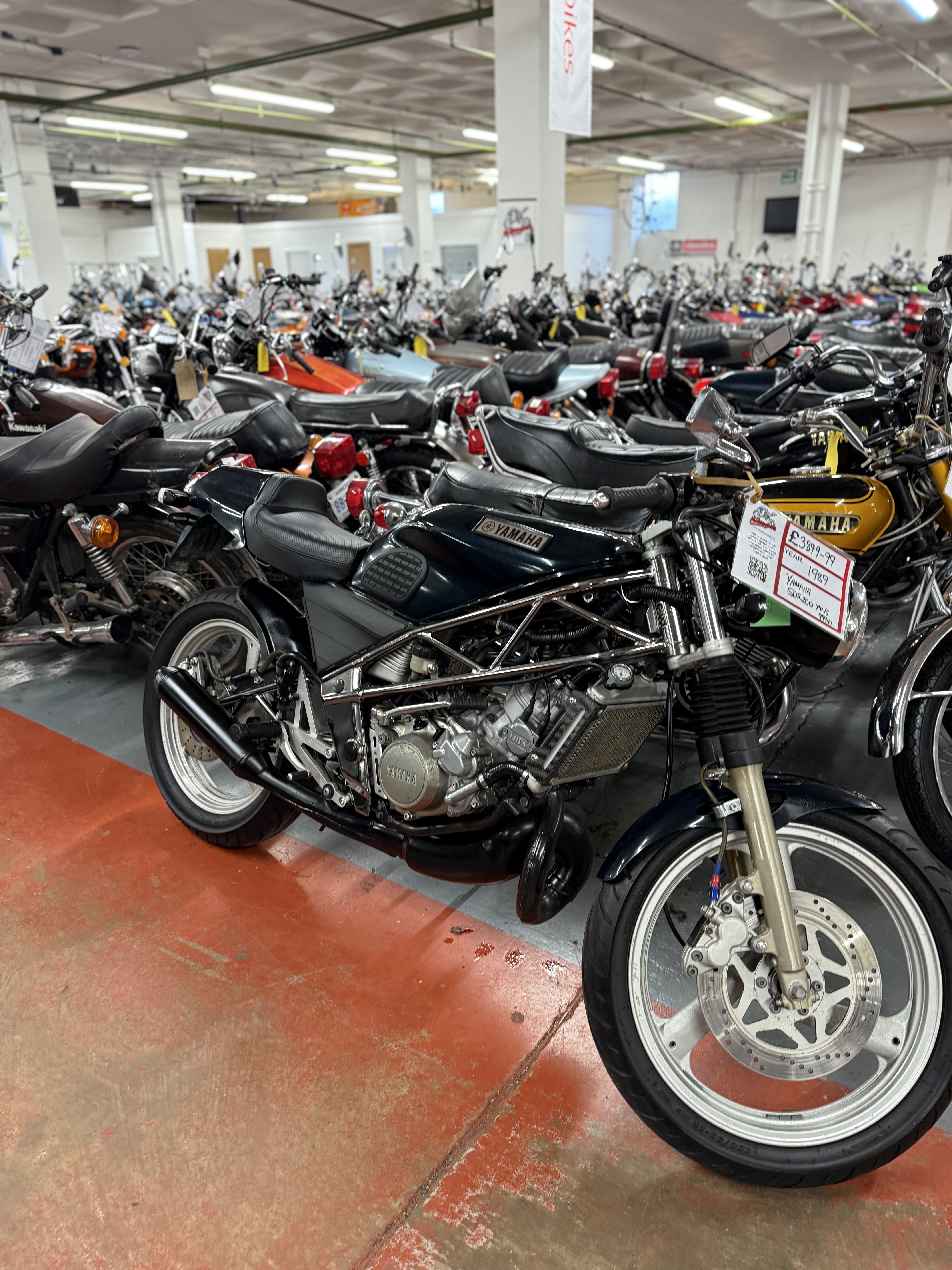
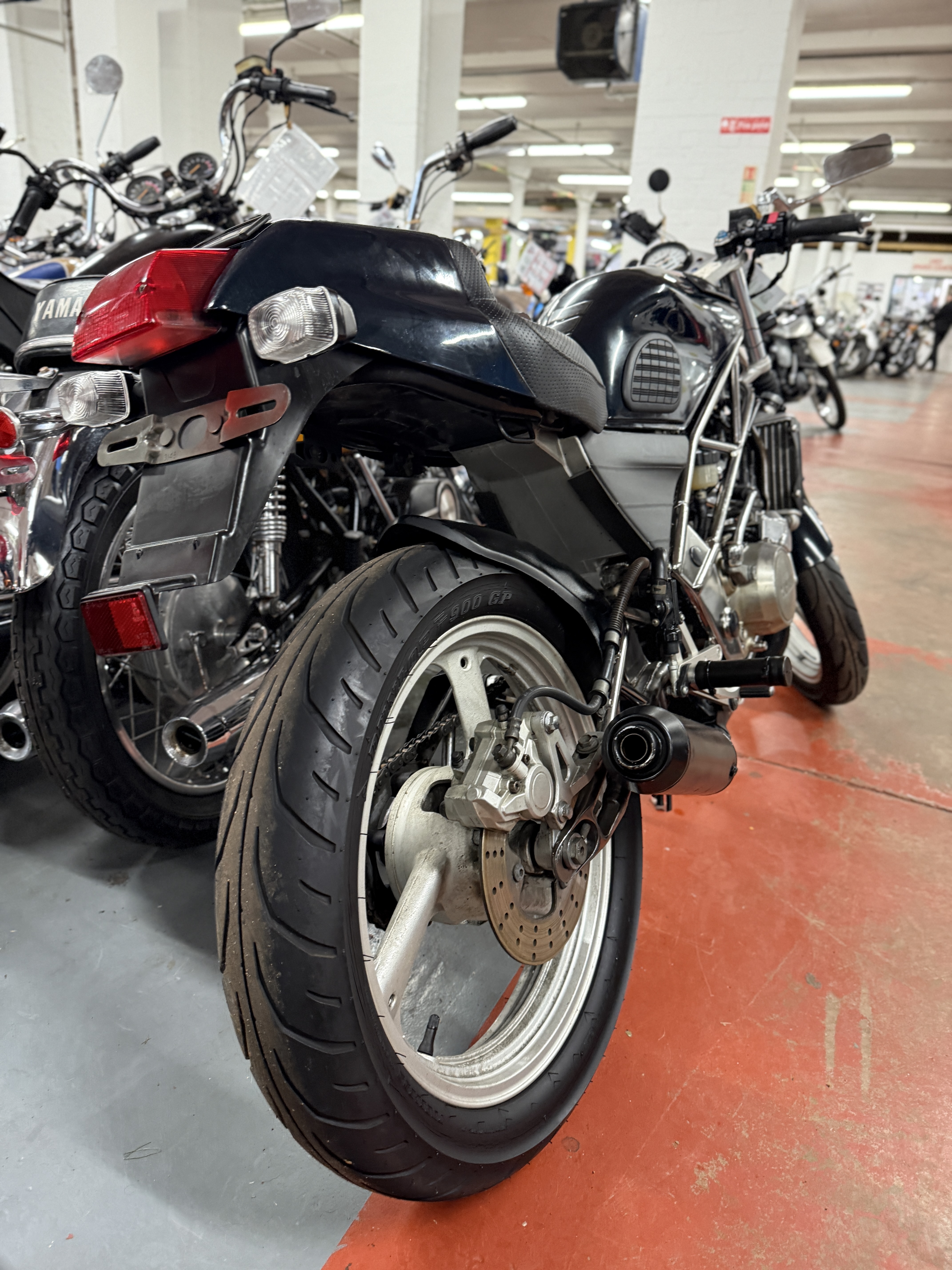
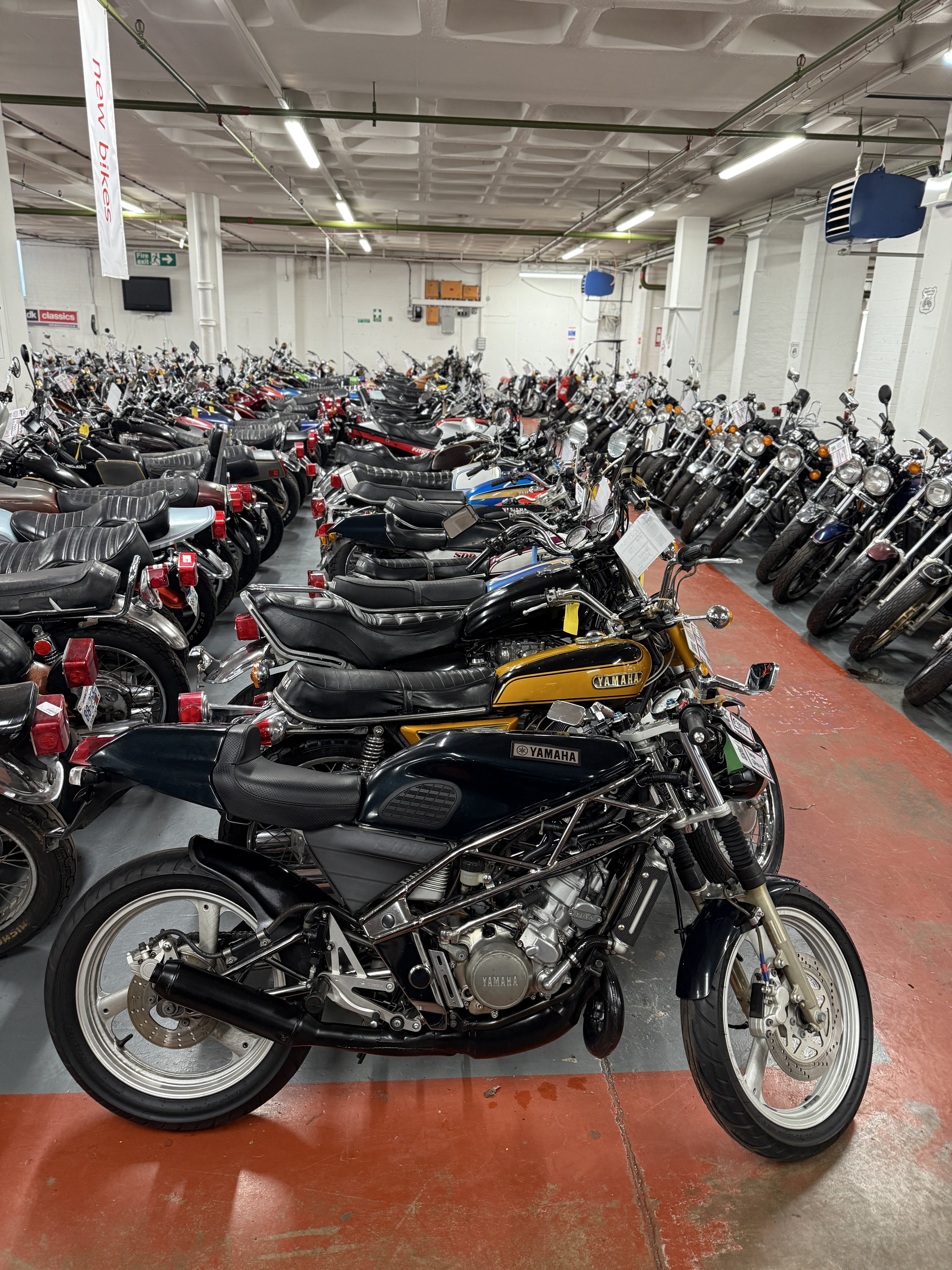
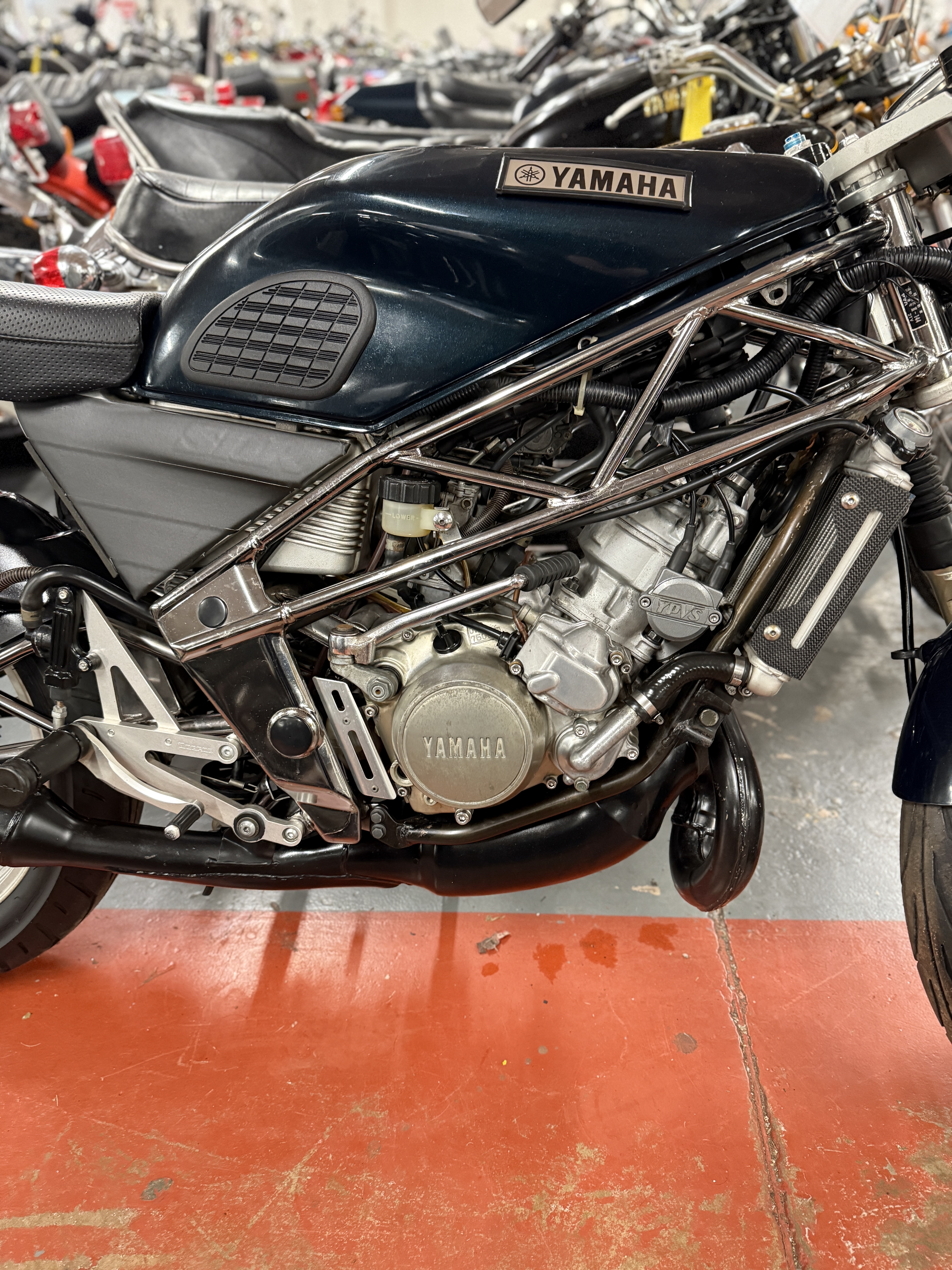
What always fascinated me about the SDR200 – and still does – is how confidently different it was. A 200cc liquid-cooled two-stroke with Yamaha’s Power Valve System (YPVS), wrapped in a chassis that prioritised balance over brute force, sold only in Japan and never officially offered here. It feels like a bike built by engineers rather than marketers. That, to me, is part of its enduring appeal.
Seeing it again didn’t just remind me of a specific motorcycle; it reminded me of a time when my relationship with bikes was pure and uncomplicated. When reading about a machine was enough to spark imagination, and ownership felt secondary to fascination. The Yamaha SDR200 represents that era perfectly. It’s not the fastest, rarest or most valuable bike from the period, but it carries a kind of quiet significance that many bigger names lack.
For something that was never meant for British roads, the SDR200 feels strangely at home here – especially tucked away in a workshop full of projects waiting for their next chapter. Walking away from it, I realised that some bikes don’t need to be ridden to matter. Sometimes, simply encountering them at the right moment is enough to reconnect you with why you fell in love with motorcycles in the first place.

 KILN MOTO
Leave a comment