
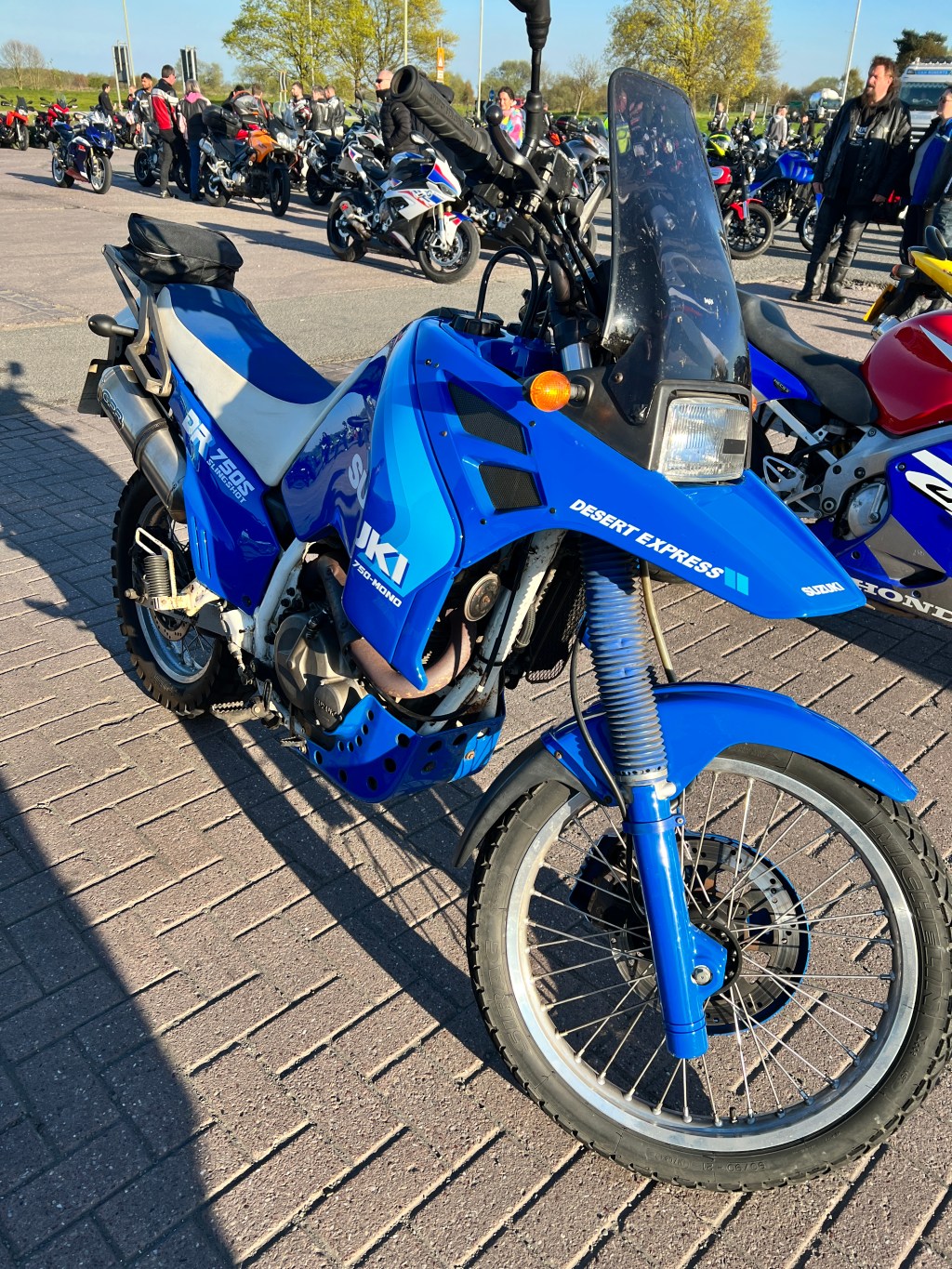
Classic adventure motorcycles from the late 1980s and 1990s are experiencing a clear revival. While modern adventure bikes dominate showrooms with advanced electronics and ever-increasing power, many riders are deliberately choosing older machines that prioritise durability, simplicity and real-world usability.
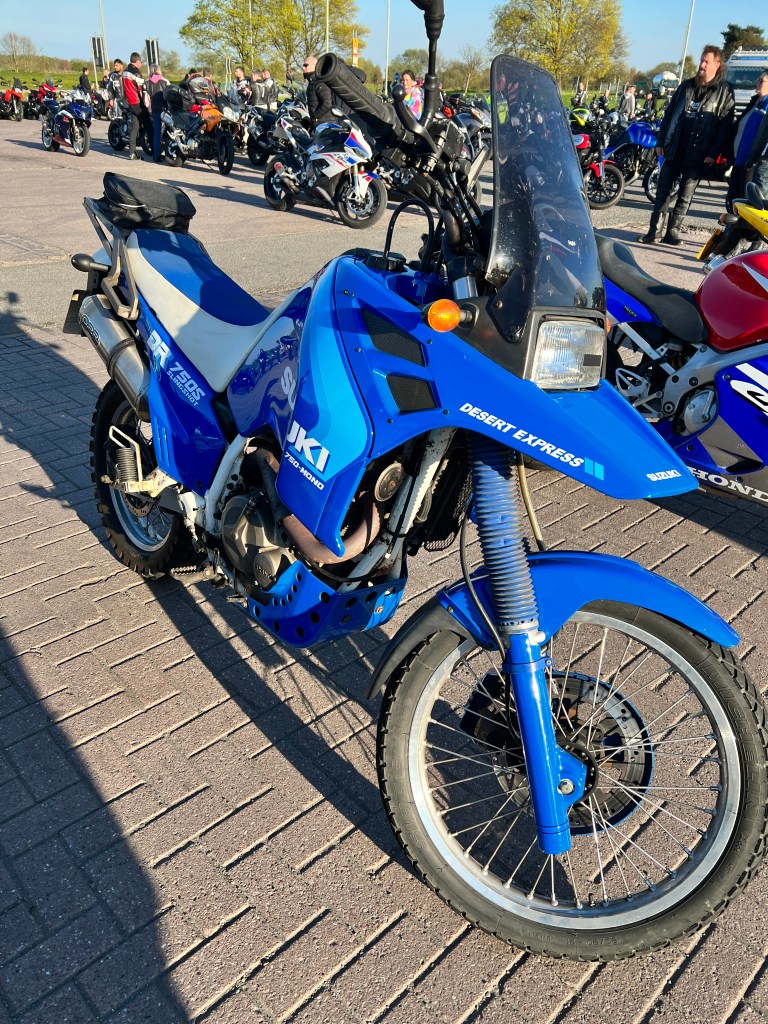
Motorcycles such as the Suzuki DR750 and DR800 Big, Aprilia Tuareg 600 Wind, Honda XRV650 and XRV750 Africa Twin, Yamaha XTZ750 Super Ténéré, and Honda’s XL and XR models are once again being ridden, restored and appreciated – not just as classics, but as genuinely capable adventure bikes.
Why Riders Are Returning to Classic Adventure Bikes
Across rider communities and long-distance routes, the same reasons are consistently mentioned:
- Simpler, more reliable engineering
- Lower purchase and running costs
- Lighter, more manageable size and weight
- Proven long-distance and off-road capability
- Genuine character and heritage
These older adventure motorcycles offer confidence built through experience rather than electronics.
Why Classic Adventure Motorcycles Were Built to Last
When these bikes were originally developed, adventure riding was not yet a marketing category. Manufacturers were building motorcycles for riders who expected to cover long distances on mixed surfaces, often far from dealers or technical support.
Large fuel tanks, long-travel suspension, upright ergonomics and engines tuned for steady torque were standard features. Peak horsepower figures were less important than balance, reliability and the ability to keep moving in difficult conditions. This design philosophy is a major reason these bikes still make sense today.
Mechanical Simplicity of Older Adventure Bikes
One of the strongest attractions of older adventure bikes is their mechanical honesty. Modern motorcycles rely heavily on electronics to manage power delivery, braking and suspension. While effective, this adds complexity and can distance the rider from the experience.
Classic adventure motorcycles use simpler systems such as carburettors, cable throttles and basic electrics. The result is direct feedback and predictable behaviour, particularly useful off road.
Honda’s XR series reflects this approach clearly. Originally designed for endurance and off-road use, XR models became known for toughness, ease of maintenance and the ability to keep going in harsh environments. These qualities remain relevant to adventure riders today.
Why Older Adventure Bikes Are More Affordable
The rising cost of new adventure motorcycles has led many riders to look elsewhere. Fully equipped modern machines often carry price tags that make long-distance or off-road use feel like a financial risk.
Older adventure bikes offer a more accessible alternative. Purchase prices are generally lower, insurance costs are often reduced and depreciation is minimal. For riders willing to maintain an older machine, classic adventure motorcycles provide strong value.
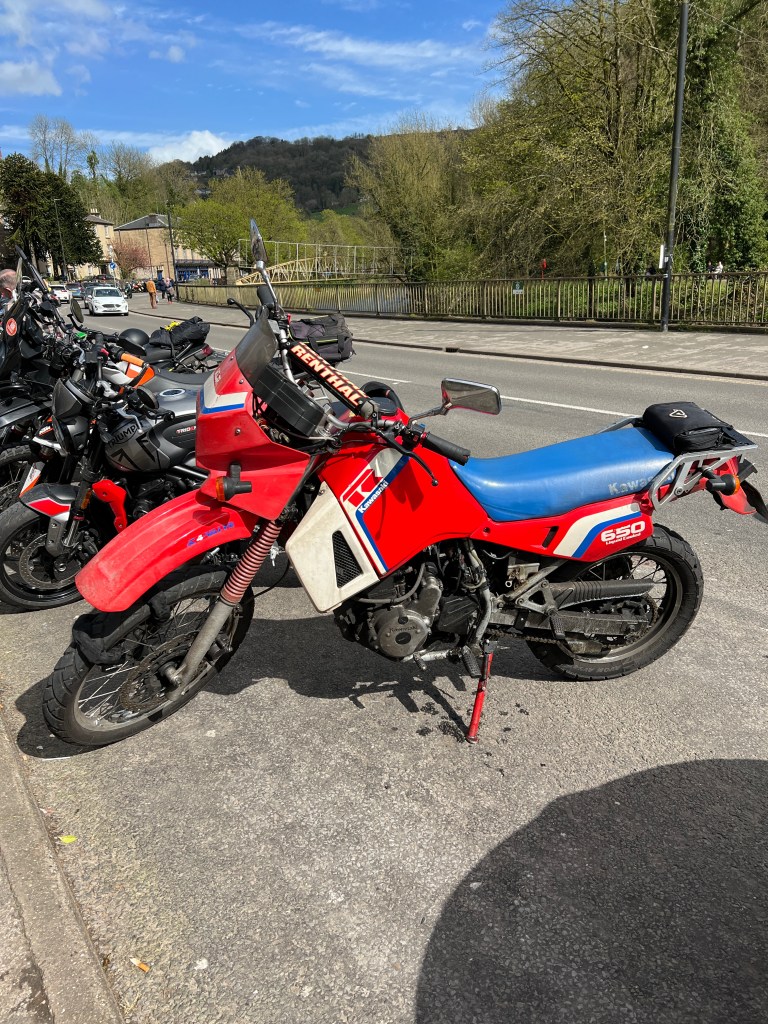
For example – Honda’s XL models, which sat between trail bikes and touring machines, remain popular for this reason. They are versatile, dependable and relatively inexpensive to own, making them suitable for travel and everyday use.
Weight, Balance and Real-World Handling
As adventure bikes have evolved, many have become larger and heavier. While this improves comfort and high-speed stability, it can make loose surfaces and slow technical riding more demanding.
Earlier adventure motorcycles tend to be narrower and easier to manage. Bikes such as the Africa Twin and XTZ750 Super Ténéré were designed to remain controllable when fully loaded and ridden over varied terrain. This balance makes them more forgiving and confidence-inspiring, particularly off road.
Heritage That Feels Earned
Another reason for the renewed interest in classic adventure motorcycles is their authenticity. These bikes were not styled to suggest adventure; they were built for it.
The Africa Twin name originated from Honda’s long-distance desert racing experience. Yamaha’s Super Ténéré draws its identity from some of the most demanding terrain in the world. The Suzuki DR Big brought rally-inspired design into a production motorcycle long before adventure styling became mainstream.
This sense of purpose continues to appeal to riders who value credibility over appearance.
Ease of Maintenance and Owner Support
Classic adventure bikes are also easier to live with for riders who prefer to maintain their own machines. Mechanical layouts are accessible, faults are easier to diagnose and parts availability remains strong thanks to dedicated owner communities, making long-term ownership realistic even decades after production ended.
Why Classic Adventure Motorcycles Are Still Relevant Today
The renewed popularity of classic adventure motorcycles reflects a shift in rider priorities. More riders are choosing machines that reward skill, offer mechanical honesty and encourage exploration without reliance on technology.
These bikes may lack modern electronics, but they offer something increasingly rare: trust. Trust that the bike will keep going, that it can be repaired with basic tools, and that the riding experience depends on the rider rather than a settings menu.
For many riders, choosing a classic adventure bike is not about going backwards. It is about rediscovering what adventure riding has always been about.
The Influence of Riders and Content Creators
Finally, it’s worth noting that the resurgence of classic adventure motorcycles is also evident in the content created by prominent adventure riders and influencers. Adam Riemann, for example, rides his iconic XRV750 Africa Twin, affectionately named The Ironhorse, which has carried him across countless long-distance journeys and rugged terrain. Similarly, Noraly Schoenmaker, better known as Itchy Boots, showcases her heavily customised 1980’s Yamaha XT600Z Ténéré, nicknamed Frankie, rebuilt by German specialist Moritz to handle extreme travel conditions while retaining the charm and character of the original bike. Through their journeys and storytelling, both riders emphasise the enduring appeal of classic adventure motorcycles – highlighting reliability, simplicity, and real-world capability over modern electronics. Their experiences have inspired countless riders to reconsider older machines as practical, trustworthy companions for adventure, reinforcing the growing trend of embracing these timeless motorcycles.
I guess the only question left is which one should I buy?
Let me know which classic adventure bikes you prefer in the comments below.

 KILN MOTO
Leave a comment