
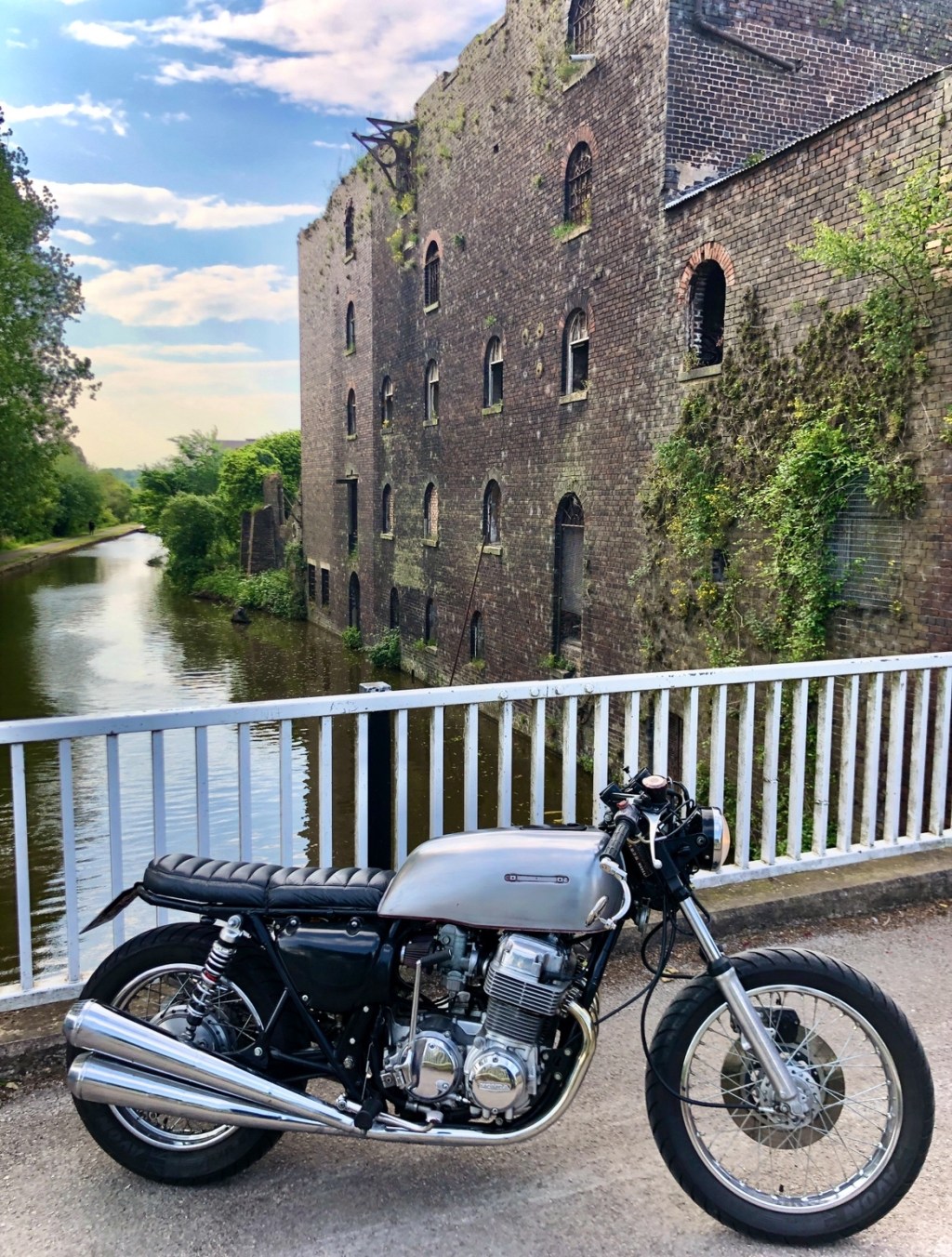
In the heart of Middleport (Stoke-on-Trent), just a short distance from the location of the famous tv show – The great pottery throw-down, there stands an old building, weathered by time and neglect, yet its grandeur certainly provided a captivating backdrop for my photo above.
This building is the old Middleport Flour Mill, a tall brick building sitting right on the banks of the Trent and Mersey Canal at Milvale Street, Middleport. Opening in around 1844 it operated under various ownerships as a flour mill until 1924.
Later the site was used by Morrilew pottery, however, the site has been closed for quite some time now and this aged structure, serves as a poignant reminder of how a lack of investment can lead to the slow decay of our architectural heritage.
Our industrial city may not be renowned for its glamour, but it is home to numerous buildings like this one, each possessing the potential to be revitalised into vibrant places to live, work, shop, dine, or simply unwind.
What these buildings need is a vision, a healthy dose of investment, and the invaluable support of local government to help us envision a better future that honors our history and industrial past. Many larger cities across the UK offer excellent examples of the successful regeneration of old buildings, and I can’t help but hope that one day, we’ll witness a similar renaissance right here.
There are signs that this is happening, Stoke-on-Trent was awarded £20 million from the Levelling Up Fund to repurpose several key heritage buildings.
According to the Government website, around £10 million will be used to redevelop the 6-acre Spode Works site which closed in 2008. Various work at Spode has already started and it is hoped the investment will enable the site to become a new vibrant residential community with several uses, including creative commercial space and of course preserving historical industrial architecture.

Another project in the city is the Goods Yard, located next to Stoke-on-Trent’s main train station, again running alongside the Trent & Mersey Canal and close to Staffordshire University.
The Goods Yard hopefully has all the ingredients for success, with construction work starting to transform this underused historic site. Its brick vaulted warehouse, once used to store goods passing from canal to rail, will be re-purposed for work and leisure spaces and the former Network Rail signal box is to become a café bar. The site will also offer homes to rent, and various outdoor spaces with access to the water’s edge.

A final nod to a project I’ve liked for some time is the Glost House Cafe Bar in the renovated Phoenix Works, a 19th century former pottery in Longton’s King Street.
The Glost House name is a small nod of recognition to the rich heritage of Stoke-on-Trent.
GLOST – meaning: Pottery pieces which have been glazed. Adjective of glaze.
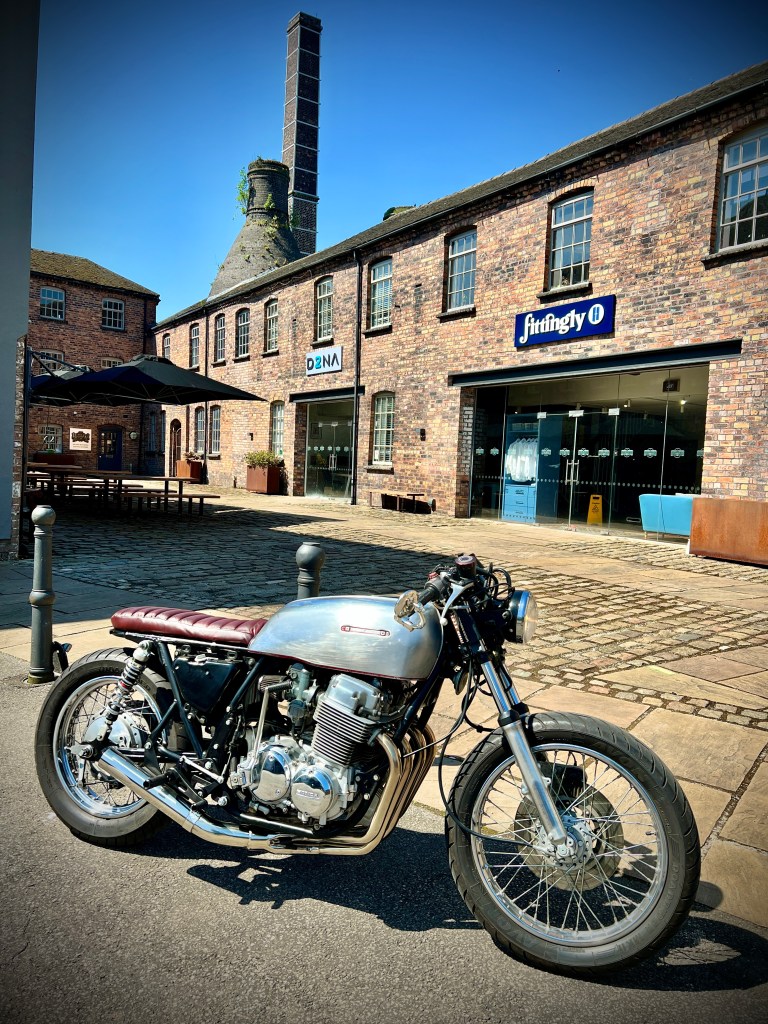
In essence, urban regeneration bears striking parallels to my CB750K restoration project, where I’ve taken something old, invested in it by repairing its worn components, and integrated modern elements to enhance its safety and overall performance. It’s a labor of love, not unlike the transformation of an old building. What’s more, the government plays its part in my bike project too, by exempting the need for MOT testing in recognition that a bike of this age would never meet the stringent emissions standards in place today.
All these efforts come together to breathe new life into my vintage CB750, allowing it to serve its purpose once more, even after many years have passed since its initial creation.
This restoration not only mirrors the potential for our historic buildings but also underscores the value of preserving our past while adapting to the demands of the present and future.
Until next time…work hard, ride safe.
Craig aka KILNmoto


 KILN MOTO
Leave a comment