
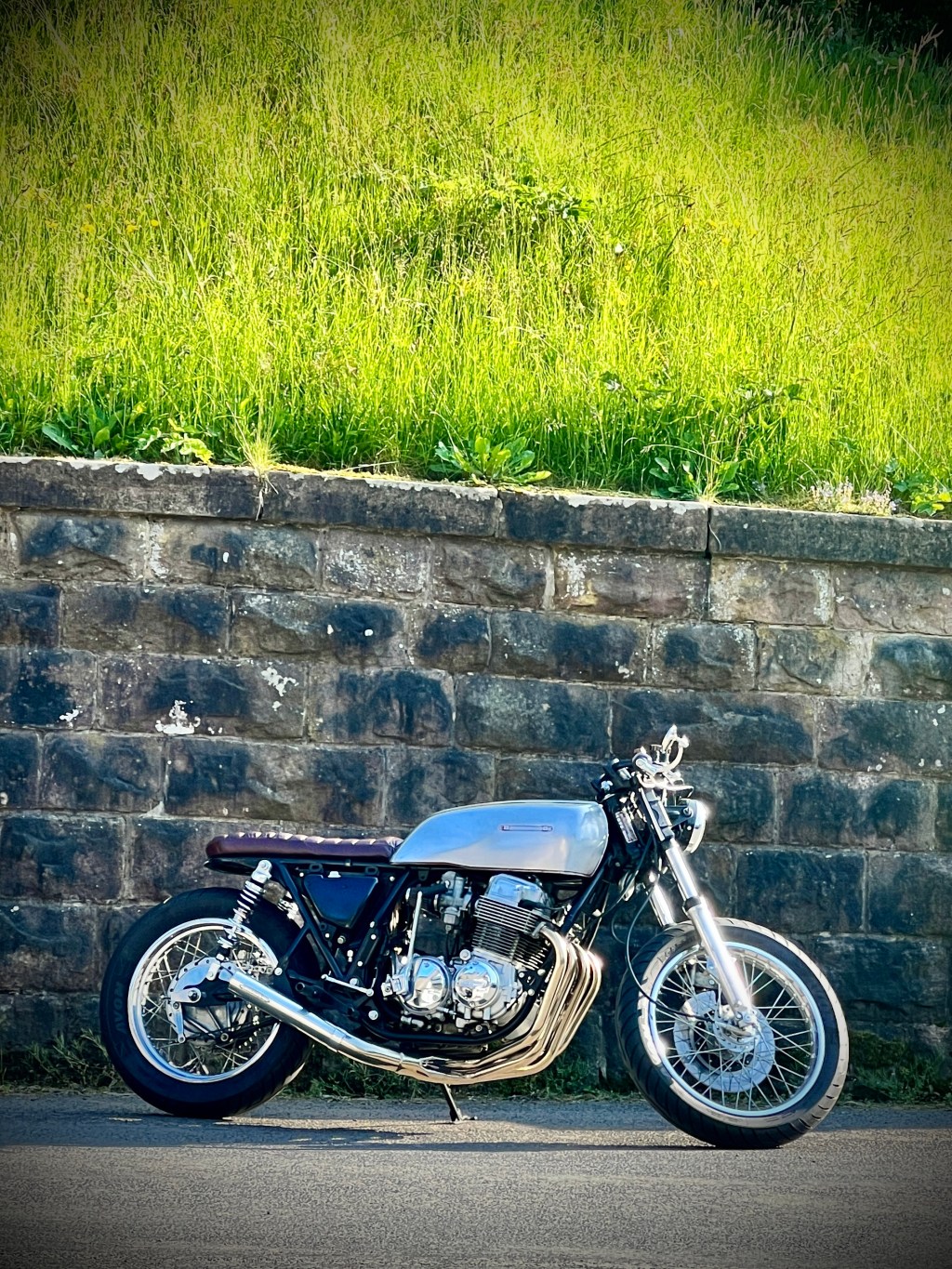
The world of motorcycles is a diverse and exciting one, filled with many enthusiasts who are passionate about customising their bikes to reflect their unique style and preferences. One classic motorcycle that has become a popular canvas for customisation is the Honda CB750. In this blog post, we’ll delve into the journey of transforming my own CB750, a 1978 K8 into a café racer, complete with clubman bars, a super sport tank, Cognito Moto rearsets, YSS shocks, and a touch of fabrication, welding, and electrical work.
The Honda CB750K8: A Classic Canvas
The Honda CB750 is a classic motorcycle known for its robust engine and timeless design. Its reliable four-cylinder powerplant and sturdy frame make it an excellent choice for café racer enthusiasts seeking a blank slate for customisation.
Design Inspiration or Devine Intervention
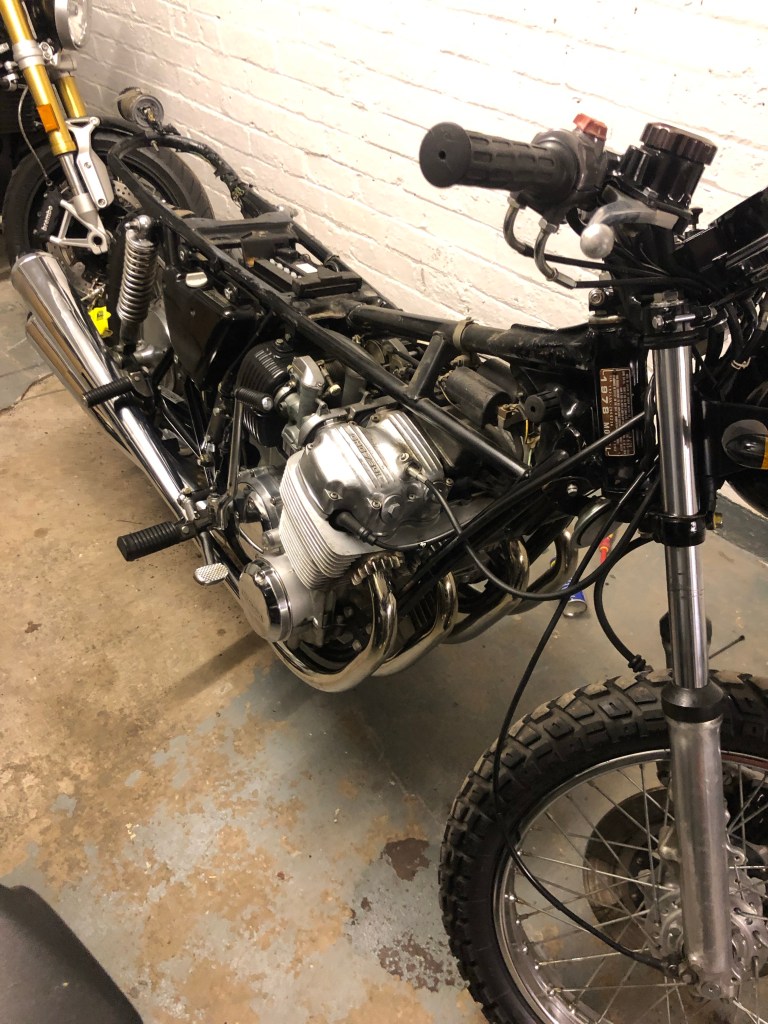
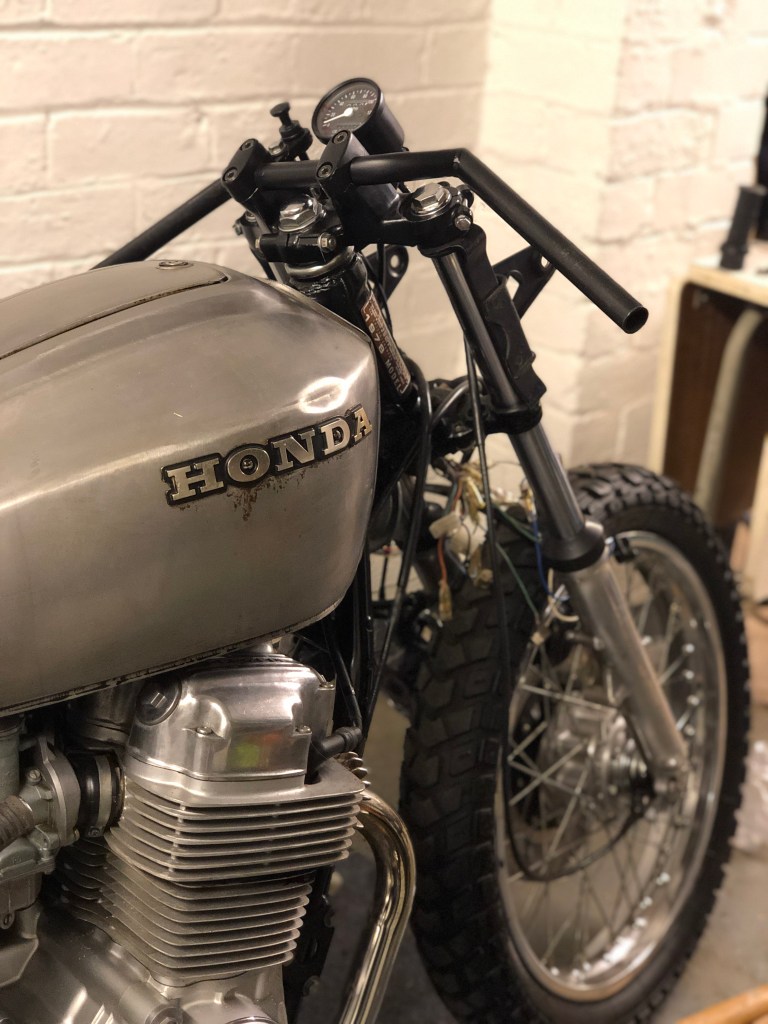
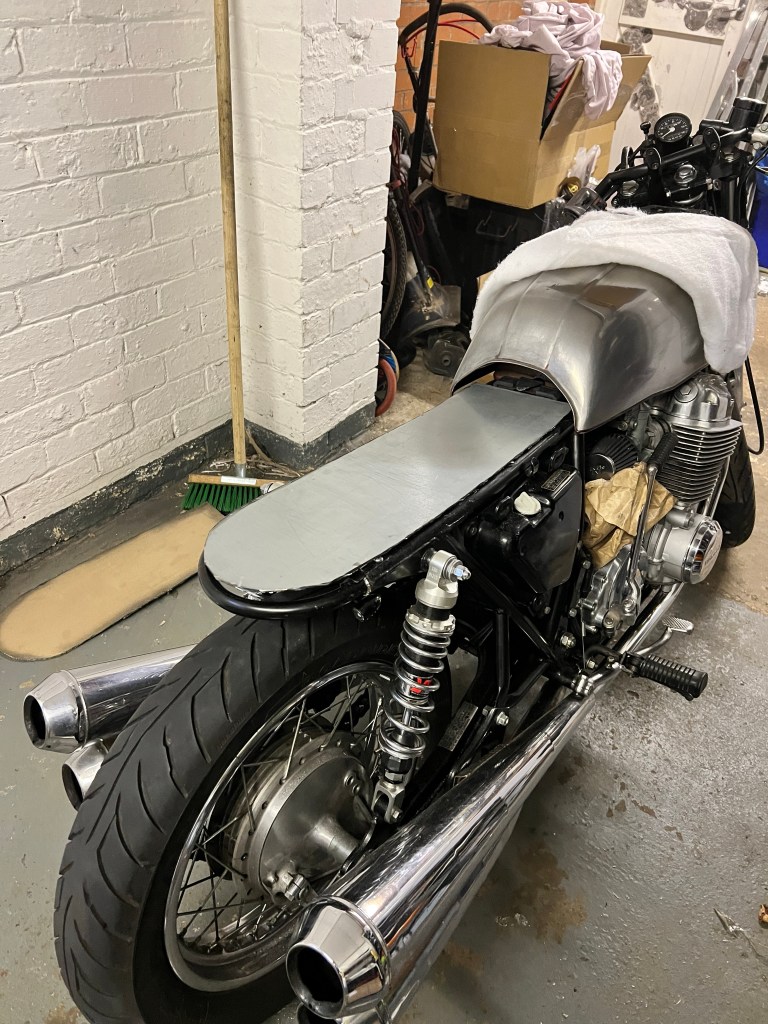
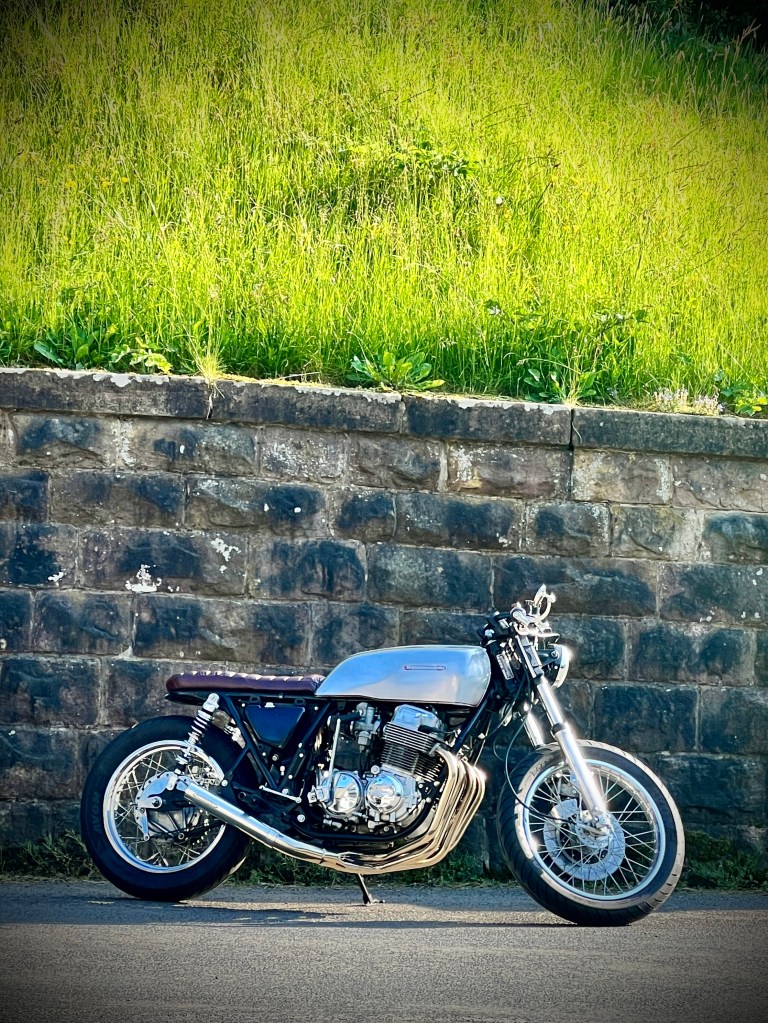
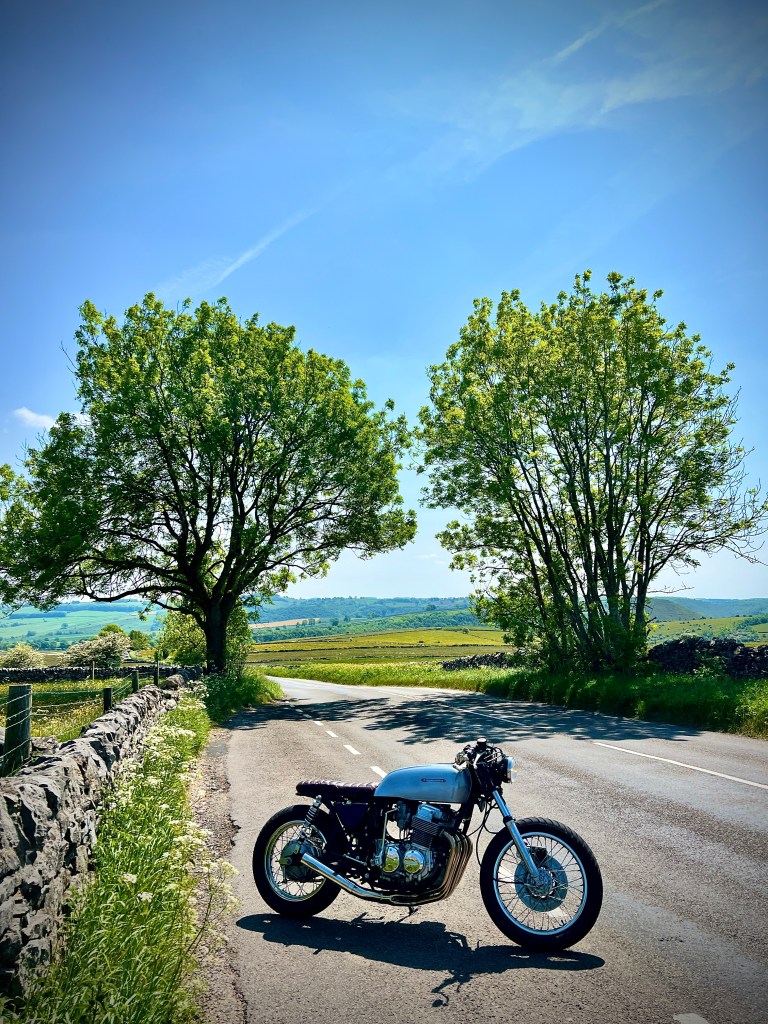
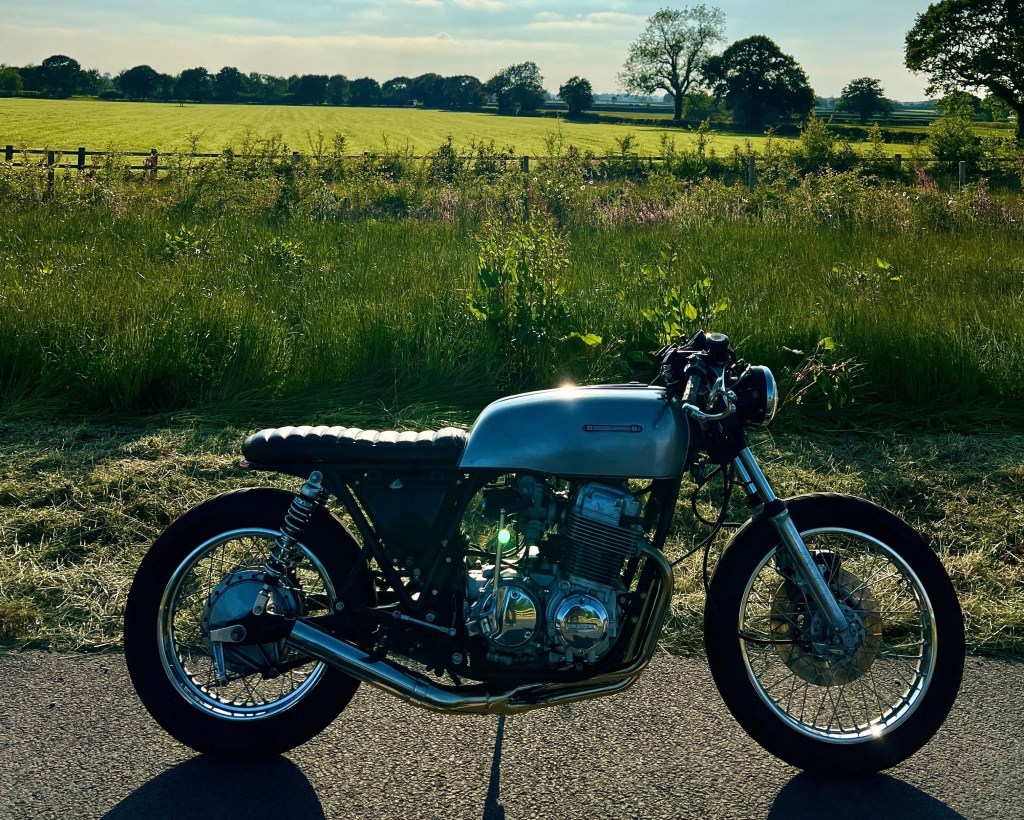
Before diving into the project such as this, it’s essential to have a clear vision of the café racer style you want to achieve. This often involves sleek lines, a minimalist aesthetic, and a focus on performance. In my case, I knew I wanted dropped bars, I chose a set of clubman bars rather than clip-ons. I also went for a slimmer super sport tank from a 1976 CB750, especially as my CB came as standard with an oversized tank for touring. The sleeker lines and sportier riding position offered by lowering the bars were chosen to give the bike that distinctive café racer look.
Upgrading the Riding Experience
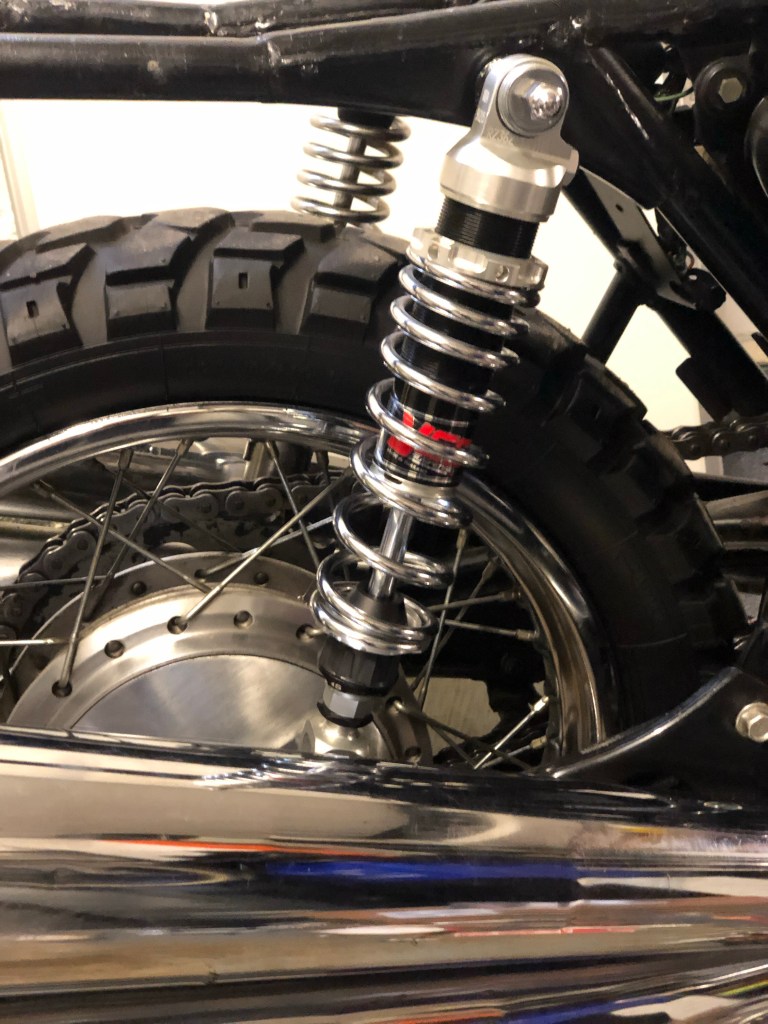
To enhance the performance and handling of the CB750K8, upgrades like Cognito Moto rearsets and YSS shocks were incorporated. These modifications not only improve the bike’s ride quality and footpeg position but also contribute to the overall café racer aesthetic.
Fabrication and Welding
Customising a motorcycle often requires some degree of fabrication and welding. In this project, certain parts needed to be modified or fabricated from scratch to fit the new design. Skilled craftsmanship is essential to ensure both functionality and aesthetics; however, one thing I am not, is a skilled craftsman. So I enlisted the help of some local fabricators and welders to help me out, but still tried to do as much as I could myself. Let’s just say I’m now an expert hacker with a grinder. I’ve also used lots of bits and bobs laying around my garage to make brackets and spacers.
Electrical Work
Working on the electrical system of a vintage motorcycle can be challenging but rewarding. I got myself a manual for the bike which of course incorporates a wiring diagram. This helped in most cases but there was also a lot of trial and error.
It’s important to ensure that the wiring is in top condition and that any modifications are safely integrated into the existing electrical setup. Despite the age of the bike, and the fact it is exempt from the UK MOT Test, it was still vital to ensure proper lighting, and other electrical components worked correctly as these are crucial for both safety and legality.
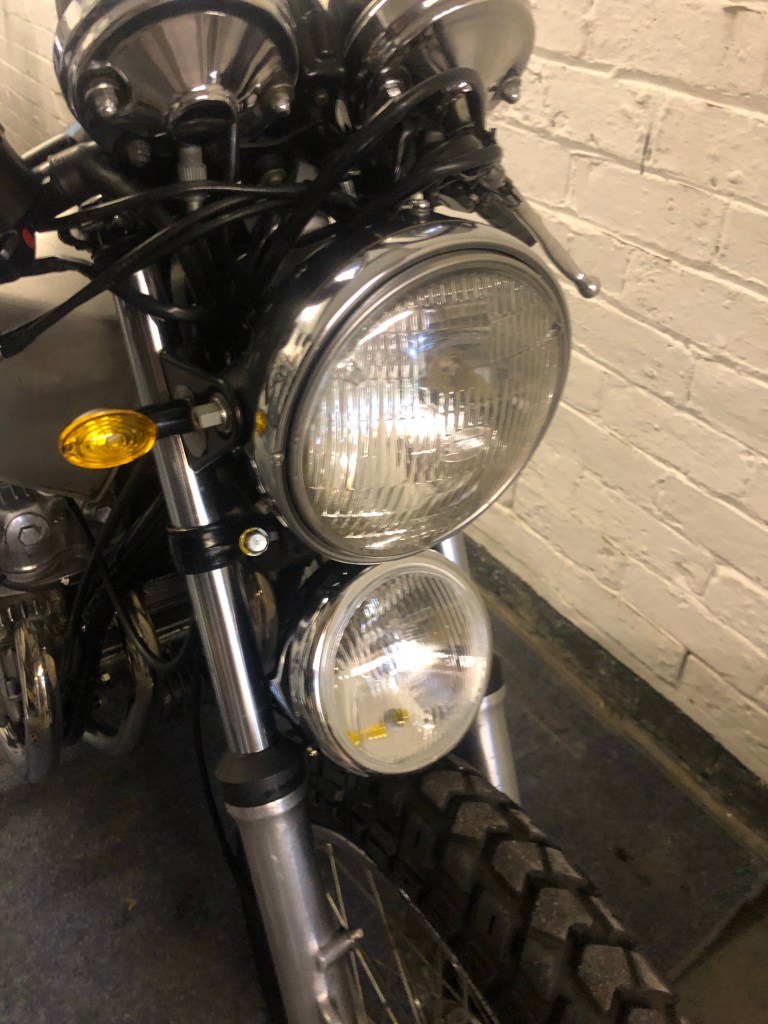
I invested in period correct, yet smaller headlight and hid much of the operational wiring in the headlight housing.
The Café Racer Ethos
Café racers are not just about looks; they’re about the riding experience. The minimalist design and performance-oriented upgrades should come together to create a bike that’s a joy to ride. Tuning the engine for optimal performance and fine-tuning the suspension are key steps in achieving this.
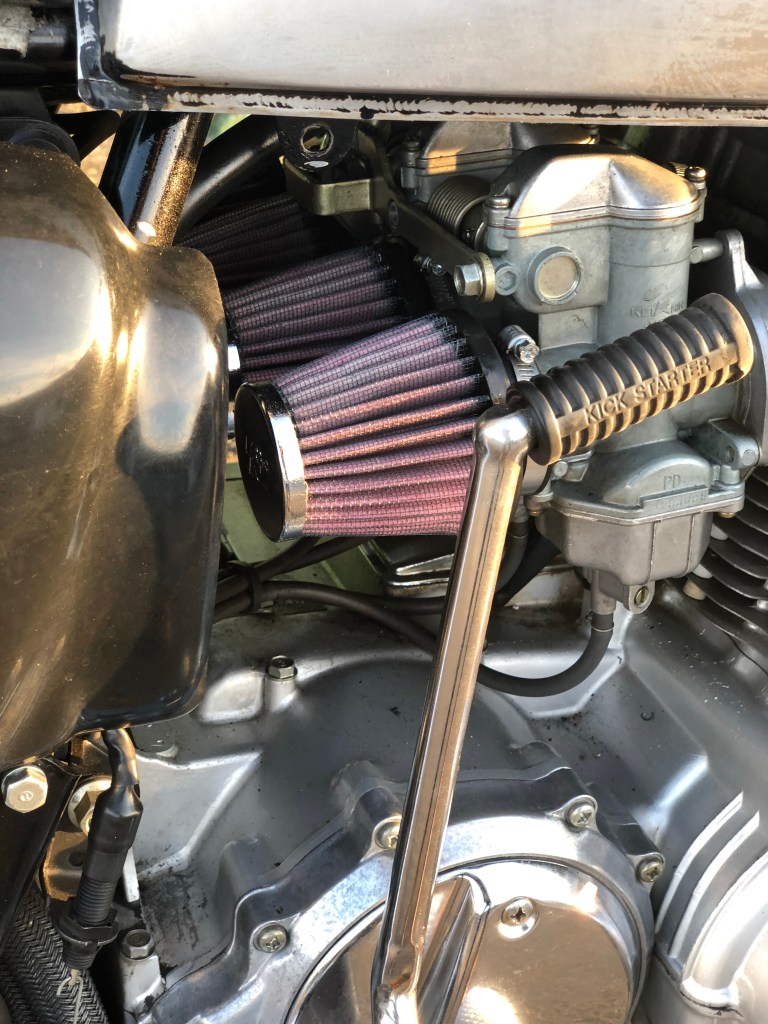
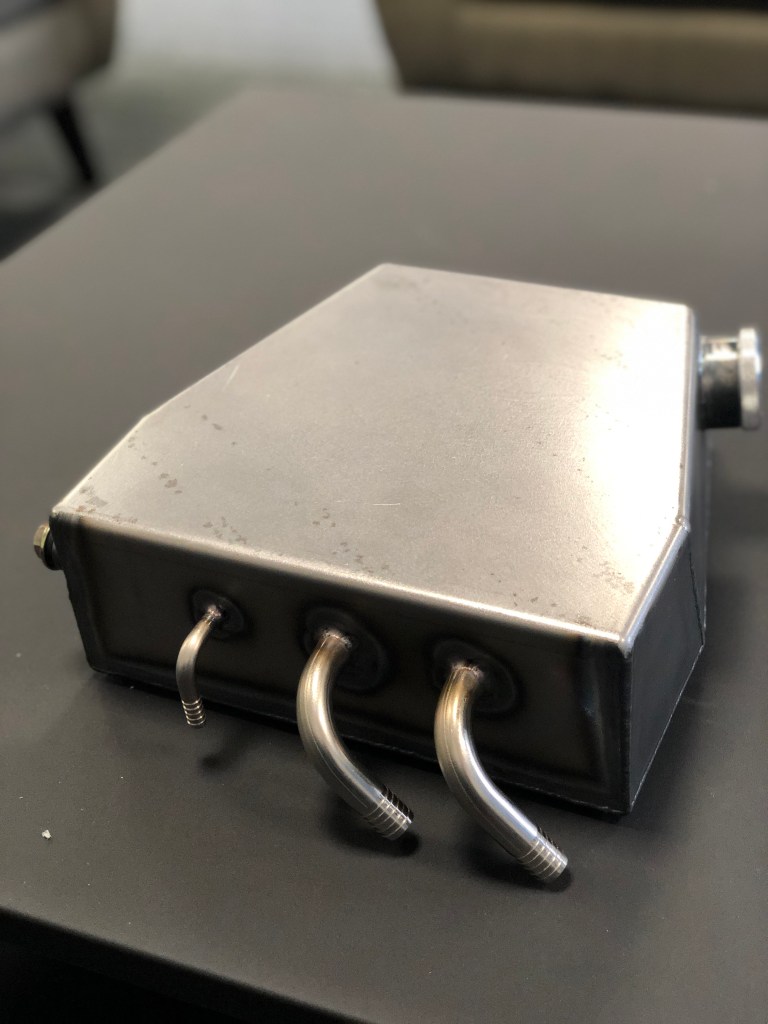
I removed to ugly airbox and added K&N pod air filters. I later found that I needed to fabricate a bracket to hold the carbs in place as the omission of the airbox compromised the robustness of the air intake set up.


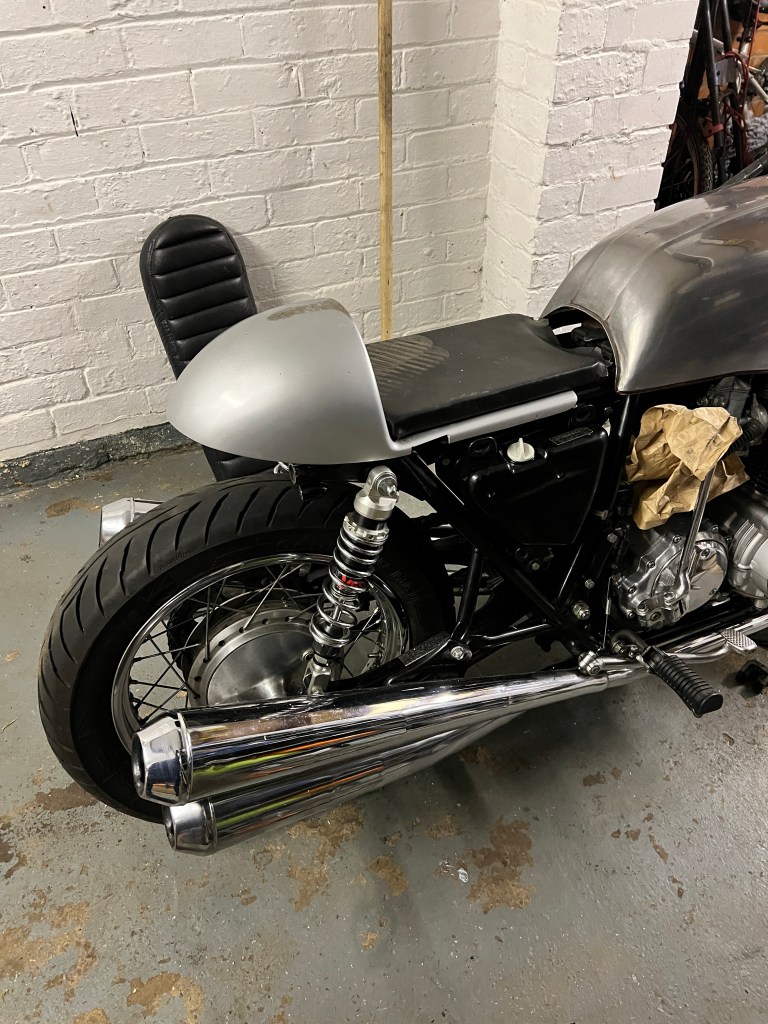
The Not So Finished Product
After countless hours of work, my CB750K8 is at a point where it is road legal and rideable. The clubman bars, super sport tank, Cognito Moto rearsets, YSS shocks, and the craftsmanship that went into it so far all combine to create a unique and I hope stunning motorcycle that’s a testament to my dedication and passion.
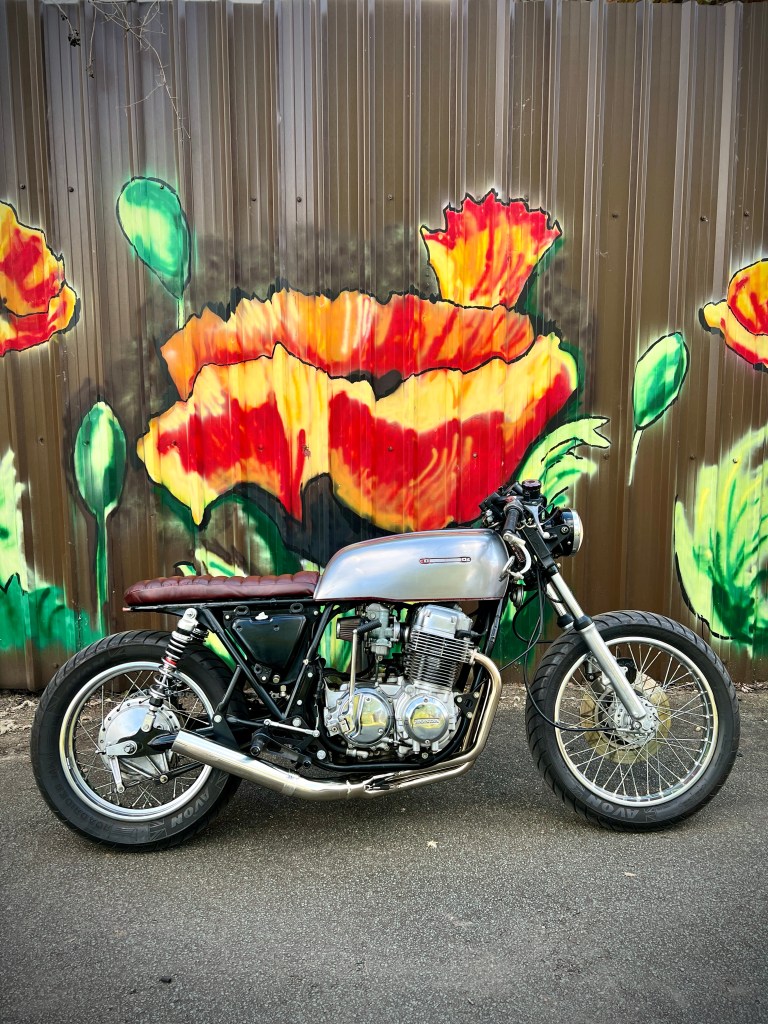
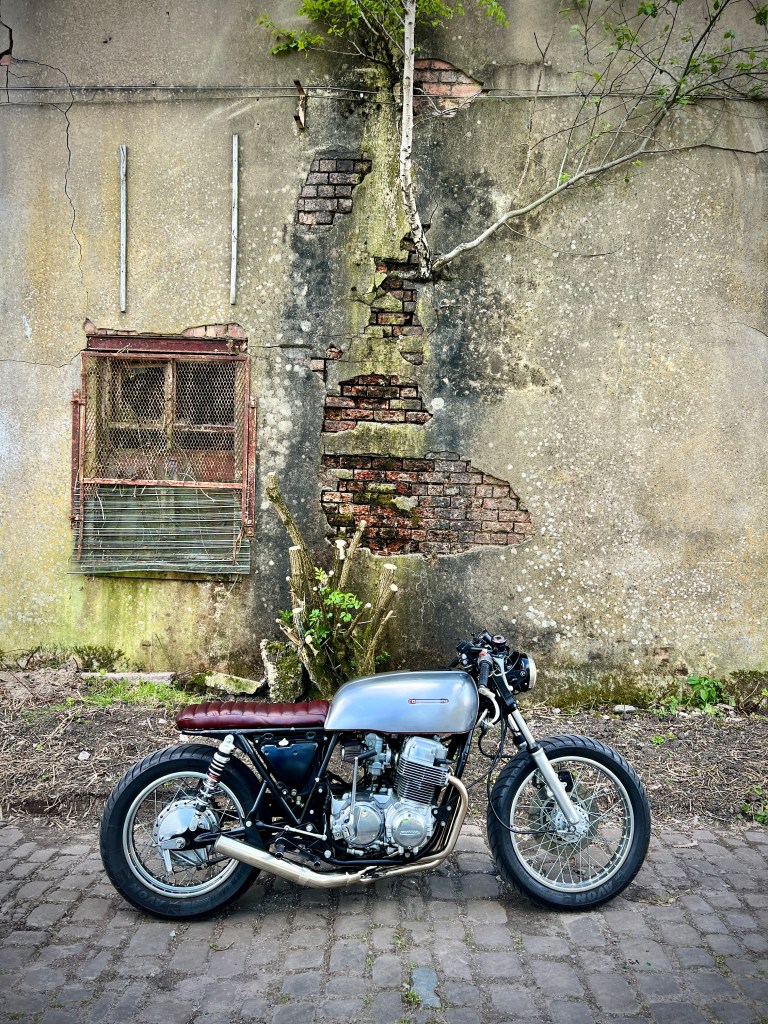
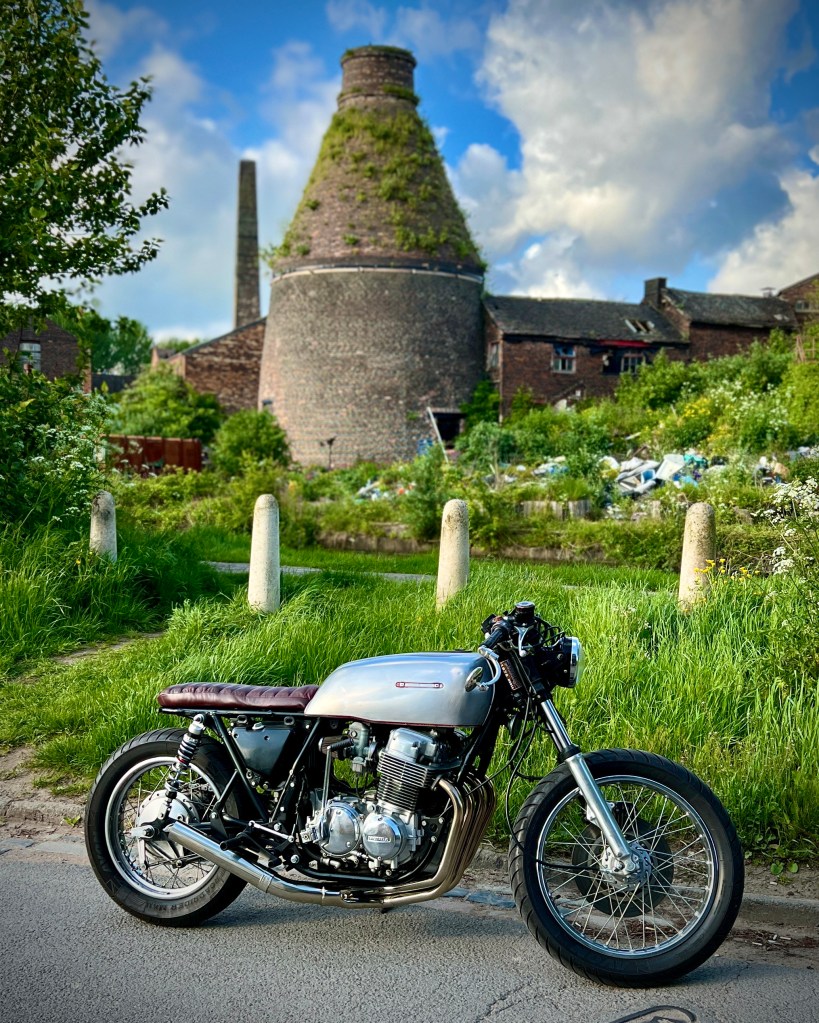
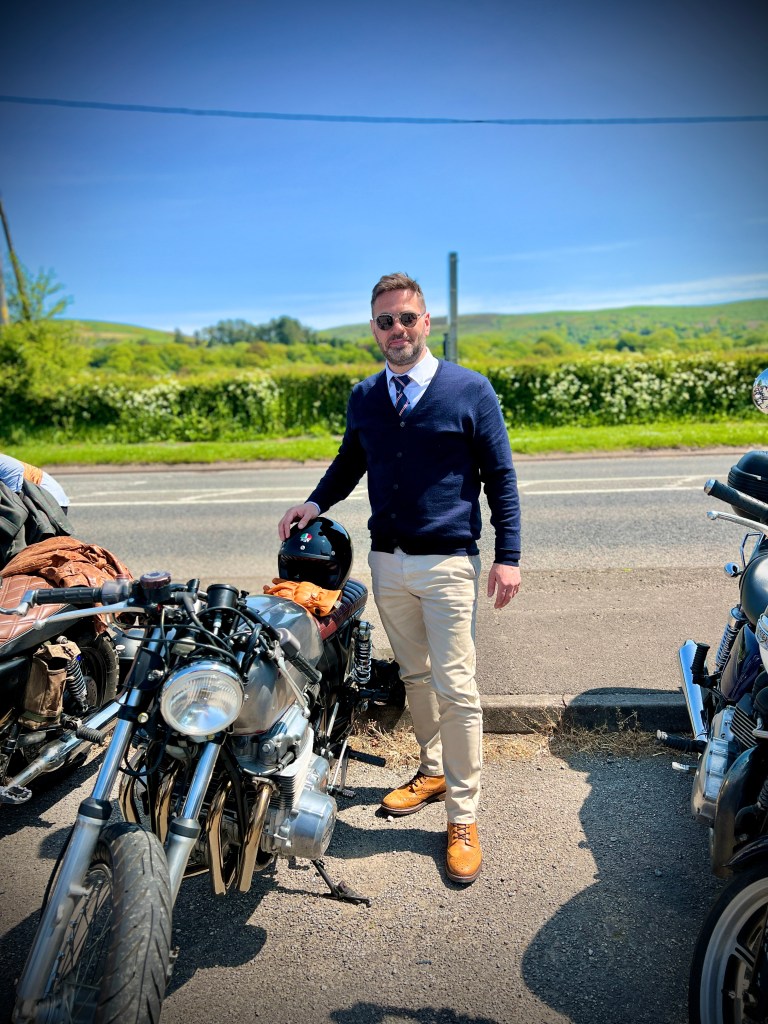
Conclusion: Building a café racer from a classic motorcycle like the 1978 Honda CB750K8 is a labor of love that combines engineering, artistry, and a deep appreciation for two-wheeled machines. The end result is not just a bike but a project that pays homage to the timeless café racer ethos of yesteryear. It’s a project that brings together the past and the present, resulting in a ride that’s both nostalgic and exhilarating. So, if you’re considering a similar project, don your welding mask, grab your tools, and start your journey towards creating your own café racer masterpiece, you won’t regret it.
As for my cafe racer project, let’s just say it’s just the start and to be realistic there may never be a finish.


 KILN MOTO
Leave a comment